Top 5 Tips for Choosing the Best Unmanned Aircraft?
The unmanned aircraft industry is experiencing significant growth. According to a report by the Federal Aviation Administration (FAA), the number of registered drones in the U.S. is projected to exceed 2.5 million by 2025. This rising prevalence highlights the importance of choosing the right unmanned aircraft for various applications. Industry expert Dr. Emily Carter states, "Selecting the best unmanned aircraft requires understanding specific operational needs and technical capabilities."
Choosing an unmanned aircraft is not merely about price or brand. It involves an understanding of technological trends, regulatory standards, and specific user requirements. With advancements in drone technology, the options can be overwhelming. Each model offers different functionalities and performance metrics, making it vital for users to assess their unique needs carefully. A study by the Association for Unmanned Vehicle Systems International (AUVSI) revealed that over 70% of operators find it challenging to navigate product specifications effectively.
In this landscape, critical reflection on the potential limitations of chosen aircraft is essential. A drone that excels in one area, such as camera quality, might fall short in battery life or payload capacity. Balancing these factors is crucial to ensure that the selected unmanned aircraft meets operational goals and delivers optimal performance.
Understanding the Different Types of Unmanned Aircraft and Their Uses
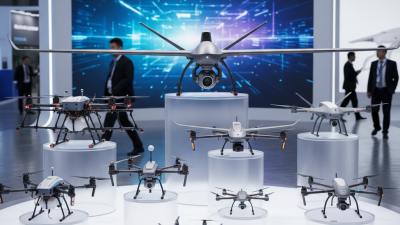
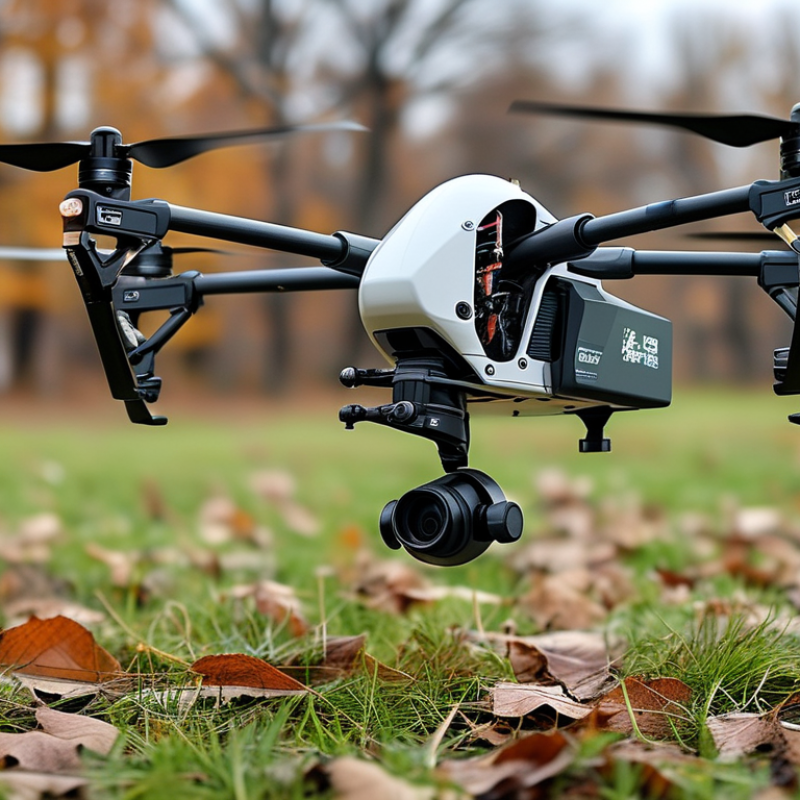
When selecting the best unmanned aircraft, understanding the different types and their uses is crucial. Drones can vary from fixed-wing models, ideal for long distances, to multi-rotor types, perfect for vertical takeoff. For mapping, fixed wings excel, offering stability over large areas. In contrast, multi-rotors shine in photography, allowing intricate movements.
Consider your primary use case before making a decision. For agricultural monitoring, a drone with multispectral cameras provides precise insights. For surveillance or security, look for drones equipped with thermal imaging. Investing time in research will pay off.
Also, evaluate battery life and range. A drone with a limited flight time may not meet your needs. It's common for novice users to overlook this factor, leading to frustration during use. Always check reviews and user feedback to gauge performance over time. Seek out forums or expert blogs for reliable information.
Top 5 Tips for Choosing the Best Unmanned Aircraft
| Type of Unmanned Aircraft |
Typical Uses |
Flight Time (minutes) |
Range (km) |
Payload Capacity (kg) |
| Multi-Rotor |
Photography, Videography, Surveillance |
20-30 |
2-5 |
0.5-2 |
| Fixed-Wing |
Mapping, Agriculture, Long-Range Surveillance |
60-120 |
10-100 |
3-20 |
| VTOL (Vertical Take-Off and Landing) |
Search and Rescue, Infrastructure Inspection |
30-60 |
5-20 |
2-10 |
| Nano Drones |
Hobby, Indoor Exploration |
5-10 |
0.1-0.5 |
0.1-0.5 |
| Delivery Drones |
Package Delivery, Logistics |
30-60 |
5-25 |
1-5 |
Evaluating Payload Capacity: Key for Your Unmanned Aircraft Selection
When selecting an unmanned aircraft, payload capacity should be a primary consideration. It determines what equipment can be carried. According to a report by the Association for Unmanned Vehicle Systems International (AUVSI), 48% of operators cite payload limitations as a major factor impacting mission success. Thus, understanding your payload needs is critical.
Different missions require various payloads. For example, agriculture drones often carry sensors for crop monitoring, while surveying drones may need heavier cameras. If a drone can only support 2 kg, it may fall short for specific tasks. Research indicates that drones with higher payload capacities can enhance operational efficiency by 30% in many commercial applications. However, not every model excels in this area.
Evaluating actual performance against specifications is essential. Some drones may claim high payload capacities but underperform in real-world scenarios. Users should review case studies, paying attention to data reliability. Engaging with communities and forums can provide insights into real operational experiences. Reflecting on these findings can guide better choices. Adapting to specific needs will ensure your unmanned aircraft serves its purpose effectively.
Assessing Flight Range and Endurance for Optimal Performance
When selecting an unmanned aircraft, assessing flight range and endurance is crucial. A report by the Federal Aviation Administration (FAA) indicates that drones with longer flight ranges can cover more extensive areas. For instance, fixed-wing drones can achieve ranges exceeding 100 miles, while multi-rotor designs typically offer 3 to 10 miles. This disparity impacts performance in various applications, such as agriculture and search-and-rescue missions.
Endurance is another key factor in drone selection. According to industry studies, many drones can fly for 30 minutes to 4 hours per charge. This variance often comes down to design and intended use. While a longer battery life benefits aerial surveying, frequent recharging might hinder time-sensitive tasks. Enthusiasts often overlook the trade-off: longer flight times may reduce payload capacity. Thus, finding the right balance between endurance and capacity requires careful consideration.
Understanding these details helps operators make informed decisions. Look for detailed specifications and user feedback for realistic performance expectations. Flight conditions, weather, and payload can drastically affect actual flight range and endurance. Evaluating these elements is essential for achieving optimal performance in any unmanned aircraft.
Key Features to Look for in Unmanned Aircraft Technology and Design
When selecting unmanned aircraft, focusing on key features is essential. A recent industry report highlighted that nearly 70% of users prioritize payload capacity. This capacity directly impacts the aircraft's ability to carry cameras, sensors, or other equipment. Often, higher payloads lead to better data collection and improved operational efficiency.
Battery life is another critical aspect. According to industry data, many drones only have a flight time of about 20-30 minutes. Longer flight durations are a notable advantage, especially for surveying large areas. Consider aircraft with energy-efficient designs. This can provide substantial operational benefits.
User interface and ease of operation also play vital roles. A complex control system may deter potential users. Studies show that systems that offer intuitive design significantly reduce the learning curve. Making drones accessible for both hobbyists and professionals enhances market reach. There is still room for improvement in user training and interface design. Balancing technology with user experience remains a key challenge in the industry.
Analyzing Cost vs. Value: Budgeting for Your Unmanned Aircraft Investment
When considering an unmanned aircraft, budgeting is crucial. Often, the initial cost can be misleading. Look beyond the price tag. Think about reliability and performance. A cheaper option may lack features that ensure safety and efficiency.
Tip: Assess your specific needs before making a decision. Consider factors like payload capacity and range. A drone designed for survey work may differ significantly from one suited for aerial photography. Exploring these differences can save you money in the long run.
The value of maintenance and support also matters. Some manufacturers offer extensive warranties and customer service. This support can be vital for troubleshooting and repairs. Investing in an aircraft with strong support can lead to fewer headaches later on.
Tip: Don’t forget about operational costs. Batteries, software updates, and training add up. Research these ongoing expenses to compare the total cost over time effectively. Balancing cost with long-term value is key to your investment.