What is Unmanned Aircraft and How Does It Work?
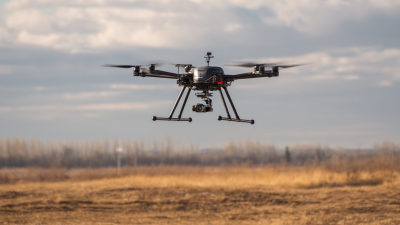
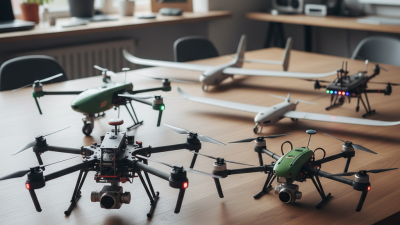
Unmanned Aircraft, commonly known as drones, have revolutionized various industries. These flying machines operate without human pilots on board. They can be controlled remotely or fly autonomously through a preprogrammed flight plan. The technology behind unmanned aircraft has evolved rapidly. Today, drones are used in fields like photography, agriculture, and delivery services.
The appeal of unmanned aircraft lies in their versatility. They can reach places where humans cannot. For example, they can survey large agricultural fields quickly. Some can even deliver medical supplies to rural areas. However, the rise of UAVs also raises questions. What are the implications for privacy and security? Concerns exist about how these devices may be misused.
Understanding how unmanned aircraft work is essential in addressing these challenges. It involves analyzing their components and control systems. Each drone consists of sensors, cameras, and sophisticated software. Balancing innovation and safety will be crucial as we navigate the future of unmanned flight.
What Are Unmanned Aircraft? A Definition and Overview
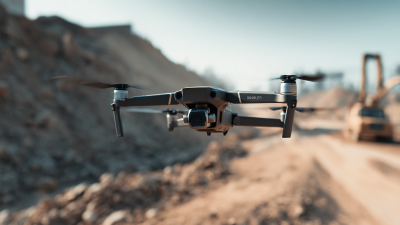
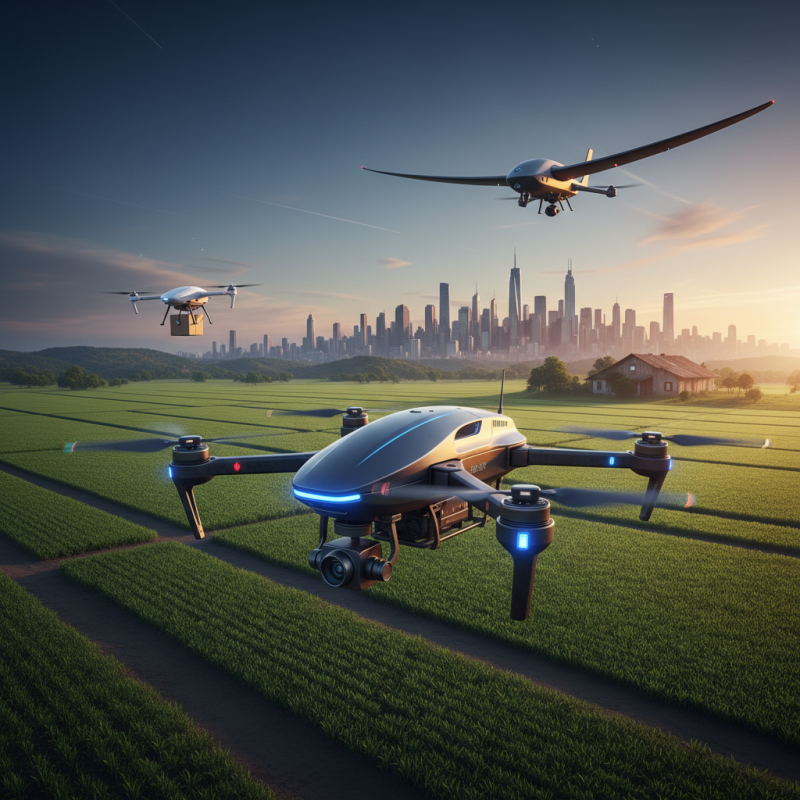
Unmanned aircraft, often referred to as drones, are aircraft without a pilot onboard. They can be remotely operated or fly autonomously using pre-programmed plans. This technology has rapidly advanced in recent years. Drones are commonly used in various fields like photography, agriculture, and surveillance.
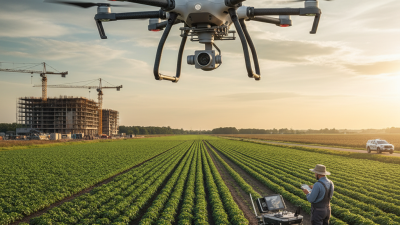
In the realm of agriculture, unmanned aircraft help monitor crop health. They capture images with sensors and provide valuable data. This data can identify plant diseases early. However, not all farmers fully understand how to interpret drone data. Training is crucial for effective use.
Tip: Consider attending local workshops to learn about unmanned aircraft technology.
Another area of interest is drone deliveries. Some companies are experimenting with using drones to deliver packages. While the concept is exciting, there are logistical challenges. Airspace regulations and safety concerns must be addressed. Many people are unsure about the safety of drones in urban areas.
Tip: Research local laws regarding drone use before launching your own.
Unmanned Aircraft Usage Statistics (2023)
This bar chart illustrates the number of unmanned aircraft missions across various sectors in 2023. As seen, agriculture leads the usage statistics, followed by delivery and photography. This highlights the versatile applications of unmanned aircraft technology in different industries.
Types of Unmanned Aircraft: Drones, UAVs, and More
Unmanned aircraft have gained popularity in various fields. Drones and UAVs dominate this sector. Many people think they are the same, but there are differences. Drones often refer to consumer-friendly models. UAVs are usually for military or commercial uses.
Research shows the global drone market was valued at $22.5 billion in 2020. It is projected to reach $42.8 billion by 2025. Commercial applications drive this growth. Agriculture, surveillance, and delivery services utilize these technologies.
However, challenges remain for unmanned aircraft. Privacy concerns arise with increased surveillance capabilities. Regulations are constantly evolving. Many users struggle to navigate these rules. Additionally, technological limitations still exist. Battery life and flight time need improvement for better efficiency. Operators must consider these factors for responsible usage.
Key Components of Unmanned Aircraft: Sensors, Propulsion, and Control Systems
Unmanned aircraft, commonly known as drones, rely on three key components: sensors, propulsion, and control systems. Sensors are critical. They gather data about the environment, helping the drone navigate and perform tasks. Common sensors include cameras, GPS, and altimeters. Each sensor has its strengths but may not provide a full picture. For instance, a camera can capture images, yet it doesn't measure distance accurately.
Propulsion systems are equally important. They power the drone and determine its speed and agility. Most use electric motors, but some may utilize combustion engines. The choice of propulsion affects flight time and flexibility. However, battery life remains a challenge. Many users find their drones drained mid-mission. That's a common issue requiring careful planning.
Control systems manage the drone's movements and stability. They consist of hardware and software that process sensor data. A sophisticated control system can adapt to changing conditions. Yet, even advanced systems face limitations. Weather factors, like high winds, can disrupt the flight. Users must remain aware of these challenges to operate drones effectively. Understanding these components deepens awareness of unmanned aircraft capabilities and limitations.
What is Unmanned Aircraft and How Does It Work? - Key Components of Unmanned Aircraft
| Component |
Description |
Function |
| Sensors |
Devices that detect and gather information from the environment. |
Enable navigation, obstacle avoidance, and data collection. |
| Propulsion System |
Includes engines and rotors that provide thrust and control movement. |
Power the aircraft and enable flight maneuvers. |
| Control Systems |
Hardware and software that manage flight operations and navigation. |
Ensure stable flight and respond to pilot commands or autonomous algorithms. |
| Communication Systems |
Facilitate data transmission between the aircraft and ground control. |
Transmit flight data, commands, and video feed. |
| Power Supply |
Batteries or fuel systems that power the aircraft. |
Provide energy for all components and systems. |
How Unmanned Aircraft Operate: The Role of Remote Pilots and Automation
Unmanned aircraft, commonly known as drones, rely heavily on the combined efforts of remote pilots and automation. Remote pilots are trained individuals who control the drone from a distance. They input commands and monitor the flight in real-time. However, the technology is not foolproof. Sometimes, pilots face connectivity issues or unexpected weather changes that can complicate operations. Mistakes happen, and the results can be costly.
Automation plays a crucial role in how these aircraft operate. Advanced algorithms assist with navigation and stabilization. Drones can follow predetermined flight paths, allowing for clearer missions. Despite this, automation can lead to over-reliance. Pilots may neglect their duties, trusting the system too much. This becomes a problem when unexpected situations arise, such as an object in the path. Human oversight is still essential.
In practice, the integration of remote pilots and automation can lead to impressive outcomes. However, it is a continuous learning process. Pilots often debrief after missions to identify what went wrong. There is always room for improvement. The balance between human skill and technology is delicate. Understanding this can enhance overall safety and efficiency.
Applications of Unmanned Aircraft: From Military Use to Commercial Services
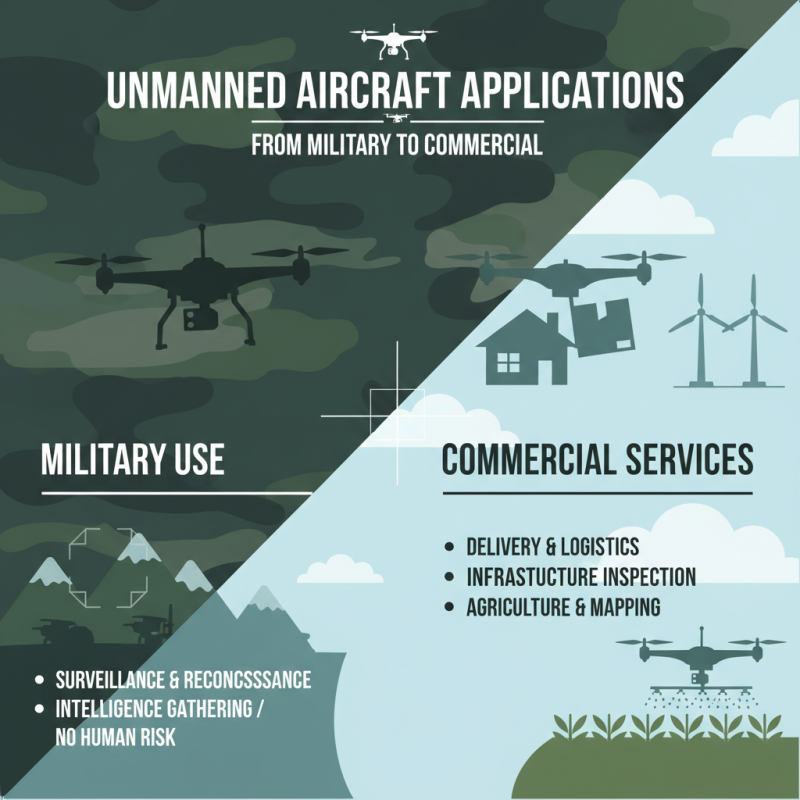
Unmanned aircraft, often known as drones, have revolutionized various sectors. Their applications span from the military to commercial services. In the military, drones are used for surveillance and reconnaissance missions. They gather intelligence without risking human life. These devices can operate in hostile environments, offering a critical edge.
In commercial sectors, unmanned aircraft serve multiple purposes. They are increasingly used in agriculture. Farmers utilize drones for crop monitoring and health assessments. The aerial perspective provides insights that traditional methods miss. Additionally, drones assist in logistics. Companies deploy them to deliver packages quickly and efficiently. However, regulations and safety concerns remain a challenge.
Despite the benefits, the rapid expansion of drones raises questions. How do we ensure safety in crowded airspace? Privacy issues are also significant. People are concerned about surveillance and data collection. As technology evolves, these concerns must be addressed. Balancing innovation with ethical considerations is essential for the future of unmanned aircraft.