What is Unmanned Aircraft and How to Choose the Right One?
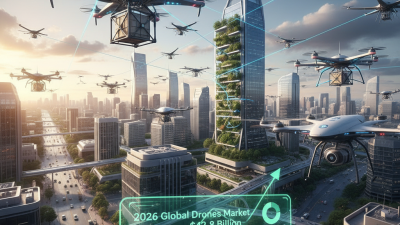
Unmanned Aircraft are revolutionizing both commercial and recreational sectors. In 2022, the global market for unmanned aerial vehicles (UAVs) was valued at approximately $29.8 billion and is expected to reach $58.4 billion by 2026, according to industry reports. This growth reflects the increasing interest in drone technology for various applications, from agriculture to logistics.
Choosing the right unmanned aircraft involves considering several factors. Factors include flight range, payload capacity, and camera quality. According to the Federal Aviation Administration (FAA), the number of registered drones in the U.S. alone surpassed 1.7 million in 2020. This emphasizes the need for potential buyers to understand their specific requirements before making a purchase.
However, the selection process can be overwhelming. Many users often overlook the significance of features like battery life or ease of use. Some may even choose models that don’t fit their needs, leading to dissatisfaction. As the unmanned aircraft industry rapidly evolves, informed decisions become increasingly critical for both safety and performance.
What Are Unmanned Aircraft? A Comprehensive Overview of UAV Technology
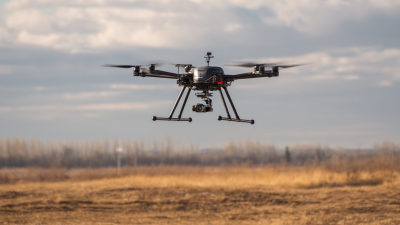
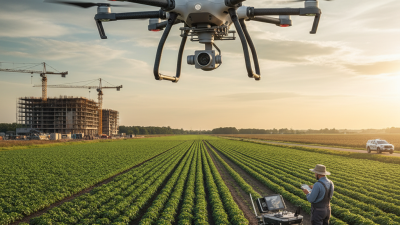
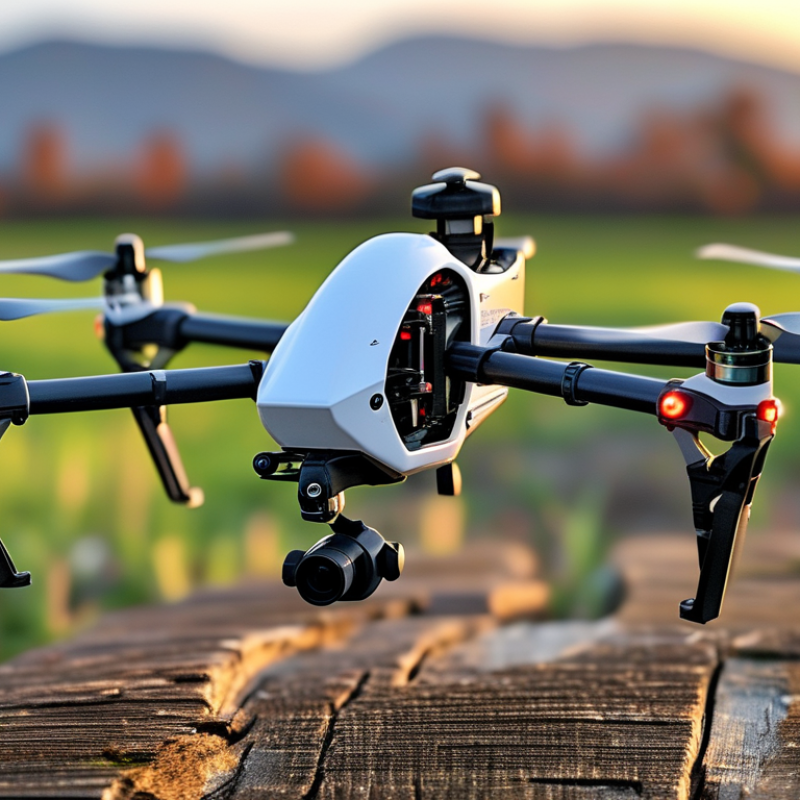
Unmanned aircraft, commonly known as drones, have become increasingly significant in various industries. These aerial vehicles operate without a human pilot onboard. They rely on sophisticated technology that includes sensors, cameras, and GPS for navigation. The versatility of unmanned aircraft allows them to be used in agriculture, surveillance, and delivery services. Users must understand the different types of drones to choose the right one for their needs.
When selecting an unmanned aircraft, users should evaluate specific features. Consider the payload capacity, battery life, and range. Durability and weather resistance are also crucial for outdoor operations. Some drones offer advanced capabilities, such as automatic flight modes and obstacle avoidance. These features enhance safety and ease of use. However, more sophisticated models can be complicated and may require technical expertise.
The market is constantly evolving, and staying updated is vital. New technologies emerge regularly, and it can be overwhelming. Users can feel pressured to keep pace with innovations. Balancing budget with quality is also challenging. Some inexpensive models might lack reliability, while premium versions can go beyond budget constraints. Choosing the right unmanned aircraft requires continuous learning and careful consideration of personal or organizational needs.
Types of Unmanned Aircraft: Drones, Aerial Vehicles, and Their Uses
Unmanned aircraft, commonly known as drones, have transformed various industries. These aircraft come in several types, including quadcopters and fixed-wing models. Each type serves distinct purposes and has its own advantages. Drones are widely used in photography, agriculture, and environmental monitoring. Aerial vehicles, such as unmanned aerial vehicles (UAVs), also perform tasks in logistics and search and rescue operations.
When selecting an unmanned aircraft, it's vital to consider its intended use. For instance, a quadcopter is ideal for aerial photography due to its maneuverability and ability to hover. Conversely, fixed-wing drones can cover larger areas efficiently, making them suitable for agricultural monitoring. The choice also depends on payload capacity and battery life.
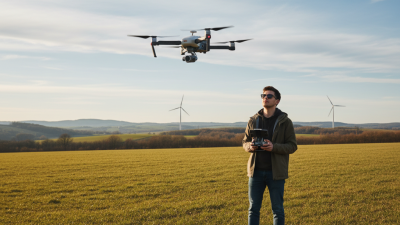
While the technology is impressive, users often overlook factors like regulatory restrictions. It’s crucial to understand local laws governing drone use. Furthermore, user experience can vary significantly. Some operators may find flying drones challenging at first. Practice is necessary to master flying skills. Each choice you make impacts your operational efficiency and compliance with regulations.
What is Unmanned Aircraft and How to Choose the Right One?
| Type of Unmanned Aircraft |
Common Uses |
Flight Time |
Range |
Camera Resolution |
| Quadcopter |
Photography, Surveying |
25-30 minutes |
1-5 km |
1080p - 4K |
| Fixed-Wing UAV |
Agriculture, Mapping |
60-90 minutes |
10-100 km |
720p - 1080p |
| HJVT (Hybrid UAV) |
Delivery, Search and Rescue |
40-50 minutes |
5-15 km |
4K - 8K |
| Nano Drone |
Indoor Racing, Hobbyist |
5-10 minutes |
500 m - 1 km |
480p - 720p |
Key Factors to Consider When Choosing an Unmanned Aircraft
Choosing the right unmanned aircraft is not a trivial task. Several factors come into play. One essential aspect is the purpose of the aircraft. Are you using it for recreation, surveying, or agricultural purposes? Each application demands different features and specifications.
Battery life is another critical consideration. A longer flight time allows for more extensive data collection without constant recharging. Additionally, look for cameras with high-resolution capabilities if your needs involve aerial photography. Weight and portability also matter. A lighter aircraft is easier to transport but may sacrifice some stability during flight.
You should also consider the learning curve. Some models are user-friendly, while others require advanced skills. If you're a beginner, opt for simpler models with good training resources. Reflect on the available support. Reliable manufacturers often provide better customer service and tutorials. Your choice will ultimately depend on your specific needs and budget.
Market Trends: The Growth of the Global UAV Industry by 2025
The global UAV industry is set to experience significant growth by 2025. Analysts predict that various sectors, including agriculture and surveillance, will increase their reliance on unmanned aircraft. These changes could reshape many operational strategies. As this technology evolves, demand for drones is soaring.
Investments in drone technology are expanding rapidly. Many new applications are being developed. For instance, companies are using UAVs for precision farming. This method can improve crop yield while reducing costs. The increased efficiency brings about new challenges. Not all areas are well-regulated, which can lead to misuse or safety issues.
Consumer preferences are also changing. Users seek a balance of reliability and functionality. Many look for features like battery life, range, and camera quality. However, not all models meet their expectations. Potential buyers need to do thorough research. Understanding their specific needs can lead to better decisions. As the UAV market grows, staying informed will become increasingly important.
Regulatory Considerations: Navigating Airspace Laws for UAV Operations
Navigating airspace laws for UAV operations is crucial for any drone enthusiast. Knowing the regulations can save time and money. Local laws are different and can be complex. Some areas have restrictions on where UAVs can fly. This makes it essential to read the local guidelines. Are you aware of no-fly zones near you?
Altitude limits and airspace classifications also play a huge role. Commercial flights and private air traffic can impact where drones operate. Understanding these factors helps avoid potential legal issues. Some drone operators may overlook these regulations, risking fines or legal actions.
Not all states have the same rules. Height restrictions often vary too. Research where you want to fly and ensure compliance. With the rapid growth of UAV technology, regulations may also change. Frequent updates may not reach every user. Staying informed about these changes can prevent misunderstandings.
Drone Usage Regulations by Country (2023)