Exploring the Future of Unmanned Aircraft in 2026?
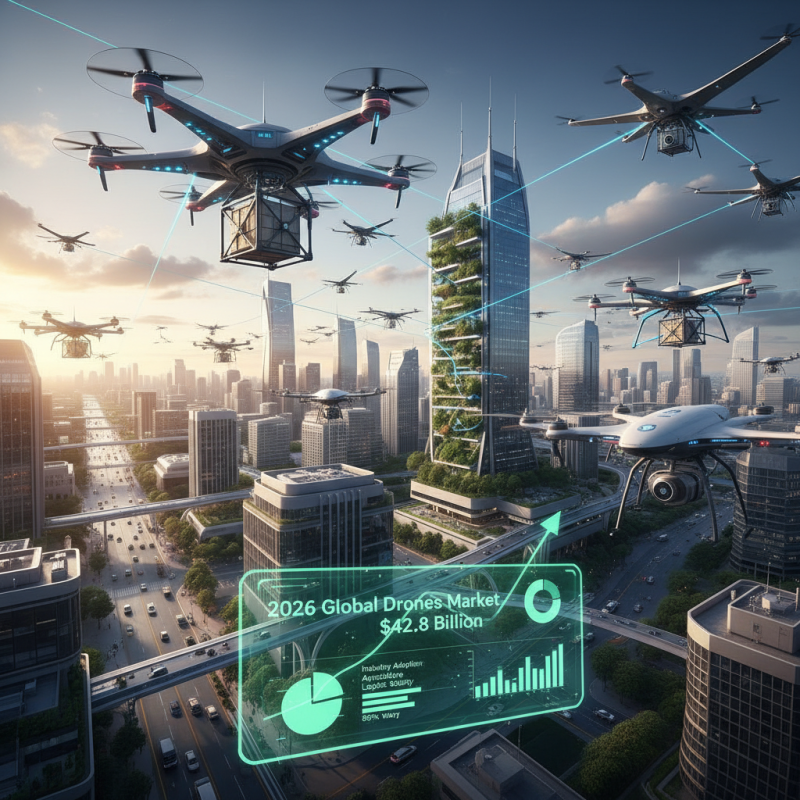
The landscape of Unmanned Aircraft is rapidly evolving. By 2026, it is projected that the global drones market will reach $42.8 billion, reflecting the growing demand across various sectors. Industries such as agriculture, logistics, and public safety are increasingly adopting these innovative aircraft for enhanced efficiency.
Despite the promising advancements, several challenges remain. Regulatory frameworks struggle to keep pace with technology. Safety concerns linger, and public acceptance is crucial for broader integration. Reports indicate that 80% of U.S. citizens are still wary of drones operating in their airspace. Addressing these concerns is vital for the future of Unmanned Aircraft.
As we explore this field, we must consider the balance between innovation and regulation. The potential is enormous, yet the obstacles are significant. Companies must prioritize safety, transparency, and community engagement to build trust and ensure sustainable growth in the unmanned aviation industry.
Technological Advancements Shaping Unmanned Aircraft in 2026
As we look toward 2026, the unmanned aircraft industry is poised for significant transformation. Recent reports predict a growth rate of 15% annually through 2026, driven mainly by advancements in artificial intelligence and automation. These technologies enable more sophisticated navigation systems, allowing drones to operate in urban environments safely. This shift is vital as urban air mobility is gaining traction.
Technological improvements in battery life and propulsion systems have also been notable. Current research indicates that new battery technologies could extend flight times by 30%, expanding operational capabilities for various applications like logistics and emergency services. However, the regulatory landscape still poses challenges. As innovations progress, governments must adapt to ensure safety and privacy.
Tip: Stay updated on regulatory changes in your region. Compliance is crucial for operational success.
The rise of autonomy in unmanned aircraft raises ethical questions. Do we trust these machines completely? The balance between automation and human oversight is still debated. While technology improves, the need for transparency in algorithms remains essential.
Tip: Consider training programs to equip operators with skills for these advanced systems. It’s an investment in safety and efficiency.
Regulatory Developments Impacting Drone Operations and Innovation
In 2026, unmanned aircraft will likely face evolving regulations that shape their operational landscape. As innovation in drone technology accelerates, regulatory bodies will need to adapt. These bodies are crucial for ensuring safety and efficiency in drone operations. Air traffic management for drones becomes essential as more devices take to the skies. This means new laws to integrate drones with manned aircraft safely.
Evolving regulations will impact various industries. For instance, agriculture could see drones used for precision farming. However, compliance with local laws will be essential. Operating in restricted airspace remains a challenge. Drones will need to communicate effectively with ground control to avoid conflicts. Municipalities may impose local regulations that may conflict with national laws. These complexities could hinder innovation.
Moreover, public acceptance is vital for the future of drones. Concerns about privacy and noise pollution can stifle progress. Addressing these issues may require transparent communication from operators. Regulations must strike a balance between fostering innovation and ensuring public safety. Striking this balance will take time and may not be perfect. Continuous feedback will be necessary to create a sustainable operational framework.
Emerging Applications of Unmanned Aircraft Across Various Industries
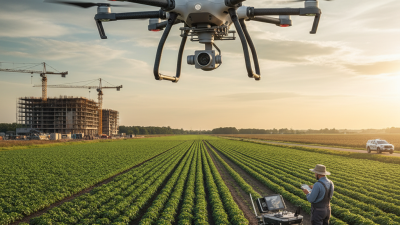
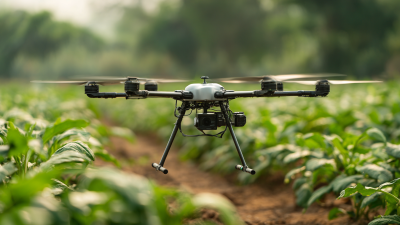
The use of unmanned aircraft is rapidly evolving. By 2026, various industries may harness their potential. Agriculture stands out as a significant area where these technologies can enhance efficiency. Drones can monitor crop health, identify pests, and optimize irrigation systems. This capability helps farmers make informed decisions about their fields.
Furthermore, logistics and delivery services are exploring new possibilities. Unmanned aircraft could significantly reduce delivery times and costs. Imagine receiving packages within minutes, rather than days. However, this presents challenges in safety and regulatory issues. Balancing innovation with community concerns remains crucial.
In the realm of emergency response, unmanned aircraft show promise. They can deliver medical supplies to remote areas quickly. However, questions regarding reliability and infrastructure exist. Investing in research and development can address these gaps. The future holds exciting opportunities, but careful consideration of ethical implications remains essential.
Exploring the Future of Unmanned Aircraft in 2026
This bar chart illustrates the projected applications of unmanned aircraft across various industries by 2026, highlighting their growing significance in logistics, agriculture, surveillance, and emergency services.
Challenges and Opportunities for Unmanned Aircraft in Urban Environments
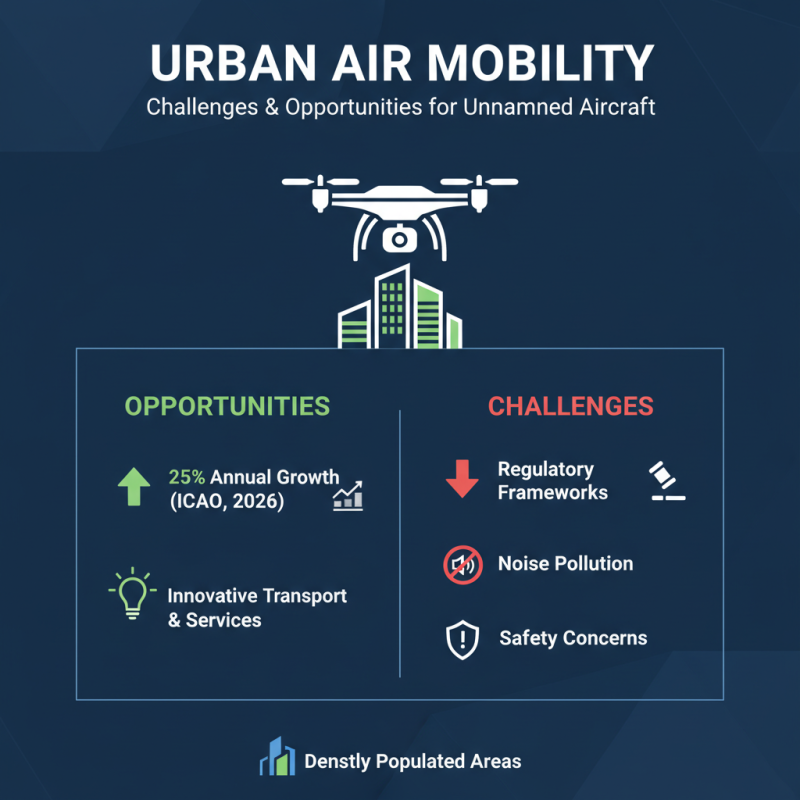
The potential for unmanned aircraft in urban settings is immense but fraught with challenges. According to a recent report by the International Civil Aviation Organization (ICAO), urban air mobility is projected to grow at an annual rate of 25% by 2026. This rapid growth highlights the need for robust regulatory frameworks. Without clear guidelines, integration into existing air traffic systems could lead to chaos. Noise pollution and safety concerns remain significant barriers. Cities are often densely populated, increasing the need for careful planning.
Opportunities exist for autonomous delivery systems and aerial taxis. Drone logistics can reduce traffic congestion and carbon emissions. A study by the Aerospace Industries Association states that using drones for deliveries could result in 25% less traffic in major cities. However, public perception is mixed. Many individuals worry about privacy violations and noise impacts. Addressing these concerns is crucial for acceptance.
Collaboration will be key for success. Stakeholders must include governments, technology developers, and urban planners. Developing infrastructure, like vertiports, demands investment and foresight. Mistakes in planning could hinder future operations, making thoughtful dialogue vital. The path to widespread adoption is not straightforward, and constant reflection on our progress will be necessary.
Future Trends in Autonomous Flight and AI Integration in Drones
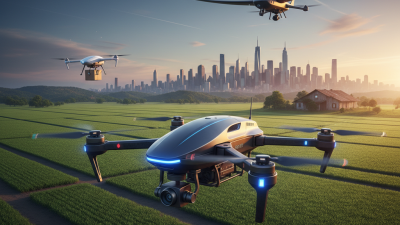
The world of unmanned aircraft is rapidly transforming. In 2026, we can expect drones to operate with advanced autonomous systems. AI integration will allow drones to navigate complex environments with lower chances of collision. Enhanced sensors will provide real-time data, enabling smarter decision-making.
As these technologies advance, challenges will arise. Ethical considerations are critical. How will we govern the airspace? Ensuring safety while maintaining privacy remains a concern. Furthermore, reliance on AI will require continuous monitoring. Complacency could lead to unforeseen issues.
Tips: Regular training for operators is essential. Updates on regulations will help maintain compliance. Developing a robust ethical framework will guide responsible AI integration. Effective communication between stakeholders is necessary for holistic advancement. The journey towards a seamless integration of autonomous flight is filled with learning opportunities. Emphasizing adaptability will ensure progress in this exhilarating field.