Leave Your Message
A Long Endurance Uav Drone is designed to remain airborne for extended periods while collecting reliable information. Unlike short-range aircraft, it prioritizes flight efficiency, energy management, and stable communication. Its value appears in places where continuous observation matters, such as coastline surveys, wildfire assessment, environmental research, and infrastructure inspection.
Endurance depends on more than battery capacity. Engineers consider aircraft weight, propulsion efficiency, weather conditions, payload demands, and launch procedures. A lightweight airframe may conserve energy, while a high-resolution camera can increase consumption. Solar-assisted systems can extend missions, but clouds and seasonal sunlight still create practical limits. The details matter.
The term “long endurance” is not perfectly standardized across manufacturers. Some products advertise many hours, while others define endurance under ideal testing conditions. This difference deserves careful attention. A credible evaluation should examine verified flight data, operating altitude, payload weight, wind conditions, maintenance requirements, and communication reliability. Independent testing and transparent technical documentation provide stronger evidence than marketing claims alone.
Experienced operators also understand that endurance does not guarantee mission success. A drone may stay airborne longer but deliver poor data if its sensors drift, its signal weakens, or its landing process becomes unreliable. Responsible use requires trained personnel, privacy protection, airspace awareness, and compliance with applicable aviation rules. These requirements can reduce operational flexibility, but they protect people and improve trust.
This article explains how Long Endurance Uav Drone systems work, which technologies support their performance, and where their limitations become visible. The goal is practical understanding, not exaggerated promises. Real-world conditions are rarely perfect. That is worth remembering.
What Is a Long Endurance UAV Drone?
Definition and Core Characteristics of Long-Endurance UAV Drones
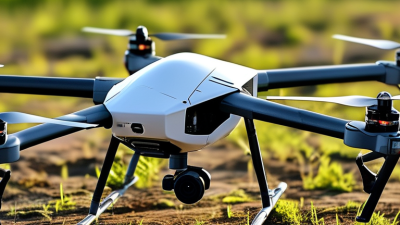
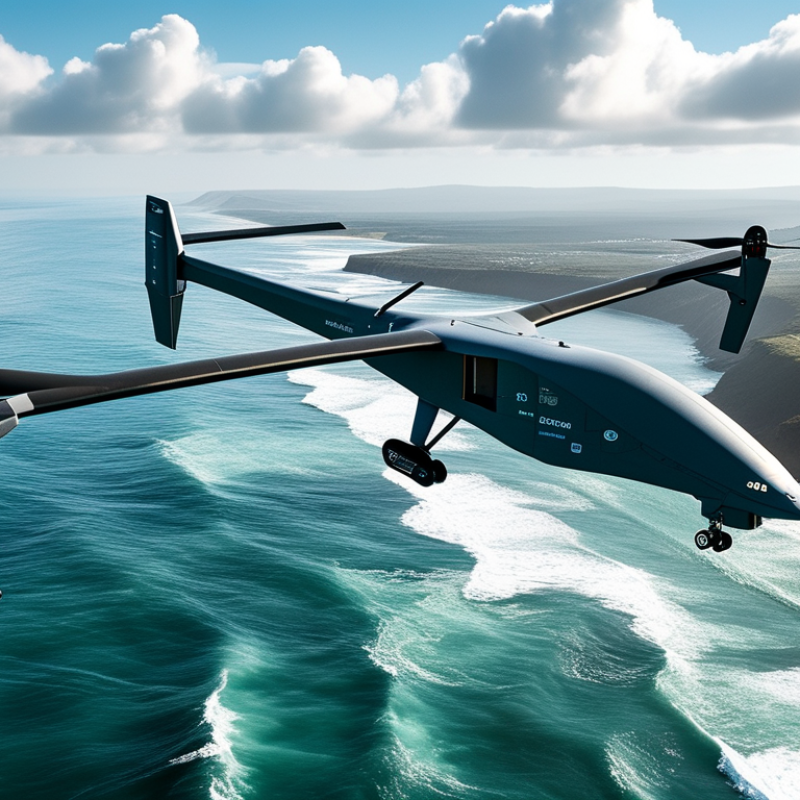
A long-endurance UAV drone is an unmanned aircraft designed to remain airborne for extended periods. It may operate for several hours, or even longer, depending on its design and mission. Unlike short-flight drones, it prioritizes efficient energy use over quick acceleration. A long, slender airframe often reduces drag. Large wings can generate lift with less power.
Endurance is not measured by battery size alone. Payload weight, wind, temperature, altitude, and flight speed all affect performance. A camera, thermal sensor, or communication device can reduce flight time. Field teams often record battery levels, weather changes, and signal quality during missions. These details provide more reliable results than laboratory figures. The published maximum may not match everyday conditions.
Reliable systems also need stable navigation, secure communication, and controlled energy management. An onboard autopilot can maintain altitude while operators monitor the mission. Redundant sensors may support safer decisions if one reading becomes inaccurate. Ground crews should inspect batteries, propellers, software, and weather data before each lawful flight. Small oversights matter. A loose connector can interrupt a carefully planned operation.
The term “long endurance” remains relative. A drone lasting six hours may be excellent for one task but insufficient for another. Mission objectives should define the required endurance, not marketing language. I would also question any figure measured without a meaningful payload. Real performance is usually less perfect, and that difference deserves honest documentation.
| Data Dimension | Typical Data or Definition | Why It Matters |
|---|---|---|
| Definition | A long-endurance UAV drone is an unmanned aircraft designed to remain airborne for extended periods while carrying out surveillance, communications, mapping, inspection, or other missions. | It prioritizes persistent flight and mission availability over short-duration, high-speed operation. |
| Endurance Threshold | There is no single globally fixed threshold. In practical use, long-endurance systems commonly support several hours of flight, while specialized systems may remain airborne for more than 24 hours. | The required endurance depends on the mission, aircraft configuration, weather, payload, and operating regulations. |
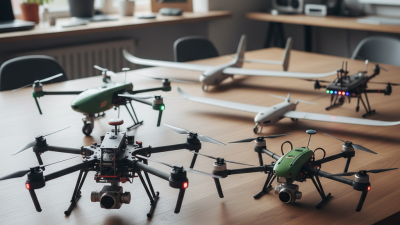
| Typical Aircraft Configuration | Fixed-wing aircraft are the most common configuration for long-endurance missions because their wings generate lift efficiently during forward flight. | Efficient aerodynamic lift reduces the energy required to stay airborne. |
| Hybrid and Multirotor Options | Hybrid vertical-takeoff-and-landing designs combine hovering capability with fixed-wing cruise. Multirotors can hover and maneuver precisely but generally have shorter endurance. | Configuration selection involves a trade-off between endurance, vertical takeoff capability, payload capacity, and operational flexibility. |
| Power Source | Power systems may use batteries, internal-combustion engines, fuel cells, solar-assisted power, or combinations of these technologies. | Energy density, fuel availability, thermal management, and maintenance requirements directly affect flight duration. |
| Cruise Speed | Many long-endurance fixed-wing UAVs cruise at approximately 50–150 km/h, although actual values vary considerably by aircraft size and design. | Moderate cruise speeds help balance coverage area, aerodynamic efficiency, and energy consumption. |
| Operating Altitude | Operating altitude ranges from low-level flight for close inspection to several thousand meters for wide-area observation. The permitted altitude is determined by aircraft capability and local aviation rules. | Higher altitude can expand coverage but may reduce image detail and increase regulatory and communication requirements. |
| Payload Capacity | Payload capacity varies from a few hundred grams in small aircraft to several kilograms or more in larger platforms. | Cameras, thermal sensors, multispectral instruments, communication relays, and other payloads can significantly increase power consumption and reduce endurance. |
| Energy Efficiency | Key efficiency features include high-aspect-ratio wings, lightweight structures, efficient motors or engines, optimized propellers, and low-power avionics. | Reducing drag and unnecessary electrical loads increases useful flight time without simply adding more fuel or batteries. |
| Communication Link | Long-endurance UAVs typically use command-and-control links supported by radio, cellular, satellite, relay aircraft, or combinations of these methods. | Reliable communication is essential for beyond-visual-line-of-sight operations, telemetry, payload control, and safety monitoring. |
| Autonomy and Flight Control | Common capabilities include waypoint navigation, automated takeoff and landing, route management, return-to-home functions, geofencing, and contingency procedures. | Automation reduces operator workload and helps maintain stable flight during long missions. |
| Sensor Endurance | The aircraft may remain airborne longer than the sensor can operate continuously, depending on sensor heating, stabilization, storage, and power requirements. | Total mission endurance must account for both aircraft energy and payload operating limits. |
| Weather Tolerance | Wind, rain, temperature, icing, turbulence, and visibility can affect endurance and operational safety. | Published endurance is usually measured under specific conditions and may be lower in adverse weather. |
| Mission Coverage | Coverage depends on endurance, cruise speed, sensor field of view, altitude, flight path, and communication range. | Longer endurance enables extended border observation, infrastructure inspection, environmental monitoring, mapping, and emergency response. |
| Launch and Recovery | Launch methods may include runway takeoff, hand launch, catapult launch, or vertical takeoff. Recovery may use a runway, net, parachute, belly landing, or vertical landing. | The launch and recovery method determines the required operating area, equipment, crew, and deployment speed. |
| Regulatory Considerations | Operations may require aircraft registration, pilot certification, airspace authorization, remote identification, risk assessment, and specific approval for beyond-visual-line-of-sight flight. | Legal operating limits can affect maximum altitude, flight distance, mission duration, and the locations where the UAV may be deployed. |