Buying a Folding Wing Drone can look simple until the first real flight. A compact body may fit neatly in a backpack, yet its hinges, locks, and wing joints deserve close inspection. This guide introduces seven practical checks for choosing a reliable model. They cover portability, flight endurance, camera quality, control range, repair access, weather tolerance, and total ownership cost.
Drone educator and industry expert Colin Guinn is often associated with the useful reminder, “The best drone is the one you have with you.” That idea fits folding designs well. A drone left at home because it is heavy, fragile, or difficult to deploy has little practical value. Buyers should check the folded dimensions beside their actual travel bag. They should also time the setup process, rather than trusting glossy product images.
Small details matter. Does each wing lock firmly? Is the battery easy to replace? Can the propellers be inspected without special tools? A strong advertised flight time may shrink in wind, cold weather, or when carrying accessories. Marketing numbers are not useless, but they are incomplete.
This guide also questions common buying habits. The cheapest option may create higher repair costs later. The most advanced model may exceed a beginner’s needs. A perfect choice is not guaranteed. Careful comparison simply reduces avoidable disappointment. Each tip turns a vague purchase into a visible, testable decision. Real reliability often hides in ordinary parts, such as a hinge, latch, cable, or charging port.
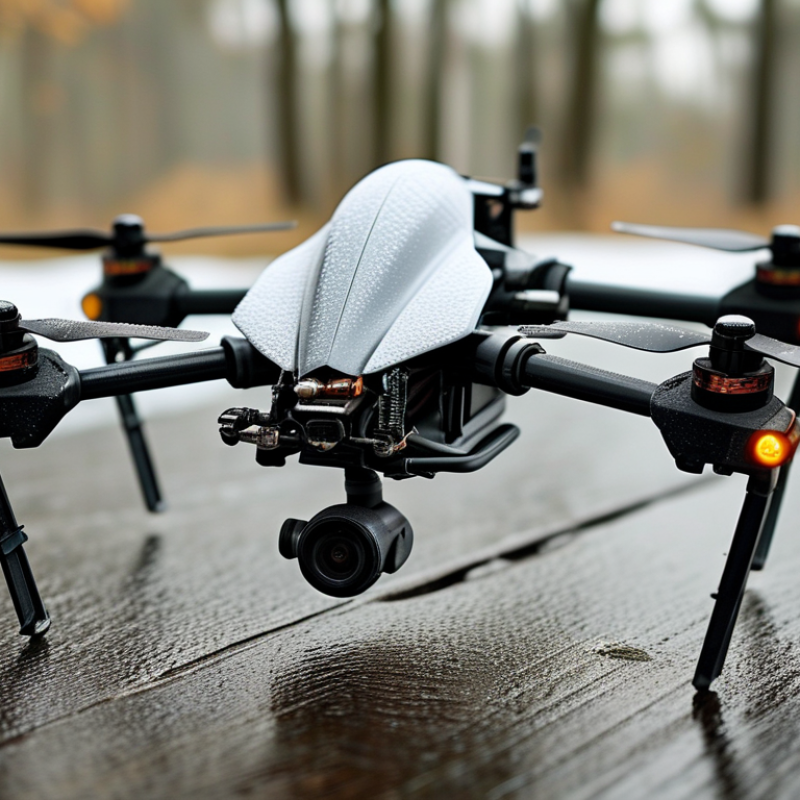
Before comparing cameras or prices, define how you will fly. A folding-wing drone for open farmland needs different qualities than one for short coastal surveys. Write down your typical distance, launch space, flight time, wind conditions, and payload needs. A small notebook helps. If most flights cover two kilometers and end near a vehicle, compact transport may matter more than maximum endurance.
Choose a wing layout that matches those habits. A straight folding wing often packs neatly and offers predictable low-speed handling. A swept design may reduce drag at speed, but it can demand more careful launching and landing. Check hinge locks, spar stiffness, and panel alignment after repeated folding. I would inspect these parts after ten cycles, not just after opening the box. Loose hinges matter.
Do not trust endurance figures without context. Manufacturers may measure them in calm air with a light payload. Real flights include headwinds, temperature changes, and battery reserves. Read the flight manual carefully, then check local aviation requirements before operating. A folding wing that takes two minutes to assemble may still be a poor choice at a crowded field. I once underestimated setup time; the aircraft was ready, but the weather window was gone. That mistake changed my checklist.
Buying a folding wing drone starts with flight time, not advertised range. Check whether the quoted figure includes calm weather and no payload. In field testing, wind and repeated climbs reduced usable time noticeably. Treat the published number as an upper limit. Compare battery capacity, charging time, and reserve power together. A practical aircraft should land with a safety margin, not an empty battery. Folded dimensions also matter when the drone travels in a vehicle or storage case.
Payload capacity needs careful interpretation. Ask whether the rating includes the camera, mount, and battery. A claimed two-kilogram capacity may leave little useful room after accessories. Test the aircraft with the intended load before regular operations. Watch for slower climbs, wider turns, and longer braking distances. Motor performance should be judged under weight, not during a light showroom demonstration. Look for smooth startup, stable temperature, and consistent thrust from every motor. Excessive vibration can soften images and loosen fasteners over time. My own mistake was trusting a short hover test. Longer flights exposed heat buildup and faster battery loss. Consider spare batteries, maintenance access, and replacement propellers. Also verify local flight rules and required operating permissions before use.
Inspect the folding mechanism before admiring the flight specifications. Each wing should open smoothly and lock without excessive force. It should lock firmly. Wiggle the extended wing gently; noticeable side-to-side movement may indicate weak hinges or loose fasteners. Check whether both wings align evenly, because small asymmetries can affect stability and motor efficiency. Look for protected wiring near every hinge. Exposed wires can rub against moving parts during repeated folding. Also test the release buttons or latches several times. A mechanism that feels convenient in a shop may become stiff after dust enters the joint.
Study the materials and construction under bright light. Reinforced polymer can reduce weight, while carbon composite sections usually provide greater rigidity. However, material names alone prove little. Press lightly around the wing roots and inspect for flex, cracking, or uneven seams. Examine screw heads, landing supports, motor mounts, and battery contacts. They should sit flush and remain secure. I once focused on the airframe and missed a poorly supported camera mount. That mistake taught me to inspect every connection, not just the main shell. Check propeller clearance after folding and unfolding, too.
A practical test reveals more than polished photographs. Fold the drone, place it in a bag, then assemble it without forcing the hinges. Confirm that the arms remain symmetrical and that the battery fits without pressure. Review repair instructions and replacement-part availability before purchasing. Ask whether the folding cycle has been tested repeatedly, not just demonstrated once. Some compact designs feel excellent initially but develop looseness over time. I would record unusual clicks or resistance, even if they seem minor. Small defects deserve attention before the first flight.
A folding-wing drone should be judged by its navigation system, not its compact shape. Check whether positioning remains stable near buildings, trees, and weak signal areas. Satellite guidance helps, but it is not perfect. I once tested a drone beside tall walls and noticed slow, drifting corrections. That small delay mattered. Look for return-to-home settings, signal-loss behavior, and adjustable height limits. Test them only in a legal, open location.
Controls should feel predictable through the remote controller or approved mobile interface. The drone must respond smoothly to small stick movements. Avoid models with confusing menus or delayed video feedback. Practice gentle turns before attempting longer flights. Safety features deserve close inspection. Obstacle sensing, low-battery warnings, propeller guards, and automatic landing can reduce mistakes. Still, sensors may miss thin wires, glass, or dark branches. They are useful assistants, not substitutes for attention.
Legal requirements can change by country, region, and flight location. Check the current rules from your local aviation authority before operating the drone. Registration, pilot competency checks, height limits, identification systems, and insurance may apply. Some areas restrict flights near airports, emergency scenes, government facilities, or crowded spaces. Respect privacy as well; do not record private areas without permission. Keep batteries secured, inspect folding hinges, and avoid strong wind or rain. My own weak point was rushing the preflight check. A written checklist feels excessive, until it prevents an expensive mistake.
| Tip | Buying Dimension | What to Check | Practical Benchmark | Why It Matters |
|---|---|---|---|---|
| 1 | Folding Wing Structure | Inspect the folding hinges, locking mechanism, wing joints, propeller clearance, and resistance to repeated assembly and disassembly. Confirm that the folded aircraft fits your intended storage or transport case. | Look for: Secure locks, minimal hinge play, protected control surfaces, and a clear setup procedure without tools. | A strong folding design improves portability while reducing the risk of loose components, aerodynamic imbalance, or damage during transport. |
| 2 | Navigation and Positioning Systems | Check whether the aircraft supports satellite positioning, altitude sensing, compass calibration, inertial sensors, and reliable return-to-home functions. Review how it behaves when the positioning signal is weak or unavailable. | Look for: Stable position holding, configurable return-to-home altitude, low-battery return, and clear warnings for compass or positioning errors. | Accurate navigation helps maintain flight stability and supports safer recovery when the control signal or battery level becomes a concern. |
| 3 | Flight Controls and Communication Link | Evaluate the transmitter layout, control modes, response settings, telemetry display, communication frequency, antenna design, and documented operating range. The advertised range should not be treated as a guarantee in urban or obstructed areas. | Look for: Intuitive controls, adjustable sensitivity, live battery and signal information, failsafe behavior, and a control link suitable for your normal flying environment. | Clear controls and dependable telemetry reduce pilot workload and help prevent loss of control caused by poor signal awareness or incorrect settings. |
| 4 | Battery, Endurance, and Charging | Compare usable flight time rather than only the manufacturer’s maximum figure. Check battery type, charging time, cycle life, storage requirements, replacement availability, and whether the system provides low-voltage warnings. | Look for: A published flight-time test condition, conservative low-battery alerts, a protected charger, and a battery that can be safely stored according to its instructions. | Actual endurance is affected by wind, payload, temperature, and flight style. Sufficient reserve time is essential for a controlled landing. |
| 5 | Safety and Fail-Safe Features | Check for geofencing or airspace warnings, low-battery protection, signal-loss response, obstacle awareness, propeller guards where appropriate, visible status indicators, and a method for stopping the motors safely after landing. | Look for: Configurable failsafe actions, pre-flight checks, clear audible or visual alerts, emergency procedures, and a user manual that explains abnormal situations. | Safety features cannot replace pilot judgment, but they can reduce the consequences of signal loss, low power, incorrect setup, or unexpected obstacles. |
| 6 | Payload, Camera, and Data Handling | Confirm the maximum permitted payload, center-of-gravity limits, camera stabilization, image storage, operating temperature range, and whether flight data or images are transmitted to external services. Avoid adding accessories without checking balance and power limits. | Check carefully: Payload capacity should be stated by the manufacturer, and any added equipment should remain within the aircraft’s weight, balance, and power specifications. | Excess weight or an incorrect center of gravity can reduce endurance, stability, controllability, and structural reliability. |
| 7 | Legal and Operational Requirements | Before purchase, verify the rules issued by the aviation authority in the country or region where you will fly. Requirements may include operator registration, aircraft registration or labeling, remote pilot competency, operating-category restrictions, altitude limits, visual-line-of-sight rules, privacy obligations, insurance, and restrictions near airports or sensitive sites. | Always confirm locally: Laws vary by location and may depend on aircraft mass, operating area, camera use, flight purpose, and whether the flight is recreational or commercial. | Compliance is a legal responsibility. A technically capable drone may still be unsuitable for a planned operation if the required registration, authorization, or pilot qualification is unavailable. |
A folding-wing drone can look affordable until small ownership costs start collecting. Before buying, inspect the hinges, wing locks, motor arms, and battery compartment. I prefer a model with replaceable propellers and accessible screws because field repairs become less frustrating. After several flights, dust often settles near folding joints, while damp grass can leave moisture inside the landing area. Clean those points with a soft brush, then check for looseness before every flight. It takes minutes. The manual should state inspection intervals, battery storage guidance, and available replacement parts. If these details are vague, maintenance may become guesswork.
Accessories deserve a realistic budget, not an afterthought. Two spare batteries, a balanced charger, propeller guards, a padded case, and a small tool kit can change daily use. Extra batteries also add weight and charging time. I once underestimated storage space and carried a case that was awkward in a compact car. That mistake was avoidable. Choose accessories that protect folded hinges and keep batteries separated from metal objects. Avoid buying every add-on immediately. Some are useful only for specific weather or filming needs.
Read warranty terms line by line. Check coverage for batteries, hinge wear, accidental damage, shipping, and repair labor. A short warranty may be acceptable if parts are inexpensive and service is responsive. A longer warranty means little if exclusions are broad. Estimate total ownership cost over two years: purchase price, batteries, propellers, cleaning supplies, repairs, storage, and service fees. Keep a simple flight log. It reveals actual battery replacement patterns. My estimates have been wrong before, especially after rough landings. Leave room for surprises, because ownership rarely follows the brochure.
A practical cost comparison for reviewing maintenance needs, accessories, warranty coverage, and total ownership expenses before buying a folding wing drone.
Estimated USD costs for a typical consumer folding wing drone over three years: initial purchase, spare batteries, routine maintenance, accessories, extended warranty or service, repairs, and storage or transport. Actual costs vary with flight frequency, crash risk, battery cycles, and coverage terms.