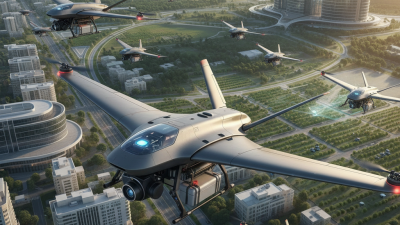
2026 Best Folding Wing Drone for Global Buyers?
Choosing the 2026 Best Folding Wing Drone for Global Buyers requires more than comparing flight time and advertised range. A capable Folding Wing Drone should balance portability, endurance, imaging quality, control stability, and dependable after-sales support. Global buyers also need clear documentation, secure software, replaceable parts, and compatibility with local aviation requirements. A compact aircraft may fit neatly inside a hard case, yet its real value appears during setup, transport, and repeated field use.
This guide examines practical performance rather than relying only on polished specifications. We consider launch preparation, wing-folding durability, battery behavior in cold weather, wind resistance, camera detail, and controller usability. A drone that opens smoothly beside a vehicle can save valuable minutes during inspection work. However, some manufacturers publish ideal figures that may not reflect heavy payloads or strong wind. That deserves caution.
No model wins every mission. Buyers should confirm registration rules, operating zones, privacy obligations, radio frequencies, and insurance requirements before purchase. These responsibilities differ across countries and may change over time. Independent testing, verified user feedback, and manufacturer service records can provide stronger evidence than promotional claims. Still, even careful research has limits; firmware updates and supply-chain changes may affect long-term ownership.
The following overview compares leading folding-wing designs through a professional, buyer-focused lens. It highlights useful strengths, realistic compromises, and details that are easy to overlook. The goal is not to promote one universal winner. It is to help organizations and individuals choose a reliable, lawful, and suitable aircraft for their specific operating environment.
What Is a Folding Wing Drone?
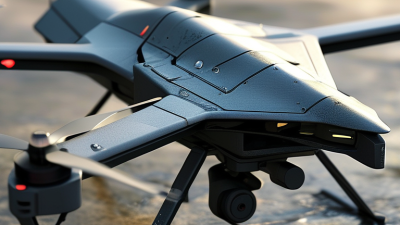
A folding wing drone is an unmanned aircraft with wings that fold for storage and transport. Its hinged structure reduces the space needed inside a vehicle or carrying case. Before flight, the wings extend into a broader airfoil shape. This allows the aircraft to generate lift more efficiently than many compact multi-rotor designs.
Unlike a typical quadcopter, a folding wing drone usually depends on forward movement to stay airborne. Its wings carry much of the weight, while the motor provides thrust. This design can support longer cruising and wider-area observation. However, it may need more room for launch and recovery. That difference matters.
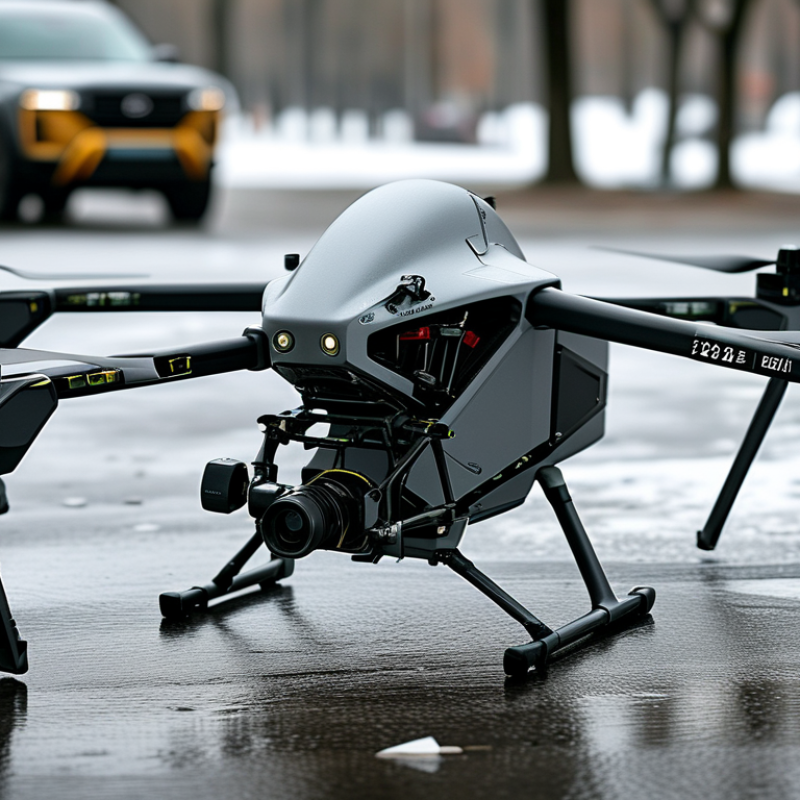
In practical evaluations, the wing hinges deserve close attention. Dust, loose fittings, or uneven locking can affect stability. Buyers should check the folding mechanism, propeller clearance, battery access, and replacement-part availability. Field performance also changes with wind, temperature, payload, and local terrain. Published flight time is only an estimate. Real results may be shorter.
Some models combine folding wings with vertical takeoff features. These aircraft can lift from a small area, then transition into efficient forward flight. The mechanism is useful, but it adds weight and moving parts. More capability can mean more maintenance. I would not judge a drone by flight time alone. A careful buyer should also review operating rules, pilot requirements, weather limits, and transport conditions in the destination country. Read the manual carefully.
How Folding Wing Designs Improve Portability and Flight Performance
2026 Best Folding Wing Drone for Global Buyers?
For global buyers, the best folding-wing drone is not simply the smallest model. Its design must balance packed size, wing stiffness, battery access, and safe operation. When the wings fold, the aircraft becomes easier to carry through airports, fields, and narrow workspaces. That matters.
After deployment, rigid wings can provide stable lift and efficient forward flight. This may extend endurance compared with a compact multirotor during long surveys. Folding sections also protect the wing edges inside a case. A useful field check is simple: open the wings repeatedly, then inspect hinges, locking points, and alignment. Small looseness can create vibration.
Weather exposes weaknesses. Crosswinds can affect lightweight folding structures, especially during landing. The hinge system also adds weight and possible maintenance points. Not always ideal. Buyers should check wind limits, spare-part access, battery transport rules, and local flight requirements before purchase. Claimed flight time should be treated as an estimate, because payload, temperature, and launch style change results.
I would prioritize reliable wing locks over a few extra minutes of advertised endurance. A drone that packs neatly but takes too long to deploy may frustrate field teams. I may be overvaluing simplicity, though. Some advanced folding systems can improve setup speed without sacrificing rigidity. The right choice depends on transport needs, mission distance, operator skill, and realistic maintenance support.
2026 Best Folding Wing Drone for Global Buyers? - How Folding Wing Designs Improve Portability and Flight Performance
A practical comparison of folding-wing fixed-wing and VTOL drone configurations for international buyers
Buyer guidance: Folding wings mainly reduce transport envelope and setup time; they do not automatically increase endurance. Flight efficiency is more strongly affected by wing loading, aspect ratio, total mass, propulsion efficiency, battery capacity, wind conditions and payload. The figures above are representative engineering ranges for configuration classes rather than manufacturer specifications. Always verify local aviation rules, radio-frequency requirements, battery transport rules and operating limitations before purchase or deployment.
Key Specifications Global Buyers Should Compare in 2026
2026 Best Folding Wing Drone for Global Buyers?
Global buyers should compare measurable specifications, not attractive flight claims. Check folded size, takeoff weight, payload capacity, and setup time. A compact frame matters when it must fit inside a small field case. However, smaller wings can reduce stability in strong coastal winds. Review the stated wind-resistance rating and test conditions carefully. Flight time should be measured with the actual payload attached. Empty-aircraft endurance can be misleading.
Battery performance deserves close attention. Compare charging time, battery cycle life, operating temperature, and replacement availability. A drone that flies 45 minutes but needs rare batteries may be impractical. Examine control range, signal reliability, navigation accuracy, and emergency return behavior. For imaging work, assess sensor size, stabilization, image resolution, and low-light performance. Weather sealing is useful, but it does not make every aircraft waterproof. Local aviation rules, radio standards, and import requirements still apply.
Tips: Ask for independent test data. Request manuals before purchase. Test the folded mechanism repeatedly; it may loosen over time. Check whether spare arms, propellers, batteries, and chargers are locally obtainable. Confirm software language support and data-handling practices. I would also compare repair access, warranty terms, and training materials. Some advertised specifications remain vague. That deserves skepticism. A reliable choice balances portability, endurance, serviceability, and documented compliance rather than chasing the longest flight-time number.
2026 Best Folding Wing Drone for Global Buyers?
Key Specifications Global Buyers Should Compare in 2026
The chart presents practical screening benchmarks for folding-wing VTOL drones used in inspection, mapping, surveying, and infrastructure missions. Global buyers should compare endurance, operational radius, payload capacity, wind resistance, and deployment time together rather than relying on a single specification. The figures are indicative market benchmarks and should be verified against local aviation regulations, payload configuration, battery conditions, and operating environment.
Safety, Regulations, and Transport Requirements by Region
For 2026 global buyers, a folding-wing drone must be judged beyond flight range.
FAA’s 2024 Aerospace Forecast projects the U.S. commercial small-drone fleet could reach about 717,000 aircraft by 2028. That growth increases scrutiny of pilot competence, remote identification, and operating zones. In the United States, many commercial flights require Part 107 compliance, while European operations follow EASA’s risk-based framework. Weight, altitude, proximity to people, and airspace access can change the legal category.
Rules vary sharply by region.
European buyers should check class identification, operator registration, competency training, and local geographic restrictions. U.S. users may need registration and Remote ID. Other markets can require import approval, radio certification, or separate privacy assessments. A folding structure saves space, but it does not reduce regulatory responsibility. That assumption causes expensive delays.
Transport is equally practical.
IATA passenger guidance generally limits spare lithium-ion batteries to carry-on baggage, with batteries up to 100 Wh commonly accepted without airline approval. Terminals must be protected from short circuits. Larger batteries may need airline permission or cargo handling under dangerous-goods procedures. Measure the packed aircraft, controller, and battery case, not only the folded frame. EASA and national aviation authorities also publish operational guidance, but local airport rules can be stricter. My experience suggests checking the destination authority and airline before purchase; published rules are not always applied consistently at the counter.
How to Choose the Best Folding Wing Drone for Your Needs
2026 Best Folding Wing Drone for Global Buyers?
How to Choose the Best Folding Wing Drone for Your Needs
Choosing the best folding wing drone starts with the mission, not the advertised flight time.
A survey route needs endurance, stable navigation, and clear imaging. A compact inspection task may need quick deployment and strong wind resistance. MarketsandMarkets’ 2024 Drone Market report projects the sector to grow from about USD 30.6 billion in 2022 to USD 55.8 billion by 2030. That growth increases choice, but also creates confusing specifications.
Check the folded dimensions against your vehicle and storage case. Then examine the deployed wings, motor layout, battery type, and payload capacity. A drone promising 90 minutes may achieve less in cold weather or strong wind. Real conditions matter. The U.S. National Renewable Energy Laboratory reports that lithium-ion battery performance changes with temperature, which affects practical flight planning. I would request test data at the intended operating temperature.
Look closely at the control link, navigation redundancy, landing method, and repair process.
A folding hinge should feel firm, without side movement or uneven locking. Replacement arms and batteries should have clear availability. Do not ignore training requirements or local aviation rules. The European Union Aviation Safety Agency emphasizes risk-based operations, including pilot competence and operational limits. I once valued maximum range too highly. That was a mistake. For many buyers, simpler maintenance and predictable recovery matter more than impressive numbers.