Why Choose Long Range Drones for Your Business Needs?
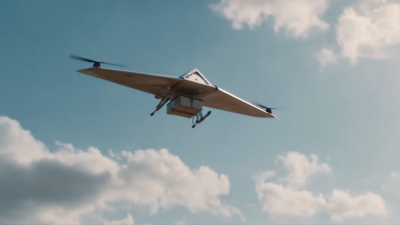
In recent years, the demand for Long Range Drones has surged across various industries. A report by MarketsandMarkets projects the commercial drone market will reach $43 billion by 2024. This growth is driven by the necessity for efficient data collection and aerial surveillance. Long Range Drones offer a unique capability to cover vast areas, providing enhanced efficiency for businesses.
Industries such as agriculture, construction, and logistics are increasingly utilizing these drones. They enable farmers to monitor crops over large fields, allowing for timely interventions. In construction, these drones facilitate site assessments and progress tracking. However, the integration of Long Range Drones is not without challenges. Issues such as regulatory compliance and pilot training may arise.
Making an informed decision requires careful consideration of these factors. As the industry evolves, prospective users must weigh the benefits against potential obstacles. Embracing Long Range Drones could transform operational efficiencies, but businesses must tread cautiously.
Benefits of Long Range Drones for Business Operations
Long range drones are transforming business operations across various industries. They offer unique advantages that can significantly enhance efficiency. According to a report by PwC, the use of drones in commercial applications could contribute $127 billion to the global economy by 2020.
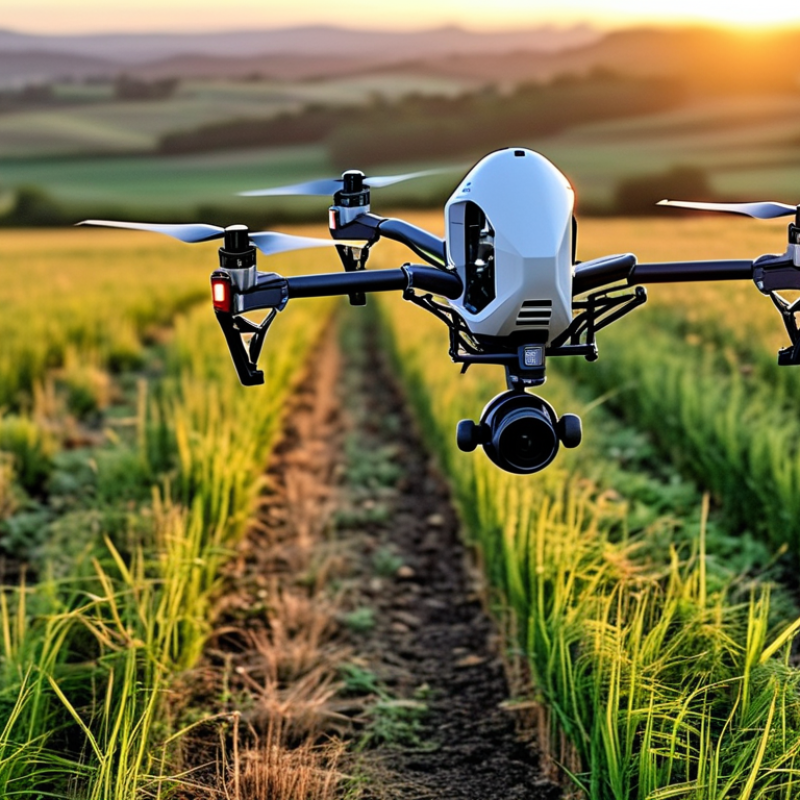
These drones excel in data collection and delivery. They cover vast areas quickly, making it easier for businesses to monitor assets and conduct inspections. For instance, agriculture companies leverage drones to survey large fields, achieving up to 80% faster crop analyses compared to traditional methods. This efficiency results in better decision-making and increased yield.
Additionally, their long operational range allows enterprises to access remote sites that are challenging to reach. A study by McKinsey indicates that drones can reduce infrastructure inspection costs by up to 30%. However, businesses must consider regulatory challenges and workforce training. Not every company is prepared for this shift. The benefits are undeniable, but careful planning is critical for successful implementation.
Why Choose Long Range Drones for Your Business Needs? - Benefits of Long Range Drones for Business Operations
| Benefit |
Description |
Impact on Operations |
| Increased Range |
Ability to cover larger areas without needing to return frequently. |
Enhances operational efficiency and reduces downtime. |
| Cost Efficiency |
Longer flight times reduce the need for multiple drones or trips. |
Lowers operational costs and increases budget effectiveness. |
| Data Collection |
Provides the ability to gather data from expansive terrains. |
Improves data-driven decision-making across various sectors. |
| Safety |
Minimizes the need for personnel in hazardous or hard-to-reach areas. |
Reduces the risk associated with on-ground operations. |
| Versatility |
Can be utilized for various applications, from surveying to delivery. |
Offers adaptability for different business needs and markets. |
Key Industries Leveraging Long Range Drones for Efficiency
Long range drones are transforming various industries. These advanced tools offer opportunities to improve efficiency in sectors like agriculture, construction, and logistics. For farmers, drones efficiently monitor crops over large fields. They gather vital data and pinpoint areas needing attention. This reduces the time spent on manual inspections.
In construction, long range drones provide aerial views of expansive sites. They assist in surveying and offer real-time progress updates. This can lead to better project management. However, not all sites are suitable for drone operations. Weather conditions and regulations may pose challenges.
Logistics companies are embracing drones for their ability to deliver goods quickly. Long distances can be covered without delay. Yet, the technology is not perfect. Flight path planning can sometimes lead to inefficiencies. Companies must adapt and innovate to overcome these hurdles.
Cost Analysis: Long Range Drones vs. Traditional Methods
Long-range drones have emerged as a valuable tool for various businesses, especially when compared to traditional methods. A recent industry report shows that using drones can reduce operational costs by up to 30% for logistics and surveying. Unlike conventional methods, drones can cover vast areas in a fraction of the time. This efficiency translates to direct cost savings on labor and fuel.
However, implementing long-range drones requires an initial financial investment. The cost of drone technology can be significant. Yet, companies can recover these expenses through increased productivity. An analysis of data from the Association for Unmanned Vehicle Systems International suggests that businesses can expect a return on investment within two years. This data illustrates the balance between upfront costs and long-term savings.
Despite their advantages, businesses must also consider regulatory challenges. Navigating airspace laws can be complex. Training staff to operate drones safely adds to initial costs. Establishing a thorough safety protocol is vital, as neglect can lead to fines. The learning curve may challenge some businesses, but the potential benefits often outweigh the risks. Evaluating these factors helps businesses make informed decisions about adopting long-range drones.
Technical Features of Long Range Drones That Enhance Performance
Long range drones have unique technical features that significantly enhance their performance in various business applications. Equipped with advanced navigation systems, these drones can cover vast distances with precision. They often include high-capacity batteries that extend flight time. Businesses can collect more data or complete tasks without frequent recharging.
In addition, long range drones typically have superior imaging capabilities. High-resolution cameras provide clear, detailed imagery for inspections or surveys. This detail can lead to better decision-making based on data analysis. Some users find that the learning curve can be steep. Not all operators are familiar with sophisticated controls.
While these drones offer impressive capabilities, challenges exist. Environmental factors like wind and GPS interference can impact performance. Businesses should account for these variables when planning operations. Robust training programs are essential to maximize the benefits of long range drones. Continuous improvements are needed to enhance user experiences.
Future Trends: The Evolution of Long Range Drones in Business
The evolution of long range drones in business is a significant trend shaping various industries. These drones have extended capabilities, allowing for longer flight times and coverage. Companies now utilize them for tasks like delivering goods to remote areas or conducting vast agricultural assessments. This capability can save time and increase efficiency, which is crucial in today's fast-paced environment.
As technology advances, businesses are exploring innovative uses for long range drones. For instance, drones can perform detailed aerial surveys with stunning precision. This opens doors to valuable data collection and analysis. However, the integration of drones also raises challenges. Concerns about regulations and airspace safety persist. Companies must navigate these complexities as they adopt this technology.
The future promises even more developments. Enhanced battery life and AI integration could offer improved functionalities. Yet, organizations must stay critical of their practices. Continuous evaluation and adaptation are essential. Striking the right balance between innovation and safety is not easy. It requires ongoing reflection and adjustments. This evolving landscape makes choosing the right drone more important than ever.