2026 Top Long Range Drone Features Buyers Need to Know?
As the drone industry evolves, understanding Long Range Drones becomes crucial for buyers. Reports indicate a projected growth rate of over 15% annually in this sector. Long Range Drones offer capabilities that enhance surveillance, mapping, and delivery services. Their extended flight range improves efficiency across various industries.
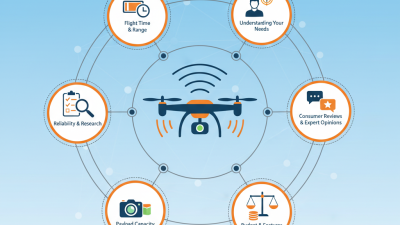
Many buyers may overlook key features. Battery life, communication systems, and payload capacity significantly impact performance. A recent study emphasizes that 61% of drone operators prioritize endurance in their purchasing decisions. Buyers should investigate technical specifications thoroughly. Manufacturers often present ideal scenarios that don’t reflect real-world conditions.
Investing in Long Range Drones involves considering potential limitations. Weather, for example, can drastically reduce operational range. Additionally, buyers must be cautious of rapidly changing regulations. UAV technology advances quickly, and adaptability is essential for long-term use. A well-informed decision will ensure a better fit for specific operational needs.

Key Features to Consider in Long Range Drones for 2026
When considering long-range drones for 2026, several features stand out. Battery life is crucial. Look for models that can fly for extended periods without needing a recharge. Some drones now boast flight durations exceeding one hour. This is essential for long missions.
Payload capacity is another key feature. Long-range drones should carry necessary equipment like cameras or sensors. Consider what weight they can manage. Many drones have adjustable payload systems to support different tools. This flexibility is important for diverse applications.
Connectivity options also matter. Reliable communication links ensure real-time data transfer from drones to control stations. This is vital for remote operations. However, not all drones maintain connectivity at great distances. Always check the specifics on range and signal strength. Lastly, the design may influence usability and resilience. A robust construction can withstand harsh weather, but it might add weight. This trade-off requires careful thought during selection.
2026 Top Long Range Drone Features Buyers Need to Know
| Feature |
Description |
Importance |
| Flight Range |
The maximum distance a drone can fly from its controller, typically important for survey or farming applications. |
High |
| Battery Life |
Duration that a drone can operate on a single charge, crucial for long missions. |
High |
| Camera Quality |
Resolution and features of the onboard camera, significant for aerial photography and videography. |
Medium |
| Payload Capacity |
The maximum weight a drone can carry, important for transporting equipment or accessories. |
Medium |
| GPS Accuracy |
How accurately a drone can determine its position using GPS, vital for precise navigation. |
High |
| Obstacle Avoidance |
Systems that help the drone detect and avoid obstacles automatically, enhancing safety. |
High |
| Price |
Cost of the drone, which varies widely based on features and technology. |
Medium |
Battery Life and Flight Time: What to Expect from Future Models
As the drone industry evolves, battery life and flight time become critical factors for buyers. Future long-range drones are expected to push boundaries. Current high-performance models often feature flight times around 30 to 40 minutes. Reports suggest upcoming technologies could double this duration. Lithium-ion batteries, while common, face limitations regarding energy density. Thus, advancements in battery chemistry are essential.
Emerging technologies, such as solid-state batteries, hold promise. These can potentially offer five times the energy density compared to current lithium-ion options. Experts believe operational times could reach 90 minutes or more. However, this innovation is still in the experimental phase. Regulations surrounding battery safety must also be addressed. The increasing focus on eco-friendliness introduces another challenge; manufacturers need to balance performance with sustainability.
Moreover, flight time isn't solely about battery life. Efficiency in propulsion systems is equally vital. Some prototypes are integrating lightweight materials to reduce drag. This could lead to more efficient power use during flights. Nevertheless, these ideas are not without hurdles. Development costs, technical complexities, and the need for rigorous testing create uncertainty in the timeline for widespread adoption. Understanding these factors will be crucial for informed purchasing decisions.
Payload Capacity: Understanding the Limitations and Possibilities
Payload capacity is a critical aspect of long-range drones. This feature directly impacts what can be delivered or captured. Many industries, such as agriculture and logistics, rely on this metric. According to a 2023 industry report, the average payload capacity for long-range drones is between 5 to 15 kilograms. However, some advanced models can carry up to 25 kilograms.
Understanding limitations is equally vital. Weight affects flight time and stability. A drone loaded near its maximum capacity may not perform optimally. Flight endurance might drop significantly, which can impact mission success. In practice, operators often underestimate how payload weight affects overall performance. Regularly revisiting payload assessments is essential for sustained operations.
Possibilities are intriguing, too. Drones can carry specialized sensors or medical supplies. In emergencies, payload versatility can save lives. Yet, there's a balance to strike. Each additional kilogram may mean less distance covered. Forward-thinking operators must keep re-evaluating payloads based on mission goals, technology improvements, and operational needs. Thus, thorough planning is crucial for effective drone use.
2026 Top Long Range Drone Payload Capacity
This bar chart displays the payload capacities of various long-range drones available in 2026. Understanding these capacities can help potential buyers make informed decisions based on their specific needs.
Navigation and Control Systems: Advances in Long Range Drones
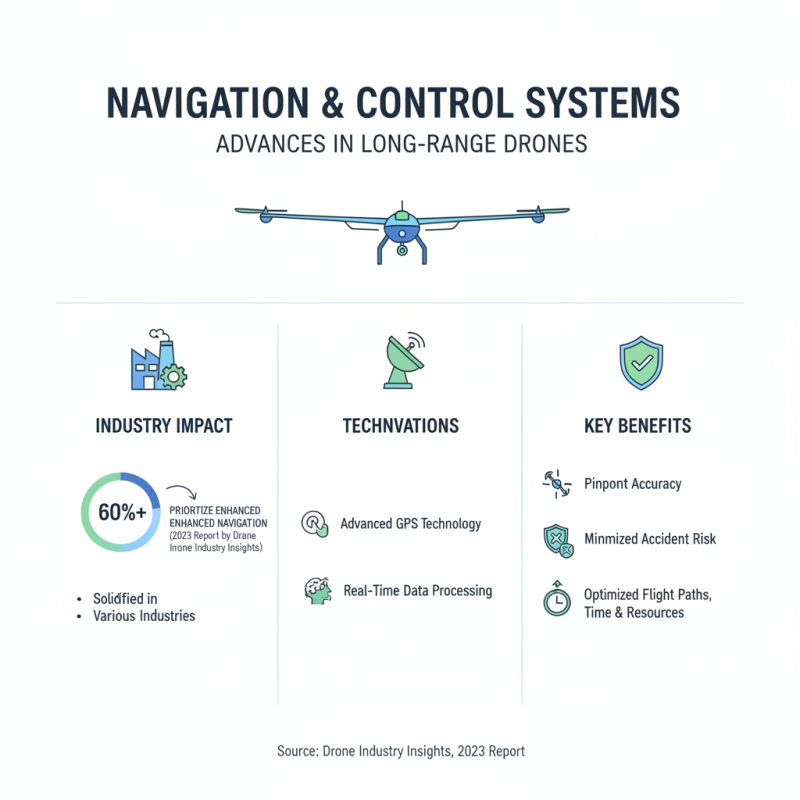
The navigation and control systems of long-range drones have seen remarkable advancements, solidifying their place in various industries. According to a 2023 report by the Drone Industry Insights, over 60% of drone users prioritize enhanced navigation systems. With innovations in GPS technology and real-time data processing, drones can now achieve pinpoint accuracy even in challenging environments. This capability minimizes the risk of accidents and optimizes flight paths, ultimately saving time and resources.
Tip: Regularly update navigation software to ensure optimal performance. Outdated software can lead to inaccuracies and increase operational risks.
Another significant feature is the integration of AI algorithms. These smart systems can adapt to changing conditions, offering autonomous flight capability. Recent studies indicate that drones equipped with AI can improve route efficiency by 30%. However, this level of sophistication raises concerns about reliability. Users should consider potential malfunction risks that come with increased automation.
Tip: Conduct routine checks on all automation features. Ensure all systems are fully functional before each flight. Anomalies can lead to costly mishaps.
While long-range drones are transforming industries, navigational challenges remain. Factors like signal loss or interference can affect flight reliability. Understanding these limitations is crucial for safe operation. Being aware of potential failures allows operators to develop contingency plans, enhancing overall safety and effectiveness.
Safety Features: Ensuring Reliability in Long Distance Flights
In 2026, long-range drones are set to revolutionize many industries. Safety features are crucial for reliability in long-distance flights. The Federal Aviation Administration (FAA) emphasizes that human error contributes to 70% of aviation accidents. Advanced safety measures can significantly mitigate these risks.
Modern long-range drones incorporate real-time monitoring systems. These systems track flight paths and performance metrics. They alert operators to potential issues before they escalate. According to industry reports, drones equipped with fail-safe controls reduce crash risk by 50%.
Additionally, incorporating obstacle detection and avoidance technology is vital. Drones that utilize LIDAR and computer vision can navigate complex environments. Research indicates that this technology can improve safety in urban settings where obstacles are prevalent. However, complexities still exist. For example, heavy reliance on sensors may create vulnerabilities during extreme weather conditions.
As advancements continue, refining these safety features remains essential. Manufacturers must prioritize user education on safety protocols. Even with cutting-edge technology, the potential for malfunctions exists. Monitoring and continuous improvement of safety features is necessary for long-range drone reliability.