What is a Delta Wing Drone and How Does It Work?
A Delta Wing Drone is an innovative design that stands out in the UAV world. Its distinct triangular shape allows for efficient aerodynamics. This drone type is known for its high speed and stability. Manufacturers have extensively tested it, proving its reliable performance in various conditions.
Understanding how a Delta Wing Drone works is essential. These drones use a combination of lift and thrust to navigate. The unique wing design minimizes drag, enhancing fuel efficiency. Many enthusiasts appreciate the design's aesthetic and functionality, while experts recognize its engineering merits.
Despite its strengths, the Delta Wing Drone faces challenges. Not all consumers understand its technology. Some might overlook its complex control systems. However, with proper knowledge and practice, flying a Delta Wing Drone becomes easier. As the market grows, more individuals will benefit from its capabilities.
What is a Delta Wing Drone?
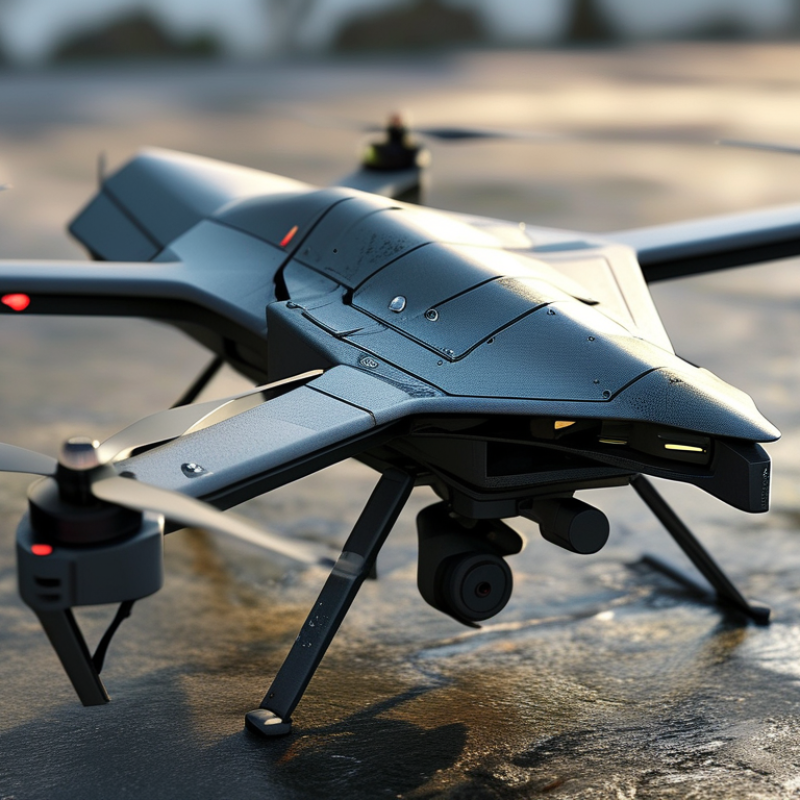
A Delta Wing Drone is a type of UAV designed with a distinctive triangular wing shape. This design gives it unique aerodynamic properties, allowing for efficient flight. Many enthusiasts and professionals prefer delta wing drones due to their stability at high speeds. The delta wing shape provides substantial lift and reduces drag, making them ideal for various applications like surveillance and aerial photography.
In terms of functionality, delta wing drones utilize a combination of thrust and aerodynamic control. The wings are engineered to optimize airflow, enabling smoother maneuvers. This design also contributes to longer flight times. However, the triangular shape can pose challenges, especially in wind conditions. For inexperienced operators, controlling a delta wing drone may require additional practice and understanding of its dynamics.
Pilots often appreciate the drone's agility. Yet, it is crucial to remember that mastering its controls can take time. Some users report difficulty in handling during initial flights. This helps highlight the learning curve involved in flying delta wing drones. Continuous practice and experimentation are necessary for improvement. By embracing these challenges, users can develop a more profound understanding and proficiency in drone operation.
Key Features of Delta Wing Drones
Delta wing drones are designed with a distinct triangular shape. This aerodynamic configuration offers several advantages. The structure allows for improved lift and stability during flight. The wings provide a larger surface area, enhancing the drone's ability to glide efficiently.
One key feature is their endurance. Delta wing drones can maintain longer flight times due to reduced drag. Their design also allows for better performance in windy conditions. This is crucial for applications such as mapping or surveillance. The drones can sustain stable footage even when faced with turbulence.
However, their design may not suit every situation. The triangular shape limits certain maneuverability compared to traditional drones. Beginners may find them harder to pilot. Understanding the balance between stability and agility is essential. Users should reflect on their specific needs when considering a delta wing drone.
How Delta Wing Drones Achieve Flight
Delta wing drones are unique in their design, featuring a triangular shape that optimizes aerodynamic efficiency. This shape allows for smooth airflow, reducing drag during flight. Their sleek structure enables these drones to achieve higher speeds compared to traditional designs. This makes them suitable for various applications, including surveillance and mapping.
To achieve flight, delta wing drones rely on specific aerodynamic principles. The wings generate lift as air flows over and under them. The air pressure difference creates upward force, allowing the drone to fly. Additionally, the center of gravity plays a crucial role in stability. Proper weight distribution ensures that the drone maintains a steady flight path.
Tips: When flying delta wing drones, consider environmental factors like wind. Strong gusts can impact stability. Make sure to check the drone's weight and balance before takeoff. This ensures optimal performance and safety. Adjusting settings on the controller can also improve flight responsiveness. In practice, small changes can make a significant difference.
Applications of Delta Wing Drones
Delta wing drones have gained popularity across various sectors due to their unique aerodynamic design. This design offers high stability and efficiency, making them ideal for several applications. A report from MarketsandMarkets predicts the drone market, particularly delta wing types, to grow by over 20% annually through 2027. This trend underscores their increasing relevance in diverse fields.
In agriculture, delta wing drones are proving invaluable. They can efficiently survey large areas of farmland. These drones assist farmers in monitoring crop health and optimizing resource usage. A study showed that integrating drones in farming can increase yield efficiency by up to 15%. However, misinterpretation of data can lead to poor resource allocation.
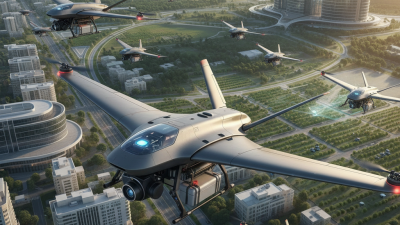
In defense and surveillance, delta wing drones provide critical tactical advantages. Their ability to fly longer and faster than traditional models enhances reconnaissance missions. The Global Military Drone Market Report indicates that military drones, including delta wing types, are expected to reach a valuation of $12 billion by 2025. Yet, ethical concerns around surveillance raise vital questions about privacy infringement. This highlights the need for stricter guidelines in drone usage.
Applications of Delta Wing Drones
Advantages and Disadvantages of Delta Wing Design
The delta wing design offers unique benefits for drone enthusiasts. Its triangular shape allows for enhanced aerodynamic efficiency, leading to faster speeds and superior lift. This is particularly beneficial for long-range applications, where reduced drag can extend flight duration. Additionally, delta wings are inherently stable at various angles of attack, making them ideal in turbulent conditions.
However, the design does come with drawbacks. One significant concern is the limited maneuverability at lower speeds. Drones with delta wing configurations may struggle in tight spaces or when sharp turns are necessary. This can be problematic for applications that require agility, such as search and rescue missions. Furthermore, the construction of delta wings can be more complex. Proper reinforcement is crucial to withstand stress during flight, which may increase production costs.
While delta wing drones prove effective in specific scenarios, they aren't universally ideal. Different missions call for various designs. It's essential to weigh the pros and cons according to the intended use. The delta wing's aerodynamic advantages must be measured against its limitations in maneuverability.