Leave Your Message

10 Drone UAV Buying Tips for Global Buyers

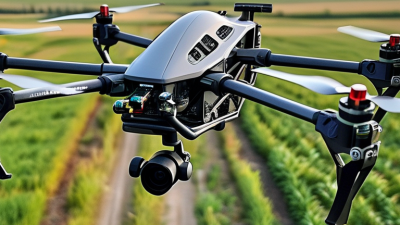
Drone Uav purchasing is no longer just a choice between camera quality and price. Buyers must match aircraft, sensors, software, service, and training to a real operating task. A useful industry benchmark comes from PwC’s 2016 report, Clarity from Above. It estimated a potential $127.3 billion market for drone-powered solutions across industries by 2020. That figure was a forecast, not measured sales, but it showed the scale of commercial interest. The market has matured since then. Yet a large forecast cannot tell you whether a particular aircraft suits your site.

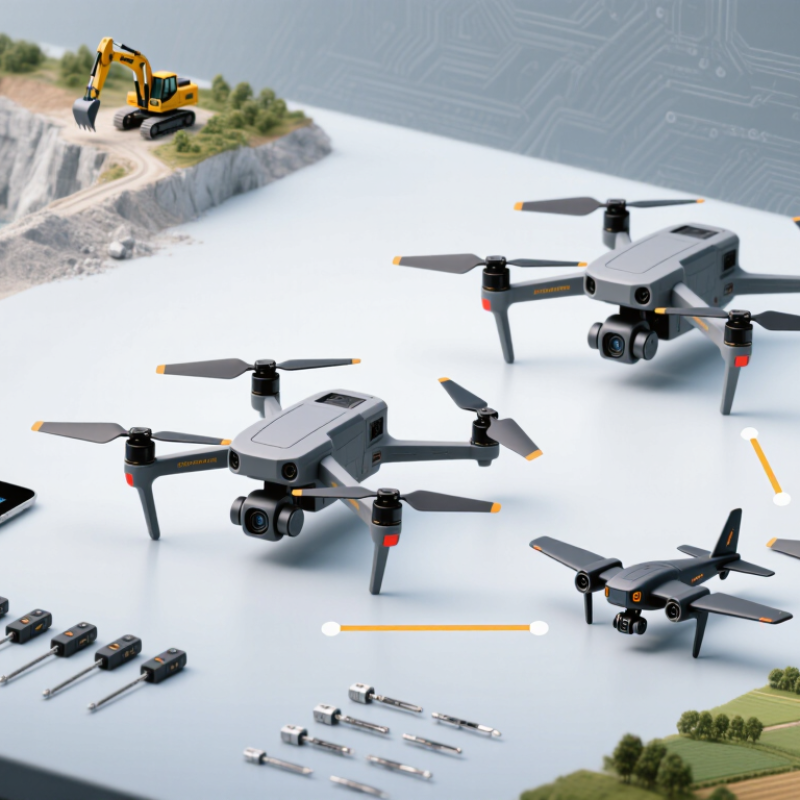
As former FAA Administrator Michael Huerta put it, “The sky is not the limit. It’s just the beginning.” The opportunity is real, but sound buying starts on the ground. Consider a survey team working beside a windy quarry: flight time, obstacle sensing, camera performance, spare batteries, and repair access all matter. A low purchase price can look less attractive when one damaged propeller grounds the fleet for days. Small details count.

This guide introduces ten practical checks for global buyers, from mission fit and payload options to data security, supplier support, and total ownership costs. Compare test conditions, not just headline specifications. Ask who handles software updates and what happens when a component fails. Requirements differ by country and use case, so verify current local aviation rules with the relevant authority before purchase or operation. No checklist catches every weakness. Even experienced teams can overlook a costly detail. Treat each claim as something to verify, and leave room to revise your decision when field conditions prove different.
10 Drone UAV Buying Tips for Global Buyers

Define the Mission and Operating Environment

Before comparing cameras, payload capacity, or flight time, define the job the UAV must perform. Mapping a construction site requires consistent image overlap and repeatable routes. Inspecting a roof calls for stable close-range control and clear views of edges. A search task may need a thermal sensor, but only if its resolution suits the expected distance. Small details matter.

Describe the operating area in practical terms. Note typical wind, temperature, rain, elevation, and available launch space. A field beside a warehouse may have gusts swirling around walls, while an open farm can expose the aircraft to steady crosswinds. Record obstacles such as wires, trees, cranes, and reflective glass. Wind changes everything. Check the expected flight time against the full route, including return distance and a sensible battery reserve.

Also consider who will operate the system and how the data will be handled. A technically capable aircraft can still be a poor fit if setup takes too long or its controls are unfamiliar to the crew. Think through storage, charging, transport, and maintenance in the actual work setting. I would not treat a specification sheet as proof of suitability; real conditions vary, and early estimates can be wrong. Confirm operating requirements with the relevant aviation authority before planning flights.
Match UAV Types, Payloads, and Performance to Your Needs

A multirotor UAV can hover beside a tower or roof, making it useful for close inspections and precise mapping. A fixed-wing aircraft usually covers more ground per flight, but needs space for launch and recovery. Vertical takeoff designs reduce that constraint, though their added mechanisms can increase weight and maintenance needs. Choose the aircraft type around the actual site, not just the product sheet. Test it loaded.

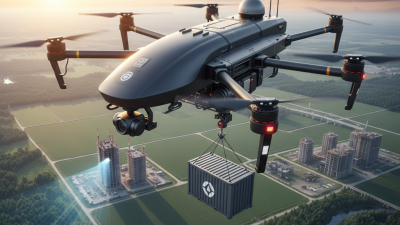
Payload affects more than lift capacity. A thermal camera, mapping sensor, or delivery equipment changes flight time, balance, and handling. Check the complete payload weight, including mounts, cables, and protective housing. Confirm that the power supply and gimbal support the equipment you plan to use. A common purchasing mistake is comparing payload limits without checking usable flight time at that load.

Performance figures need context. Ask how endurance was measured, and compare it with your expected wind, temperature, altitude, and battery reserve. A quoted flight time under ideal conditions may not match a cold morning at a high-elevation site. Check communication range against terrain and interference, and request test data for the intended configuration. The spreadsheet may look neat; field conditions rarely do. Leave room for imperfect results when planning operations.

10 Drone UAV Buying Tips for Global Buyers: Match UAV Types, Payloads, and Performance to Your Needs

Compare indicative endurance and payload envelopes by UAV type. Actual performance varies with aircraft design, battery or fuel, payload, weather, and operating conditions; confirm manufacturer specifications for your mission.

Bars show the midpoint of each indicative range, not a guaranteed rating. Choose a platform by mission first: multirotors suit hovering and close-range inspection, fixed-wing aircraft suit longer coverage, and VTOL fixed-wing designs combine vertical takeoff with efficient forward flight. Allow for payload effects and an operational reserve.

Compare Flight Time, Range, Control, and Safety Features

Compare usable flight time, not the largest number on a product sheet. Wind, payload, cold weather, and battery age can shorten a mission. Ask whether the quoted endurance includes a safety reserve, then compare it with your own route and load. A practical planning target is landing with roughly 25% battery remaining; treat that as a working margin, not a guarantee. That matters. The FAA’s 2024 Aerospace Forecast estimates the U.S. commercial small-UAS fleet could grow from about 412,000 aircraft in 2023 to 955,000 by 2028. More aircraft in service make clear, repeatable performance data especially useful.

Range figures need equal scrutiny. Check whether they describe radio-link distance or a tested working radius, and note the test conditions. Buildings, trees, and radio interference can weaken control. Look for a clear link-loss response, such as a configurable return or safe landing, and check whether the aircraft reports battery and signal warnings early. For safety, review obstacle-sensing coverage, not just the number of sensors; a forward-facing system may not detect hazards during a sideways turn. A spec sheet can still leave gaps. Ask for test records or a demonstration with the intended payload, and compare control latency and stability during turns. I would not treat one calm-weather test as proof of everyday reliability.

Check Regulations, Certifications, and Import Requirements

Before requesting quotes, confirm which aviation rules apply in the destination country and intended operating area. Requirements may differ for recreational, commercial, and research use. Check registration thresholds, pilot qualifications, operating limits, and any required permissions with the relevant aviation authority. Rules can change, so verify them close to purchase.

Ask the seller for documents matching the exact aircraft configuration, including radio-frequency details, battery specifications, and available conformity or safety certificates. A certificate for one model may not cover a different camera, battery, or radio module. Check whether local authorities recognize the document. Details matter.

Tips: Send the model number, technical sheet, and battery information to your customs broker before shipping. Confirm the tariff classification, duties, taxes, and required import paperwork in writing. Keep copies.

Air transport can have separate requirements for lithium batteries, packaging, labels, and carrier approval. Confirm these before paying a deposit, especially if batteries ship separately. Also ask who handles customs clearance and what happens if documents are incomplete. Small omissions can cause delays. I have seen buyers focus on flight range and overlook a missing conformity document; it is an easy mistake to make. When an answer from a supplier seems vague, request the specific document or rule reference and verify it independently.

Evaluate Suppliers, Warranty Coverage, and Total Ownership Cost

A low UAV purchase price can hide expensive gaps. Compare suppliers by more than a product sheet. Ask for documented flight-time results, payload limits, operating-temperature ranges, and service procedures. Check whether the figures come from controlled tests or typical field use. That difference matters. Request a sample maintenance record and a clear list of included parts. A supplier who answers technical questions precisely is easier to assess than one who only promises fast delivery.

Read warranty terms before comparing quotes. Confirm the coverage period, battery exclusions, repair process, and who pays shipping. Ask how long a typical repair takes and whether replacement units are available during service. Small print matters. Battery replacement, software updates, operator training, spare propellers, and periodic inspections all affect total ownership cost. Estimate these expenses across the expected service life, not just the first year. For example, frequent flights may mean batteries need replacing sooner than a supplier’s estimate suggests. Use your own mission schedule where possible. It may still be imperfect. Revisit the estimate after a trial period, when actual flight hours, maintenance needs, and downtime become clearer.