2026 How to Choose the Best UAV Drone for Your Needs?
Choosing the right UAV drone can feel overwhelming. With the rapid advancements in drone technology, numerous options exist on the market. Each UAV drone has unique features tailored to different needs. This makes it challenging for potential buyers to identify the best choice.
Understanding your specific requirements is crucial. Do you plan to use the UAV drone for professional photography, surveying, or recreational purposes? Each application demands different capabilities. For instance, drones designed for aerial photography often have high-resolution cameras. On the other hand, surveying drones might focus on flight duration and GPS accuracy.
Quality and reliability remain paramount when selecting a UAV drone. Established brands often provide better support and more robust systems. However, emerging brands can also offer innovative features. Sometimes, budget options lack essential functions. Extra scrutiny is needed in those cases. In the end, you must balance cost, functionality, and your unique needs to find the perfect UAV drone.
Understanding Your UAV Drone Needs and Applications
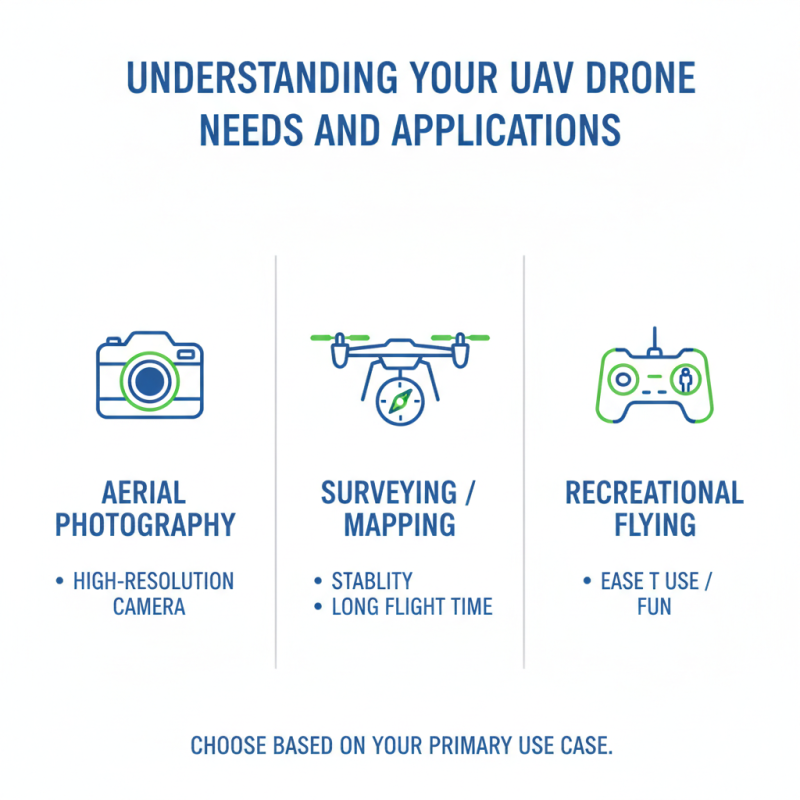
When selecting a UAV drone, understanding your specific needs is crucial. Consider what you will use the drone for: aerial photography, surveying, or recreational flying? Each application demands different features. For instance, high-resolution cameras are vital for photography. If your focus is on mapping, then stability and flight time become more important.
Think about the environment you will operate in. Will you fly in crowded areas or open fields? This factor influences the drone's size and maneuverability. Battery life is also essential. Some drones may promise lengthy flights but could fall short in real-world conditions.
Reflect on your skill level as well. Beginners might prefer user-friendly models with stable flight systems, while experienced pilots may seek advanced features. Don't shy away from researching online forums and expert reviews. User experiences often reveal hidden strengths or weaknesses in drones, guiding your final decision. Balancing your needs with the drone's capabilities is key.
Key Features to Consider When Choosing a UAV Drone
When choosing a UAV drone, several key features come into play. The first is flight time. Many drones offer a range from 20 to 60 minutes. This is crucial for tasks like surveying large areas or cinematic shoots. Yet, manufacturers often overestimate this time. Always check real user reviews.
Camera quality is another significant aspect. A drone with a 4K camera can deliver stunning visuals. However, image stabilization is vital to avoid shaky footage. Not all drones with high megapixels perform equally. Research various models for their real-world performance and user experiences.
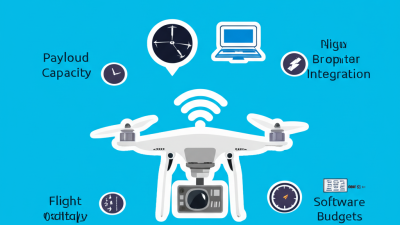
Payload capacity shouldn’t be overlooked. If you plan to carry additional equipment, ensure the drone can handle the weight. Some drones might look suitable at first glance but may struggle under actual use. Finally, consider ease of use. An intuitive interface is essential, especially for beginners. Read about others’ experiences to gauge how user-friendly a drone is. Proper research makes the selection process more rewarding.
Types of UAV Drones and Their Specific Use Cases
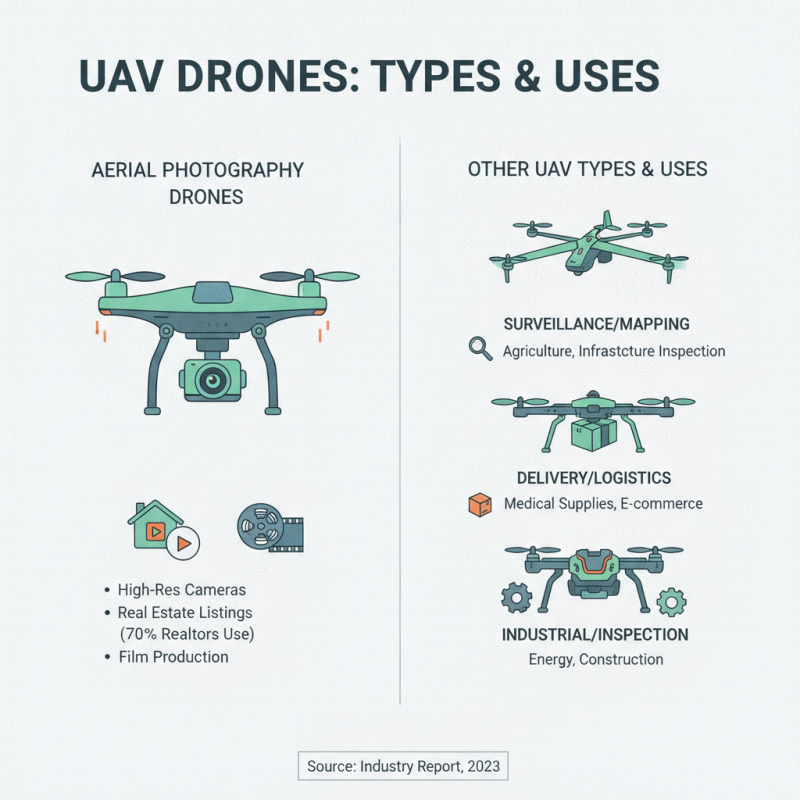
Unmanned Aerial Vehicles (UAV) come in various types, each suited for specific tasks. Drones designed for aerial photography are equipped with high-resolution cameras. Their use is prevalent in real estate and film production. A recent report indicates that over 70% of realtors now leverage drone imagery to enhance property listings.
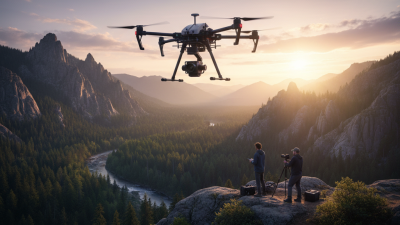
Another category is the surveying drones. These UAVs are essential for mapping and land assessment. According to industry data, the demand for surveying drones has increased by approximately 25% in the past year. Surveying drones can cover large areas efficiently and gather precise data, making them invaluable for construction projects.
Tips: When choosing a UAV, consider the payload capacity. A drone with a higher capacity can carry advanced sensors. This is crucial for specialized tasks like agriculture or environmental monitoring.
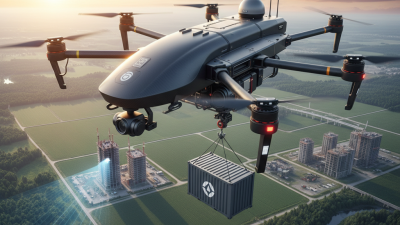
Freight drones have emerged as game-changers in logistics. They help in delivering goods, especially in remote areas. However, the technology is still evolving, leading to challenges in regulations and operational standards.
Every UAV serves a unique purpose. Understanding these details is crucial for making an informed choice. Conduct thorough research and evaluate your specific needs before investing in a drone.
Budgeting for Your UAV Drone Purchase: Costs and Value
When budgeting for a UAV drone, understanding costs is crucial. Many factors affect the price. Generally, entry-level models cost less, while advanced ones require more investment. It's tempting to opt for the cheapest options. However, this can lead to disappointments in performance or durability.
Additional costs may arise beyond the initial purchase. Accessories, spare batteries, and insurance can add up quickly. Consider these hidden expenses in your budget. If you're serious about drone use, investing in quality can yield better value over time. Researching reviews can help identify reliable models.
It's essential to reflect on your needs. Do you need a drone for hobby use or professional applications? Your intended use can guide your spending. Sometimes, the most expensive drone may not be the best choice. Striking a balance between price and features is key. Weighing your priorities can prevent regrets in the long run.
2026 UAV Drone Purchase Budget Overview
This chart illustrates the estimated costs associated with different types of UAV drones in 2026, based on various features and functionalities.
Reading Reviews and Comparisons for Informed Decisions
When choosing a UAV drone, understanding reviews and comparisons is crucial. A recent industry report indicates that 72% of buyers rely on reviews for decision-making. Reading firsthand experiences helps you assess the functionality of different models. It’s crucial to consider aspects like battery life, range, and camera quality.
Tips: Look for unbiased reviews from multiple sources. This diversifies your perspective and reveals both strengths and weaknesses of each model. Pay attention to user ratings that highlight common issues, even if they seem minor. Unexpected flaws can impact your overall experience.
Many reviews cite the importance of specific user needs. For instance, professionals might prioritize camera resolution, while hobbyists focus on ease of use. Comparing models helps identify your priorities. However, not all reviews are trustworthy. Some may lack detail or seem overly positive. Always cross-check facts to ensure you’re making an informed choice. Your analysis today shapes your drone experience tomorrow.