How to Choose the Best Drone UAV for Your Business Needs?
Choosing the right Drone UAV for your business is crucial. It can enhance efficiency and productivity. However, the options available can be overwhelming. From design to functionality, every aspect matters. A careful evaluation is essential for making an informed choice.
First, consider the specific needs of your business. Are you using it for photography, surveying, or inspections? Each application requires different features. Some drones excel in aerial imaging, while others offer robust data collection capabilities. Think about your goals, and explore what fits best.
Moreover, think about your budget and the long-term investment. The best Drone UAV may not always be the most expensive one. Evaluate the trade-offs carefully. Read reviews and seek expert opinions to ensure you are choosing wisely. This consideration will pay off in the long run. Making the right choice today will impact your success tomorrow.
Understanding Different Types of Drones and Their Applications
Drones have transformed various industries, offering innovative solutions for diverse applications. Understanding their types is crucial for choosing the right UAV for business needs. For instance, multi-rotor drones are popular for aerial photography and surveying. They can hover and capture high-quality images from various angles. According to a recent report by MarketsandMarkets, the commercial drone market is projected to grow at a compound annual growth rate of 23% from 2023 to 2028. This growth highlights the increasing demand for versatile UAVs across sectors.
Fixed-wing drones, on the other hand, excel in large area surveys and agricultural monitoring. They can cover more ground with less energy and are ideal for mapping projects. A study by the Association for Unmanned Vehicle Systems International (AUVSI) indicates that up to 70% of agricultural professionals plan to use drones to improve crop monitoring. However, these drones can be less maneuverable in tight spaces, which may pose a challenge for specific applications.
Specialized drones, like delivery drones, are also emerging. They promise efficiency in logistics, yet face regulatory hurdles. As industries adapt to new drone technologies, businesses must assess their unique requirements. This ensures effective use of UAVs. Understanding the strengths and weaknesses of each type ensures informed decisions and maximizes the benefits that drones can bring to various business models.
Drone Types and Their Applications
This bar chart illustrates the number of applications for various types of drones used in business settings. Multi-rotor drones are the most widely used, followed by fixed-wing drones, showcasing their popularity in diverse applications such as aerial photography, agriculture, and logistics.
Assessing Your Business Requirements for Drone Capabilities
When selecting a drone for business purposes, it’s essential to assess specific business needs. Different industries have varying requirements. For example, a construction company might prioritize real-time aerial surveying capabilities. According to a recent industry report, 70% of construction firms believe UAVs significantly enhance site monitoring and reporting.
Understanding the operational environment is crucial. Does your business operate in rural or urban settings? The drone's range and battery life will determine its effectiveness. A thorough examination of available payload capacity can also impact outcomes. For instance, drones used in agriculture may require larger payloads to carry sensors and imaging devices. Recent studies indicate that drone-assisted agriculture can increase crop yields by up to 15%.
Another critical aspect is compliance with regulations. Many businesses overlook this when making a choice. It’s vital to ensure that the selected drone adheres to local aviation laws. Balancing these considerations can be challenging. The right drone should align with business goals while also being practical and compliant. Each decision should reflect a deep understanding of both technology and sectorial nuances for optimal utility.
Key Features to Consider When Selecting a UAV
Choosing the right drone for your business can be daunting. Understanding key features is vital for making an informed selection. One of the primary aspects to consider is camera quality. A high-resolution camera enables detailed imaging. For industries like real estate or agriculture, this clarity is essential. Don’t just look at megapixels; assess the camera’s ability in low light conditions too.
Another important feature is flight time. Drones with longer battery life can cover larger areas or complete complex tasks without frequent interruptions. This can enhance productivity significantly. Remember, factors like weight and design also influence flight duration.
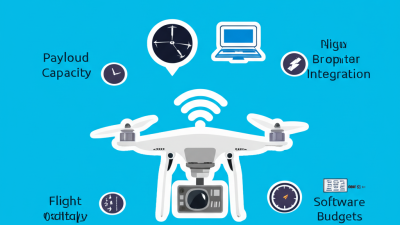
Tips: Focus on the available payload capacity. If you plan to carry additional equipment, ensure the drone can handle the extra weight. Additionally, look for user-friendly software. It should allow easy flight planning and data analysis. However, even the best drones have limitations. Understand these constraints to avoid potential pitfalls in your operations.
How to Choose the Best Drone UAV for Your Business Needs? - Key Features to Consider When Selecting a UAV
| Feature |
Description |
Importance Level |
| Flight Time |
Duration the drone can fly on a single charge, typically ranges from 20 to 40 minutes. |
High |
| Camera Quality |
Resolution and capabilities of the camera, important for photography and video, ranges from 1080p to 4K. |
High |
| Payload Capacity |
The maximum weight the drone can carry, necessary for specific equipment or sensors. |
Medium |
| Range |
Distance the drone can operate from the controller, varies between 1 to 10 kilometers or more. |
Medium |
| GPS and Navigation |
Features for precise positioning and autonomous flight capabilities, critical for mapping and surveying. |
High |
| Durability |
Resistance to environmental conditions like wind and rain; important for outdoor use. |
Medium |
| Price |
Cost of the drone and its components; varies widely based on features and performance. |
High |
Evaluating Budget Constraints and Financial Implications
When selecting a drone for your business, financial implications are crucial. Evaluate your budget carefully. Drones come in various price ranges, depending on features, specifications, and purposes.
A thorough analysis of your business needs will help you identify what you can afford without overextending your financial resources.
Tips: Always consider additional costs. Accessories like batteries, charging stations, and maintenance can add up. A cheaper initial investment may lead to higher long-term expenses.
Refer to consumer reports and expert reviews for insights into the total cost of ownership.
Operational efficiency often relates directly to expenditure. According to industry standards, investing in reliable technology can improve service delivery. Before purchasing, assess your business operations.
Identify the features that genuinely add value. Not all drones will meet every requirement. Prioritize based on real needs rather than appealing marketing claims.
Ensuring Compliance with Regulations and Safety Standards
When choosing a drone for your business, compliance with regulations is crucial. Different regions have varying laws on UAV operation. Ensure that your drone meets these rules. This includes weight restrictions, flight altitude limits, and geofencing requirements. Check local regulations regularly to stay updated.
Tip: Research your area’s UAV regulations thoroughly. Visit official government websites. They often provide resources and guides. Knowing the rules protects your investment and prevents potential fines.
Safety standards are also essential. Ensure your drone is equipped with necessary features, such as obstacle avoidance and fail-safe mechanisms. This will enhance safety during operations. Regular maintenance is key. A poorly maintained drone can pose safety risks.
Tip: Document your maintenance schedule. Track repairs and inspections diligently. This builds accountability and ensures that your drone operates reliably. Reflecting on past issues can help improve your approach. Safety cannot be taken lightly, especially with high-stakes business operations.