Commercial buyers are looking beyond compact quadcopters. Big Drones can carry heavier cameras, mapping sensors, or industrial payloads, but that lift comes with trade-offs in transport, battery planning, and crew workload. A machine that looks impressive on a landing pad may be impractical when crews must move it between remote sites.
The market is expanding, though broad figures need careful reading. Grand View Research estimated the global commercial drone market at $30.02 billion in 2024; that figure covers commercial drones generally, not large aircraft alone. The FAA’s 2024 aerospace forecast projected the U.S. commercial small-drone fleet could grow from about 412,000 in 2023 to 858,000 by 2028. These numbers signal growing adoption, not proof that every buyer needs a larger platform. Payload matters. So does the workday.
At AUVSI’s 2016 XPONENTIAL conference, then-FAA Administrator Michael Huerta described the moment this way: “We are at the dawn of a new era in aviation.” For commercial operators, that era is less about spectacle than reliable field performance. This guide compares seven Big Drones through practical buying questions: useful payload, flight endurance, deployment needs, data workflow, and support. Specifications can look clean on paper. Wind, setup time, and a tired crew are less tidy. Those details deserve a second look before a purchase decision.
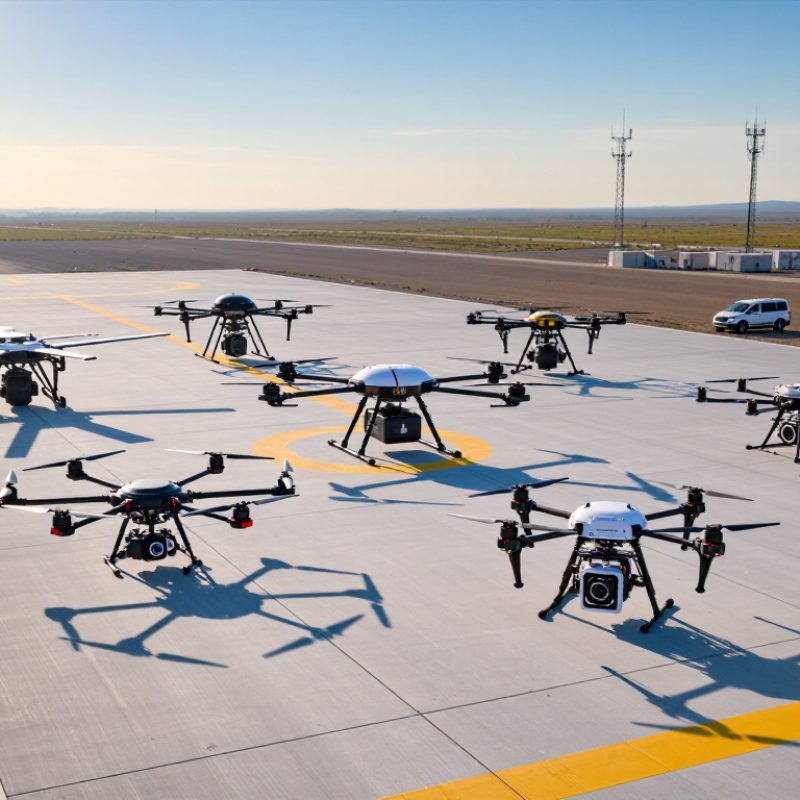
“Big” describes a working class, not a universal size category. Buyers usually mean a larger frame, higher takeoff weight, and capacity for substantial sensors or tools. Exact limits vary by design and operating conditions. A drone that feels large in a warehouse may still lack the endurance or payload a job requires.
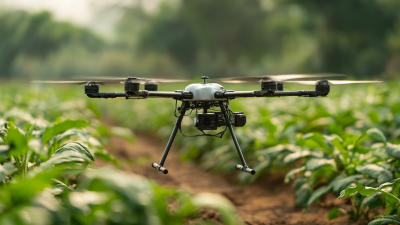
Commercial roles include mapping broad sites, inspecting tall structures, and monitoring crops. A heavier aircraft can carry a detailed camera or other specialized equipment, reducing repeat flights. On an inspection, that might mean capturing close views of a roof while keeping workers off ladders. Yet greater capacity brings trade-offs: transport takes more space, setup may take longer, and batteries and maintenance need careful planning. That sounds tidy on paper; field work rarely is. Wind, access, and crew experience can change the plan quickly.
Tips: Compare useful payload and flight time together, not as separate headline figures. Check how the aircraft packs into a vehicle, how long a battery takes to charge, and whether the crew can launch safely from the actual site. A short trial on representative work can reveal inconvenient gaps early.
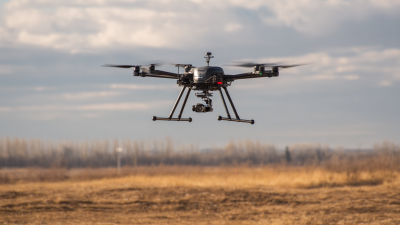
Large commercial drones should be judged by the work they can complete, not by their maximum advertised payload. Check the full takeoff weight, usable payload, and flight time with equipment attached. Payload matters. A drone rated for a heavy load may stay airborne only briefly when carrying a camera or sensor. Ask for test conditions, including wind, temperature, and battery age.
Match the aircraft to the job site. Measure takeoff and landing space, typical flight distance, and obstacles such as wires or roof edges. Review obstacle-sensing coverage, return-to-home behavior, and what happens after a lost connection. These features reduce risk, but they do not replace a trained operator or a site-specific plan. Test in a controlled area first. Small details count.
For recurring work, compare battery turnaround, charging time, spare-part availability, and maintenance access. A battery swap that takes two minutes can matter more than a small gain in top speed. Check whether flight logs and sensor data can be exported in formats your team can use. Ask for a demonstration with your actual payload. It is easy to overvalue a polished demo; real conditions are less tidy. Include training and repair costs in the purchase estimate, since those costs are often overlooked.
Seven leading big drones for commercial buyers in 2026 are best understood by the work they perform, not by size alone. Heavy-lift multirotors can carry survey sensors or specialized equipment across short sites. Long-endurance fixed-wing aircraft suit broad-area mapping. Hybrid vertical-takeoff designs combine runway-free launches with efficient forward flight. Each has trade-offs.
For close inspection, a large multirotor with a stabilized camera can hover beside roofs, towers, or industrial structures. Thermal-equipped platforms help locate heat patterns, but readings need trained interpretation. LiDAR-ready aircraft collect detailed terrain and vegetation data. Agricultural spraying platforms cover fields efficiently, though payload weight, droplet control, and maintenance deserve careful review. A transport-focused aircraft may serve scheduled delivery routes where operations are permitted.
Match the platform to payload, flight time, weather, and crew skills. Check actual endurance with the intended sensor installed; advertised figures may reflect lighter configurations. Ask for documented maintenance intervals, battery-cycle guidance, and support availability. Then assess training needs and lawful operating requirements for each worksite. Small details matter. A windy morning, muddy launch area, or delayed replacement battery can change a project plan. Bigger is not automatically better. I would compare completed mission results, not just a specification sheet, and accept that some numbers remain imperfect until tested in the field.
Payload comes first. A seven-kilogram rating means little if the aircraft must also carry a camera, thermal sensor, and spare battery. Compare usable payload with the full mission load, then check how wind and temperature affect flight time. Large multirotors may advertise 30 to 50 minutes unloaded; a heavy sensor package can cut that sharply. Minutes disappear fast. Fixed-wing aircraft can cover longer routes, but need suitable launch and landing space.
Range is not endurance. A long radio link does not guarantee a useful round trip with reserve power. The FAA’s 2024–2044 Aerospace Forecast projected the U.S. commercial small-drone fleet to grow from about 412,000 aircraft in 2023 to 955,000 by 2028. That forecast signals expanding use, but it does not establish the capabilities of larger work aircraft. Buyers should test real routes, payloads, and return reserves before purchase.
Operating costs include more than electricity or fuel. Budget for batteries, charging equipment, maintenance, training, insurance, and downtime; compare cost per completed job, not cost per flight. A two-hour inspection may require several short sorties and extra crew time. PwC’s 2016 “Clarity from Above” report estimated $127.3 billion in potential business-service and labor savings across industries. It is an opportunity estimate, not a promise of savings for any one fleet. Real-world results can be less tidy.
| Platform type | Typical useful payload | Typical flight time | Typical mission radius | Indicative aircraft and core-kit price (USD) | Estimated operating cost per flight hour (USD) | Good fit for |
|---|---|---|---|---|---|---|
| Enterprise multirotor, quadcopter | 1–2 kg (2.2–4.4 lb) | 35–45 minutes without a heavy payload | About 3–7 km (1.9–4.3 mi), subject to line-of-sight and local rules | $15,000–$35,000 | $20–$50 | Inspection, surveying, and imaging jobs that need a compact aircraft and quick deployment. |
| Industrial hexacopter | 3–6 kg (6.6–13.2 lb) | 25–35 minutes with a moderate payload | About 3–8 km (1.9–5 mi) | $30,000–$75,000 | $40–$100 | Carrying heavier cameras, sensors, or inspection equipment while retaining vertical takeoff and landing. |
| Heavy-lift octocopter | 8–15 kg (17.6–33 lb) | 15–25 minutes near maximum payload | About 2–6 km (1.2–3.7 mi) | $60,000–$150,000 | $90–$220 | Heavy sensors, specialist imaging rigs, and short-duration lifting tasks at a worksite. |
| Large cargo multirotor | 20–30 kg (44–66 lb) | 10–20 minutes near maximum payload | About 1–5 km (0.6–3.1 mi) | $120,000–$300,000 | $180–$450 | Short-range delivery and material transport where vertical takeoff, landing, and precise placement matter. |
| Hybrid VTOL fixed-wing aircraft | 2–5 kg (4.4–11 lb) | 60–120 minutes, depending on payload and conditions | About 15–50 km (9–31 mi) | $50,000–$150,000 | $35–$110 | Large-area mapping or inspection missions that need runway-free launch and longer endurance. |
| Conventional fixed-wing survey aircraft | 1–3 kg (2.2–6.6 lb) | 90–180 minutes, depending on payload and conditions | About 25–80 km (16–50 mi) | $25,000–$100,000 | $25–$85 | Covering broad survey areas efficiently when a suitable launch and recovery site is available. |
| Tethered multirotor system | 2–5 kg (4.4–11 lb) | Several hours to continuous operation while tethered to ground power | Typically limited by a 100–300 m (330–980 ft) tether | $25,000–$90,000 | $15–$60 | Persistent, stationary observation or communications support at a fixed site. |
These are indicative 2026 planning ranges for unbranded commercial platform types, not guaranteed specifications for individual aircraft. Payload, endurance, and range vary with configuration, weather, altitude, battery age, and operating procedures. Mission radius is an approximate operational planning figure, not a permission to fly beyond visual line of sight or outside applicable regulations. Operating-cost estimates include energy, routine maintenance, and battery or power-system wear; they exclude pilot labor, insurance, permits, payload equipment, and major repairs.
A large drone should be chosen for the work it must repeat, not its maximum payload alone. Grand View Research valued the global commercial drone market at $30.02 billion in 2023 and projected 10.6% annual growth through 2030. That growth does not make every heavy aircraft a sound investment. Payload is not everything. Measure the complete load, including sensors, batteries, and safety equipment, then check whether the aircraft can still meet the required flight time.
Match the platform to the site. A utility inspection crew may need stable imaging in gusts, while a construction team may prioritize efficient coverage over uneven ground. Record wind, temperature, takeoff weight, battery use, and useful flight time during controlled trials. The FAA’s 2024–2044 Aerospace Forecast tracks continued expansion of commercial small-drone operations in the United States; rising use makes repeatable procedures more important, not less. Test before scaling. One weak link can erase the value of a large payload.
Before deployment, map launch and recovery areas, define who can stop a flight, and plan for lost links or early landings. Confirm that staff can transport, charge, and maintain the aircraft between shifts. Check applicable aviation, privacy, and site rules before each operation; requirements differ by location. Keep records. Battery aging, weather, and crew experience can change performance, so early results should be treated as estimates, not promises. A practical choice may feel less impressive on paper, but work better on a wet Tuesday with a short crew.