What is an X Wing Drone and How Does It Work?
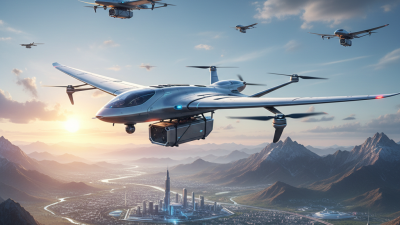
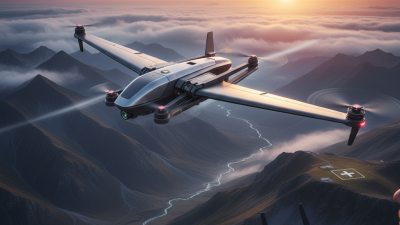
The X Wing Drone represents a significant advancement in drone technology. Its unique design echoes the iconic starfighter from popular culture, which captures the imagination of many. This drone is not just about aesthetics; it incorporates cutting-edge engineering to enhance performance. Equipped with powerful motors, it can execute complex maneuvers with ease.
Understanding how the X Wing Drone works is essential for enthusiasts and professionals alike. The drone utilizes advanced sensors and software for navigation and stability. These features make it suitable for various applications, from aerial photography to recreational flying. However, there are still challenges to overcome. The reliability of the technology can vary, leading to unanticipated issues during operation.
The X Wing Drone calls for careful consideration of its capabilities and limitations. As more users engage with this technology, feedback is crucial for its continuous improvement. Addressing imperfections in design and functionality remains an ongoing journey. Embracing these aspects can ultimately lead to a better understanding of how to maximize the potential of the X Wing Drone.
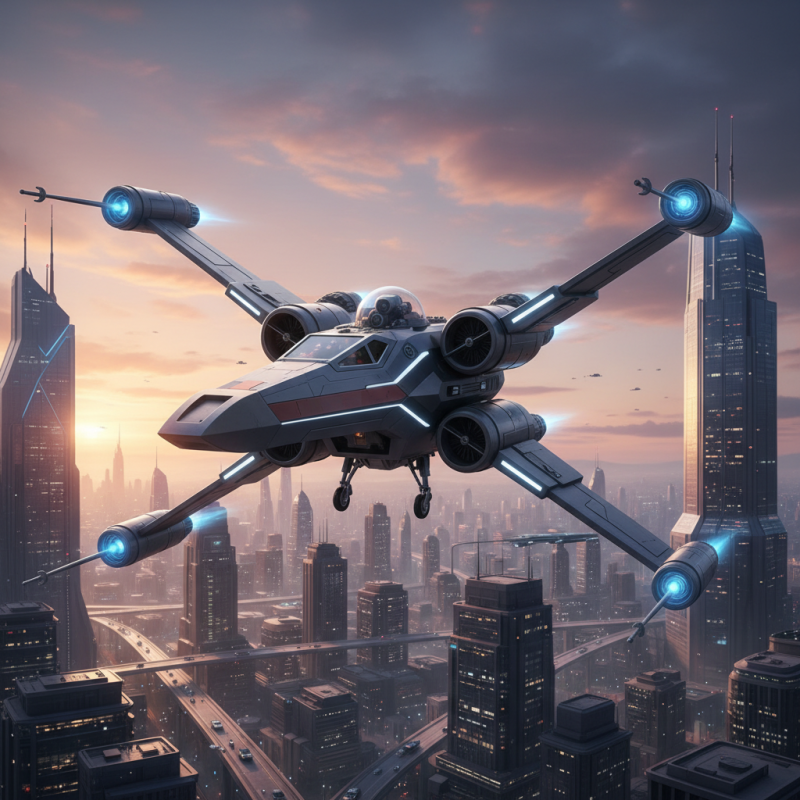
What Is an X Wing Drone? Overview of Its Design and Purpose
The X Wing drone is an innovative aerial system designed for versatility and efficiency. Its unique design allows for multi-functional applications, from surveillance to delivery. Weighing approximately 2.5 kg, it features a durable carbon-fiber frame, ensuring both lightweight performance and robust resilience.
According to a recent industry report, the global drone market is projected to grow by 20% annually, underscoring the increasing reliance on drones like the X Wing for various sectors.
The drone's performance is enhanced by its quadcopter configuration, enabling stability and maneuverability. It boasts a flight radius of about 5 km, making it suitable for urban operations. Equipped with high-definition cameras, it provides real-time data and analytics for various industries.
Despite these advantages, challenges remain. Weather conditions often affect flight stability, and regulations can hinder operational freedom. These factors call for ongoing research and adaptation within the drone industry to optimize effectiveness and compliance.
Key Features of X Wing Drones: Aerodynamics and Stability Metrics
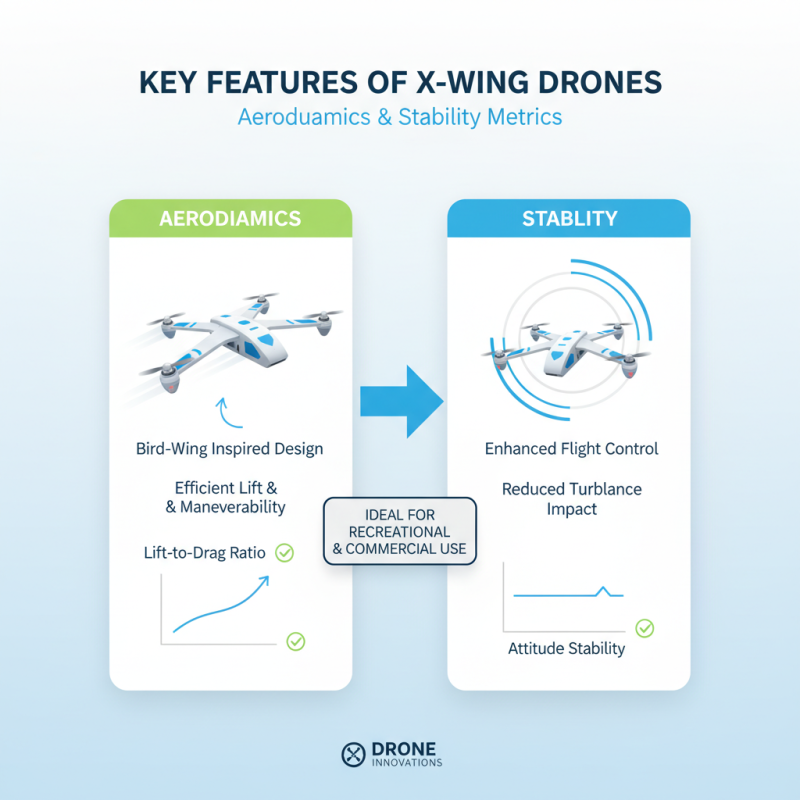
X Wing drones are becoming increasingly popular in various industries. Their design focuses on aerodynamics and stability. This makes them ideal for both recreational and commercial use. The unique shape mimics the wings of a bird, allowing for efficient lift and maneuverability.
Aerodynamics is a critical feature of X Wing drones. The wing design enhances airflow, reducing drag. This leads to longer flight times and improved energy efficiency. Pilots can experience smoother flights, even in challenging weather conditions. Stability metrics are another essential aspect. Advanced sensors and algorithms help maintain balance during flight. They can adapt to sudden gusts of wind, which is vital for aerial photography or delivery missions.
However, challenges exist. Frequent battery discharges can limit flight duration. Weather impacts can also affect stability metrics. Some users may notice a learning curve when piloting these drones. For beginners, mastering controls can take time. Addressing these areas for improvement can enhance the overall experience with X Wing drones.
How X Wing Drones Operate: Understanding Their Flight Mechanics
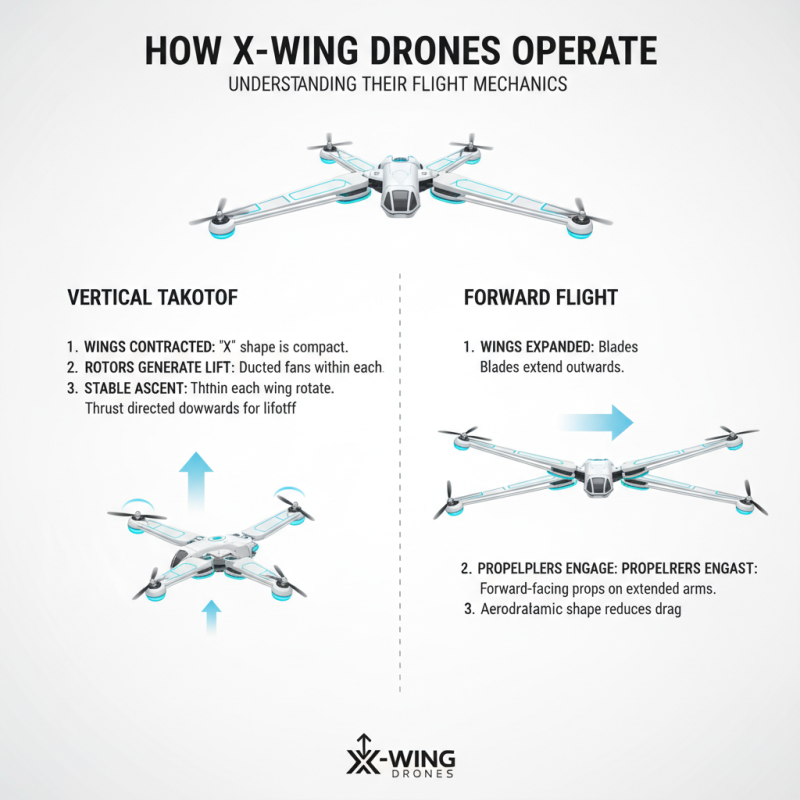
X Wing drones are fascinating machines designed for versatile flight. Their unique shape resembles an "X", which influences their mechanics. Unlike traditional quadcopters, these drones typically have articulated wings that expand and contract. This design enables them to achieve both vertical takeoff and stable, high-speed forward flight.
The operation of X Wing drones relies on advanced aerodynamics. The wings utilize various control surfaces, allowing for agile maneuvering. Each wing can tilt independently, giving the drone the ability to navigate complex environments. Piloting such a drone requires skill and practice, as precise adjustments are crucial for optimal performance.
While X Wing drones can provide impressive capabilities, they also present challenges. Operators must continually assess battery life and environmental conditions. Misjudgments can lead to unexpected crashes or loss of control. Learning to master these drones can take time, and even for experienced users, there is always room for improvement. Each flight offers valuable lessons and opportunities for growth.
Applications of X Wing Drones in Various Industries and Sectors
X Wing Drones are transforming various industries with their unique capabilities. In agriculture, these drones assist farmers in monitoring crop health. They can cover vast fields quickly, gathering data on soil and plant conditions. This precision helps farmers make informed decisions, but technology does not replace traditional farming expertise.
In the construction sector, X Wing Drones play a critical role. They provide real-time aerial views of job sites. This oversight improves safety and efficiency during the building process. However, reliance on technology can lead to underestimating human insight on the ground. The challenge lies in balancing drone data with on-site experience.
Logistics companies are exploring X Wing Drones for last-mile deliveries. They promise faster service and reduced traffic impact. Yet, regulatory hurdles and public acceptance remain significant hurdles. The potential benefits are clear, but there are risks in embracing a new delivery method too quickly. Each application shows promise, but careful consideration is essential in implementing these advanced technologies.
What is an X Wing Drone and How Does It Work? - Applications of X Wing Drones in Various Industries and Sectors
| Industry |
Applications |
Benefits |
Challenges |
| Agriculture |
Crop monitoring, precision agriculture |
Increased yield, reduced waste |
Regulatory issues, initial costs |
| Construction |
Site surveying, project monitoring |
Improved planning, real-time data |
Safety concerns, skill requirements |
| Emergency Services |
Disaster response, search and rescue |
Faster response time, aerial oversight |
Weather limitations, battery life |
| Logistics |
Last-mile delivery, inventory management |
Cost efficiency, reduced delivery times |
Regulatory compliance, privacy issues |
| Telecommunications |
Cell tower inspections, infrastructure monitoring |
Reduced maintenance costs, quick assessments |
Equipment reliability, data security |
Future Trends: Innovations and Advancements in X Wing Drone Technology
The X Wing Drone represents a leap in drone technology. Recent studies project that the global drone market will reach $41.3 billion by 2026, with innovations like the X Wing playing a key role. These drones offer an understanding of aerodynamics and efficiency, featuring a unique wing design that enhances flight stability and performance.
Emerging advancements focus on autonomous navigation. The integration of AI allows for real-time decision-making, improving operational safety. Research indicates that autonomous drones will dominate 70% of the market by 2025. However, challenges remain. Reliability in complex environments is still a concern. As industries adopt these technologies, the necessity for robust frameworks becomes essential. Balancing these innovations with safety protocols is critical for future growth.
X Wing Drone Innovations and Advancements