Top 10 Thermal Imaging Drones for Your Buying Guide?
Thermal Imaging Drones are revolutionizing various industries. They provide a unique perspective in materials inspection, search and rescue, and wildlife monitoring. These drones use advanced technology to capture heat signatures. This capability enhances situational awareness dramatically.
In the competitive market of thermal imaging drones, it is essential to know your options. Not all models meet the rigorous demands of professional users. Features such as sensor quality, flight time, and ease of use can vary greatly. Some drones excel in low-light conditions while others struggle. Each model presents its strengths and weaknesses, urging buyers to reflect on their specific needs.
Choosing the right Thermal Imaging Drone requires careful consideration. Potential buyers should look beyond fancy advertisements. Real user experiences and expert reviews are invaluable. Understanding the technology behind thermal imaging helps make informed choices. Embrace the challenge of selecting the best drone for your unique applications. Remember, the right choice empowers your mission effectively.
Essential Features to Consider for Thermal Imaging Drones
When exploring thermal imaging drones, several essential features stand out. These drones primarily rely on specialized sensors that detect infrared radiation. The quality of thermal sensors is crucial, as it significantly impacts image clarity. Drones equipped with higher-resolution sensors can distinguish heat signatures more effectively. A report from the Drone Industry Insights indicates that 30% of users prefer drones with sensors exceeding 640x480 pixels for improved detail in thermal imaging.
Battery life plays a critical role as well. Drones should provide at least 30 minutes of flight time for comprehensive monitoring tasks. According to a survey conducted by the Association for Unmanned Vehicle Systems International, battery efficiency is a primary concern for 50% of thermal drone operators. The ability to conduct longer missions without frequent recharging can enhance operational reliability.
Another vital aspect is the integration of real-time video streaming. This feature allows operators to analyze data instantly. Live feeds can assist in quick decision-making, especially in emergencies. However, not all drones offer seamless streaming capabilities. It raises questions about potential delays in data transfer. Users should carefully evaluate the latency in video feed as it can impact real-time assessments. Having a clear understanding of these features is essential for making informed purchasing decisions in the thermal imaging drone market.
Top 10 Thermal Imaging Drones: Features Comparison
Top Brands in Thermal Imaging Drones: A Overview
When exploring the world of thermal imaging drones, key players shine brightly. Each brand brings unique features to the table. Understanding these brands can guide your purchasing decision effectively. Some specialize in user-friendly designs, ensuring even beginners can successfully operate them. Others focus on advanced capabilities, appealing to professionals in heavy industries.
Quality in thermal imaging technology often comes down to reliability and precision. Many brands incorporate high-resolution sensors that capture heat signatures clearly, even in low visibility. This technology is crucial for applications like search and rescue, building inspections, and wildlife monitoring. However, these advanced features can come with caveats; the cost might be significantly higher.
Exploring the thermal imaging drone market reveals constant innovation. Some brands prioritize ruggedness, ideal for harsh environments. Others emphasize portability, making them easy to transport. However, not all options balance performance and price effectively. Relying solely on brand reputation without hands-on experience might lead to disappointment. Therefore, it's critical to evaluate personal needs against the specific offerings of each brand.
Top 10 Thermal Imaging Drones for Your Buying Guide
| Model |
Camera Resolution |
Flight Time (min) |
Control Range (m) |
Weight (kg) |
Price (USD) |
| Model A |
640 x 512 |
35 |
3000 |
1.2 |
2500 |
| Model B |
320 x 240 |
25 |
2000 |
1.8 |
1500 |
| Model C |
1280 x 960 |
30 |
4000 |
1.5 |
3000 |
| Model D |
640 x 512 |
45 |
3500 |
1.0 |
4500 |
| Model E |
640 x 480 |
50 |
5000 |
1.4 |
1600 |
| Model F |
384 x 288 |
40 |
1500 |
1.6 |
2000 |
| Model G |
640 x 512 |
55 |
3000 |
1.3 |
3500 |
| Model H |
1280 x 720 |
45 |
2500 |
1.1 |
1800 |
| Model I |
640 x 512 |
60 |
4000 |
1.7 |
4200 |
| Model J |
640 x 640 |
55 |
3000 |
1.9 |
3800 |
Comparative Review of the Leading Thermal Imaging Drones
When selecting a thermal imaging drone, understanding the unique features of each option is crucial. Drones equipped with advanced thermal sensors can distinguish heat signatures, proving invaluable for search and rescue missions, wildlife monitoring, and building inspections. The resolution of the thermal camera can significantly impact the clarity of the images. Higher resolutions allow for more precise analysis, enabling operators to detect smaller anomalies effectively.
Battery life is another essential factor. Some drones offer limited flight times, which may hinder your ability to cover larger areas. It's important to consider how long a drone can operate in the field before needing a recharge. Additionally, flight range can vary significantly among models. A drone with an extended range provides greater flexibility for capturing thermal data in hard-to-reach locations.
User interface is also worth noting. A complex interface can slow down operations, particularly during critical moments. Some drones provide intuitive controls, making them easier to operate for both beginners and professionals. Reflecting on your specific needs will help you choose the right drone for your tasks. Balancing these factors can be challenging, but it is essential for optimizing your purchasing decision.
Applications of Thermal Imaging Drones in Various Industries
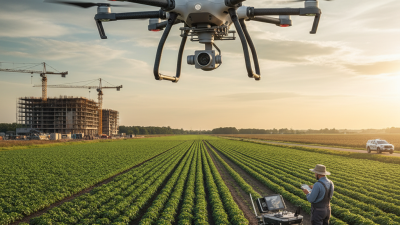
Thermal imaging drones have gained significant traction across various industries due to their unique capabilities. In agriculture, they help monitor crop health by detecting temperature variations. A report from MarketsandMarkets states that 75% of farmers using thermal imaging saw a 20% increase in yield. They identify areas needing water or nutrients, enhancing overall efficiency.
In the construction industry, these drones improve safety and reduce costs. They can locate heat leaks in buildings, potentially saving 15% on energy bills. Utilizing thermal imaging assists in identifying structural issues before they escalate into costly problems. The data from a recent industry study indicates that 60% of construction companies are now integrating such technology into their workflows.
For emergency services, thermal imaging drones play a crucial role. They are instrumental in search and rescue operations. The ability to see through smoke or darkness allows teams to locate individuals more quickly. A study noted a 30% reduction in search times when utilizing these drones. This technology enables first responders to act faster, ultimately saving lives.
When considering thermal imaging drones, keep in mind the level of training for operators. More experience can lead to better outcomes. Understanding the specific environmental challenges can greatly impact operation success. Drones need calibration and understanding their capabilities before deployment. Regular assessments ensure they perform at optimal levels, while also reducing risks and mistakes.
Budget Considerations and Buying Tips for Thermal Imaging Drones
When considering thermal imaging drones, budget plays a crucial role in your decision-making process. Understanding your needs will help you allocate funds effectively. For basic tasks, lower-cost options can suffice. However, for specialized applications like search and rescue, investing more is essential. Look at the features included. High-resolution cameras and longer flight times often come with higher price tags. Assess whether these features are necessary for your intended use.
Another vital factor is additional costs. Beyond the initial purchase, think about accessories and maintenance. Batteries, software updates, and training can add up quickly. Set aside a portion of your budget for these essentials. Many users underestimate the learning curve associated with thermal imaging technology. Investing time in learning how to operate the drone effectively can maximize its utility.
Consider the trade-offs between price and performance. A cheaper drone may not perform well in challenging conditions. It's essential to strike a balance and recognize that sometimes, spending a bit more leads to greater long-term value. Prioritize reliability and the features that truly matter for your projects. Take time to read reviews and gather insights from experienced users. This can help you avoid common pitfalls and make a more informed decision.