Top 10 Benefits of UAVs: How Unmanned Aerial Vehicles Are Changing Industries
Unmanned Aerial Vehicles (UAVs) have emerged as transformative tools across various industries, revolutionizing the way tasks are accomplished and strategies are formulated. With their ability to operate with high precision and efficiency, UAVs are not merely a technological marvel but a driving force reshaping sectors such as agriculture, construction, logistics, and surveillance. As the adoption of UAV technology continues to accelerate, understanding the benefits it brings becomes increasingly important for organizations seeking to enhance their operational capabilities.
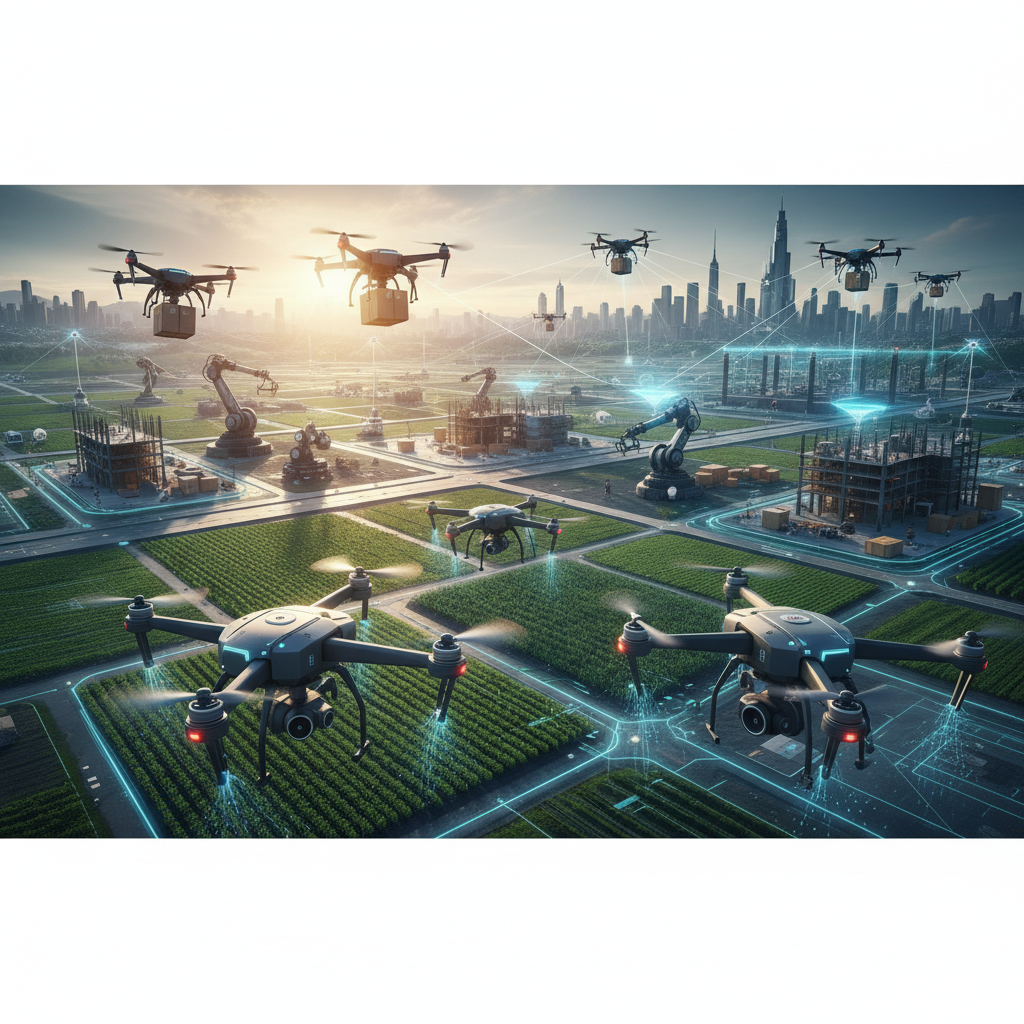
The integration of UAVs into industry practices opens up new avenues for innovation and productivity. From aerial surveying to crop monitoring, these unmanned aerial vehicles provide critical data that supports informed decision-making and strategic planning. By eliminating the need for traditional methods that can be time-consuming and costly, UAVs significantly streamline processes, leading to substantial cost savings and improved outcomes. In this exploration of the top ten benefits of UAVs, we delve into how these remarkable devices are changing the landscape of various fields and why their growing prevalence signals a pivotal shift in operational methodologies.
Overview of UAVs and Their Evolution in Technology
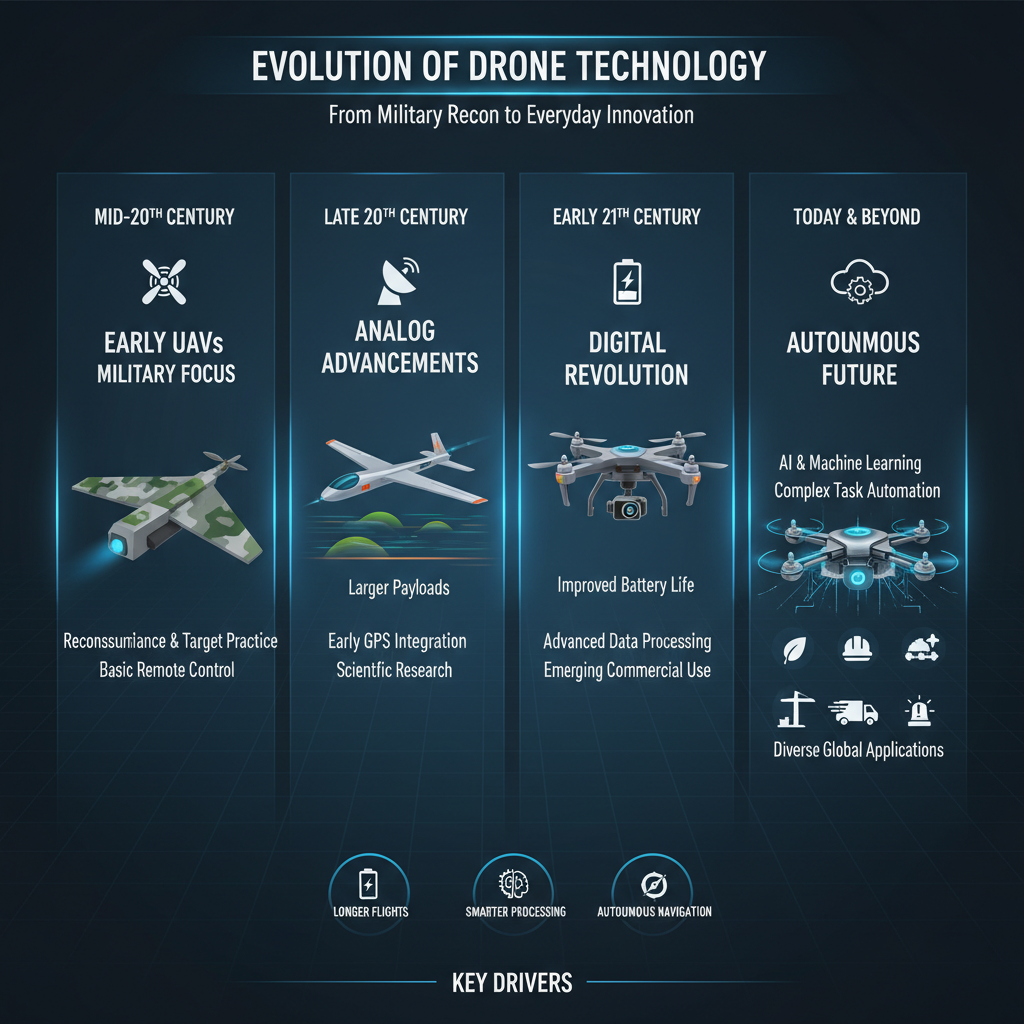
Unmanned Aerial Vehicles (UAVs), commonly known as drones, have evolved significantly since their inception in the mid-20th century. Initially designed for military reconnaissance and target practice, UAV technology has advanced remarkably, now finding applications in various sectors such as agriculture, construction, logistics, and emergency services. The evolution of UAVs has been driven by improvements in battery life, data processing capabilities, and autonomous navigation systems, allowing them to perform complex tasks that were once thought to be impossible.
Tip: When considering the implementation of UAVs in your industry, start with a clear understanding of your specific needs and objectives. This will help you choose the right type of drone and ensure effective integration into your operations.
Moreover, the rise of UAVs has been bolstered by advances in regulations and public acceptance, with many countries creating frameworks to facilitate their use. Innovations such as real-time data analytics and machine learning have also enhanced the functionality of drones, allowing for better decision-making and increased efficiency in various applications. This technological evolution illustrates how UAVs are not just a fleeting trend, but a transformative force across multiple industries.
Tip: Stay updated on the latest technological advancements and regulatory changes concerning UAVs. This knowledge will ensure that your organization remains competitive and compliant as the industry continues to evolve.
Key Industries Leveraging UAV Technology for Enhanced Operations
Unmanned Aerial Vehicles (UAVs) are revolutionizing various industries by enhancing operational efficiency, safety, and economic viability. In agriculture, UAVs are employed for precision farming, allowing farmers to monitor crop health, manage irrigation, and optimize pesticide usage. The ability to gather real-time data facilitates informed decision-making, ultimately leading to increased yields and reduced waste. For instance, farmers can use high-resolution cameras and multispectral sensors to detect areas that require attention, which traditional methods might overlook.
In the construction sector, UAVs streamline project management by providing aerial site surveys and monitoring progress. This technology not only accelerates the planning phase but also minimizes costs associated with manual inspections. Moreover, UAVs can assess structural integrity from the air, ensuring compliance with safety regulations.
Tip: To maximize the benefits of UAV technology in your industry, consider integrating data analytics tools. This combination can enhance the effectiveness of the data collected by UAVs, transforming raw information into actionable insights.
In emergency services, drones offer critical support by quickly mapping disaster zones and delivering medical supplies. Their ability to access hard-to-reach areas can significantly enhance response times, ultimately saving lives. As these applications expand, industries continue to discover innovative ways to incorporate UAVs into their operations, making the potential for growth and adaptation vast.
Tip: When implementing UAV technology, ensure proper training for your team. Familiarity with drone operation and data interpretation is essential for maximizing the positive impact on your business processes.
Cost Efficiency Achieved Through UAV Implementation in Various Sectors
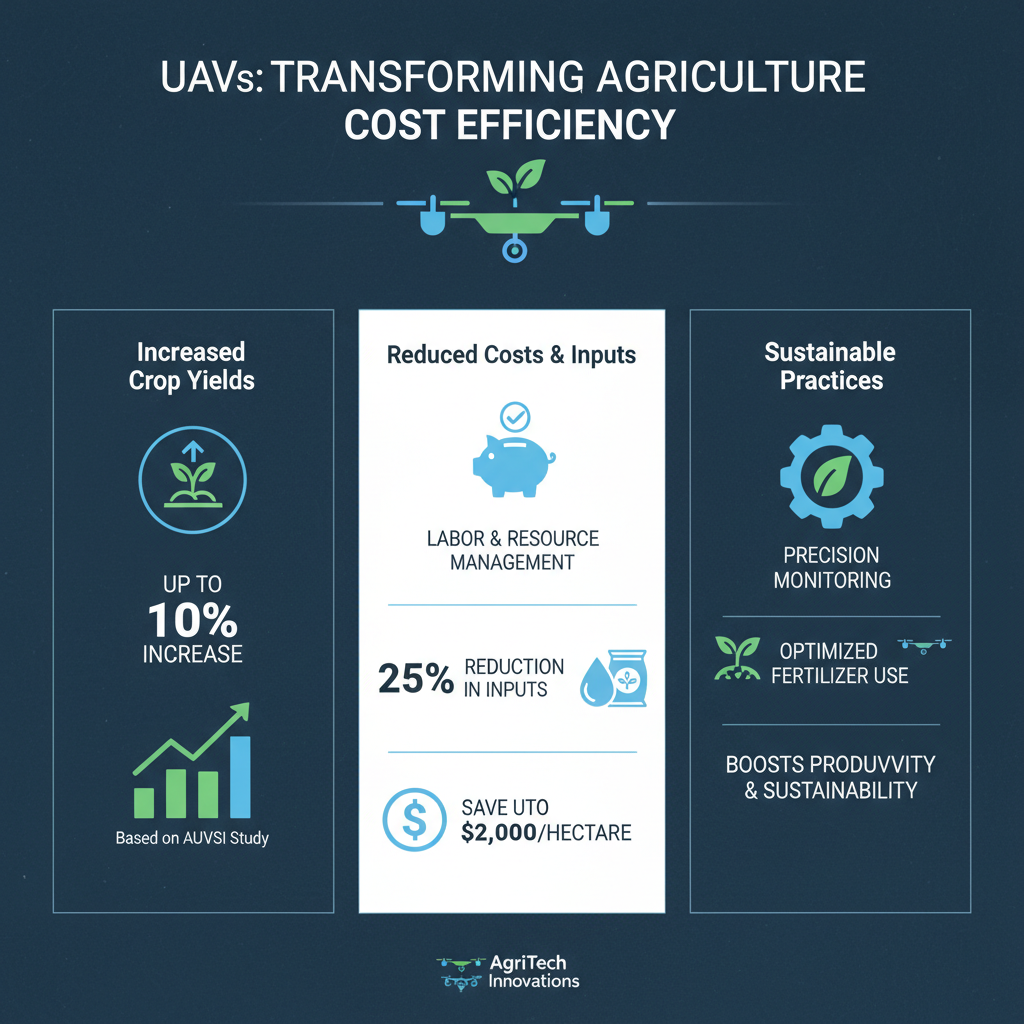
Unmanned Aerial Vehicles (UAVs) have significantly transformed various sectors by enhancing cost efficiency. In agriculture, for example, a study by the Association for Unmanned Vehicle Systems International (AUVSI) reveals that drones can increase crop yields by up to 10% while reducing costs associated with labor and resource management. UAVs facilitate precise monitoring of crop health and usage of fertilizers, leading to a 25% reduction in inputs and savings of up to $2,000 per hectare for farmers. This innovative approach not only boosts productivity but also supports sustainable practices.
Similarly, in the construction industry, a report by McKinsey & Company highlights that drone technology can reduce site survey time by 75% and deliver highly accurate data for project planning and execution. By streamlining operations and minimizing delays, construction firms can save as much as $1.2 million per project. Additionally, real-time aerial imagery helps in better decision-making, thereby preventing costly mistakes that could arise from inaccurate measurements or inadequate inspections. As industries continuously seek to optimize their operations, UAVs offer a compelling case for integrating technology to achieve significant cost savings.
UAVs in Agriculture: Revolutionizing Farming Practices and Monitoring
Unmanned Aerial Vehicles (UAVs) are increasingly transforming agricultural practices, offering innovative solutions that enhance efficiency and productivity. According to a report by MarketsandMarkets, the agricultural drone market is projected to reach $4.2 billion by 2026, growing at a CAGR of 30.5%. This surge is driven by the extensive capabilities UAVs bring to precision farming, allowing farmers to monitor crop health through real-time aerial imagery. Drones equipped with multispectral sensors can detect variations in crop growth, enabling timely interventions that can increase yields by up to 10% while reducing resource waste.
Moreover, UAVs facilitate data-driven decision-making, a critical component of modern agriculture. The integration of drone technology with data analytics allows for advanced crop analysis and field mapping. According to a study published in the Journal of Precision Agriculture, the use of drones for crop scouting can lower operational costs by 15% while improving the accuracy of yield predictions. This innovative approach not only aids in pest and disease management but also supports sustainable farming practices by optimizing irrigation and minimizing chemical usage, thus promoting environmental stewardship in agriculture.
UAV Applications in Disaster Management and Emergency Response Operations
Unmanned Aerial Vehicles (UAVs), commonly known as drones, have significantly transformed disaster management and emergency response operations. Their ability to quickly survey affected areas allows first responders to assess damage and prioritize their resources efficiently. UAVs can provide real-time aerial imagery, which is invaluable during a disaster scenario, enabling decision-makers to understand the scale and nature of the crisis.
One crucial tip for organizations using UAVs in emergencies is to ensure that they are equipped with various sensors. Thermal imaging can identify hotspots in fire situations, while LiDAR technology may help in mapping debris and identifying safe access routes. Additionally, regular training for operators is essential; understanding the equipment’s capabilities and limitations can drastically improve operational efficiency during high-pressure situations.
Moreover, integrating UAVs with existing emergency response systems can create a more cohesive approach to disaster management. Tips for effective integration include establishing communication protocols between UAV operators and on-ground teams, ensuring that drone data is streamlined into emergency planning tools, and conducting joint training exercises. By fostering collaboration between technology and emergency services, UAVs can enhance overall disaster response effectiveness.