Top Tips for Choosing the Best Thermal Imaging Drone?
Choosing the right Thermal Imaging Drone can significantly impact various industries, from agriculture to search and rescue. A report from ResearchAndMarkets suggests that the thermal imaging drone market is expected to grow by over 15% annually, driven by advancements in technology and increased demand for aerial surveillance. Industry expert Dr. Emily Carson emphasizes, “Selecting the right drone is crucial for maximizing the efficiency of thermal inspections.”
Thermal Imaging Drones offer unique benefits, such as detecting heat patterns and identifying issues invisible to the naked eye. These capabilities are vital for sectors like construction, where pinpointing heat loss can save resources. However, the market is flooded with options. Many buyers struggle to differentiate between models. Some may focus solely on specifications without considering operational needs.
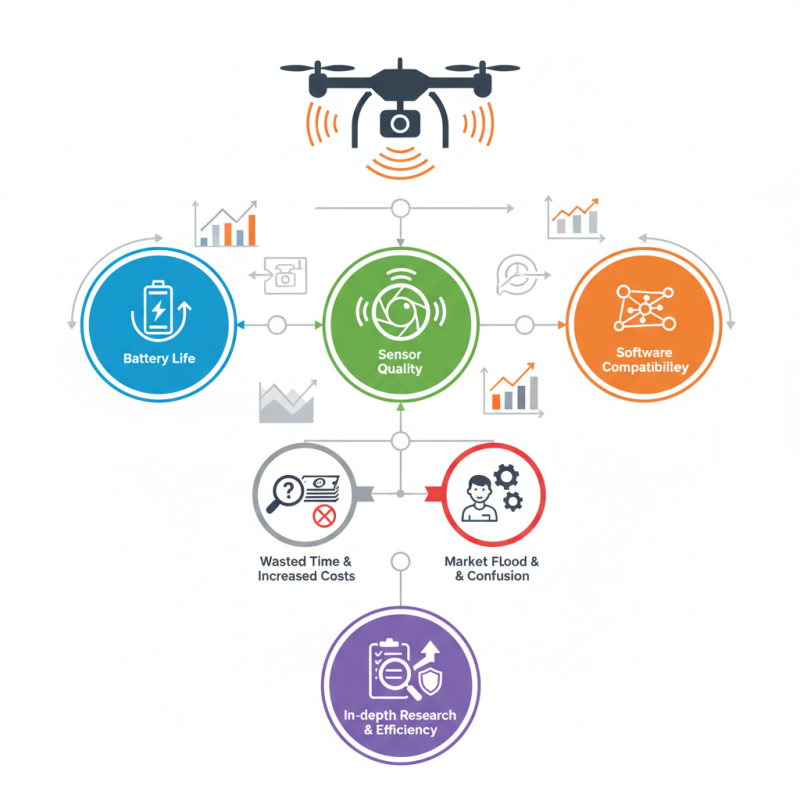
A thorough understanding of the required features is essential. Buyers should assess factors like battery life, sensor quality, and software compatibility. Not all drones meet every need. A poorly chosen Thermal Imaging Drone can lead to subpar results, wasted time, and increased costs. Thus, it is critical to conduct in-depth research before making a decision.
Understanding Thermal Imaging Technology in Drones
Thermal imaging technology in drones has transformed various industries. This technology allows drones to detect heat signatures. By capturing infrared radiation, drones can visualize thermal differences in an environment. For example, they can identify heat leaks in buildings or locate wildlife at night.
Understanding how thermal cameras work is essential for effective use. These cameras convert thermal energy into visible images. The resulting visuals display different colors to represent various temperatures. The clarity of these images can vary depending on environmental conditions. Factors like humidity and distance may impact accuracy.
Users should consider resolution and sensitivity in thermal cameras. Higher resolution offers clearer images, which aids in analysis. Sensitivity determines how well a camera can differentiate small temperature changes. Adequate training can enhance proficiency in interpreting thermal imagery. However, improper use or lack of knowledge can lead to incorrect conclusions. Emphasizing practical understanding, rather than just theoretical knowledge, is crucial in this field.
Key Features to Consider When Selecting a Thermal Imaging Drone
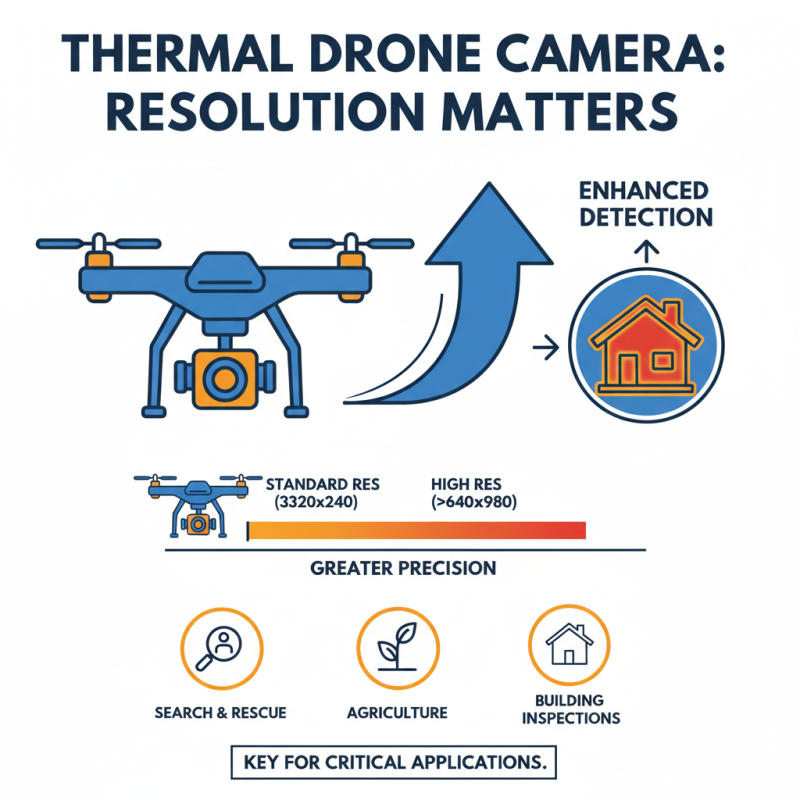
When selecting a thermal imaging drone, key features play a vital role. The sensor resolution is crucial. Higher resolution provides clearer images. A resolution of at least 640x480 pixels is recommended for effective results. This clarity aids in object detection and analysis.
According to a recent industry report, drones with better sensors can improve inspection efficiency by 30% or more.
Another important factor is the thermal sensitivity of the drone. A lower thermal sensitivity rating, ideally below 50 mK, allows users to detect smaller temperature differences. This is particularly valuable in applications like electrical inspections or wildlife studies. As noted by drone industry experts, enhanced thermal sensitivity leads to more accurate data gathering.
Flight time and range should also be considered. Most thermal drones offer a flight time between 20 to 40 minutes. However, environmental factors can impact performance. Choosing a drone with extendable battery options can mitigate this issue. In real-world scenarios, a good range ensures effective coverage of large areas without constant recharging. As technology evolves, balancing these features with budget constraints is an ongoing challenge for users.
Assessing the Importance of Camera Specification and Resolution
When selecting a thermal imaging drone, camera specification and resolution are crucial. A high-resolution thermal camera significantly enhances the detection of heat signatures, especially in challenging environments. According to market studies, drones with resolutions exceeding 640x480 pixels can detect thermal anomalies with greater precision. These specifications are essential for applications in search and rescue, agriculture, and building inspections.
However, it's not just about resolution. The thermal sensitivity of the camera plays a vital role. A sensor with a noise equivalent temperature difference (NETD) of less than 50 mK is ideal for detecting slight temperature variations. This level of sensitivity allows for better differentiation of objects in the field. Many users overlook this aspect, focusing solely on resolution while neglecting the sensor's ability to capture subtle thermal details.
In the field, real-world testing often reveals shortcomings in expected performance. Users frequently find that ideal specifications do not always translate into practical efficacy. Ambient conditions can affect thermal readings, leading to misinterpretations. It's essential to evaluate how the desired camera specs hold up under varying environmental circumstances to avoid flawed conclusions. Familiarizing oneself with these complexities can lead to better decision-making.
Evaluating Flight Time and Battery Life for Optimal Performance
When selecting a thermal imaging drone, it's crucial to consider flight time and battery life. These elements significantly impact the drone's performance. A longer flight time allows for a more extensive survey area in a single outing. Ideally, you want a drone that can fly for at least 30 minutes on a single charge. This gives you the freedom to capture high-quality thermal images without frequent interruptions.
Battery life can vary widely between different models. Some drones come with swappable batteries, allowing for quick changes. Others may limit your operational time due to fixed batteries. A drone with a longer-lasting battery will often provide better value, but it may come at a higher initial cost. Assess your needs carefully. Are you working on small projects or large search and rescue missions? Your answer will dictate the importance of each parameter.
Reflect on your priorities. Do you value extended flight times over high-quality imaging, or are both equally important? The trade-offs can be significant. A drone that excels in flight time may lack certain imaging features. Balancing these factors is essential for optimal performance. Remember, the best choice often involves compromises. Evaluation and reflection on your specific use cases will lead you to the most suitable thermal imaging drone.
Flight Time and Battery Life of Thermal Imaging Drones
Determining Your Budget and Value for Money in Drone Selection
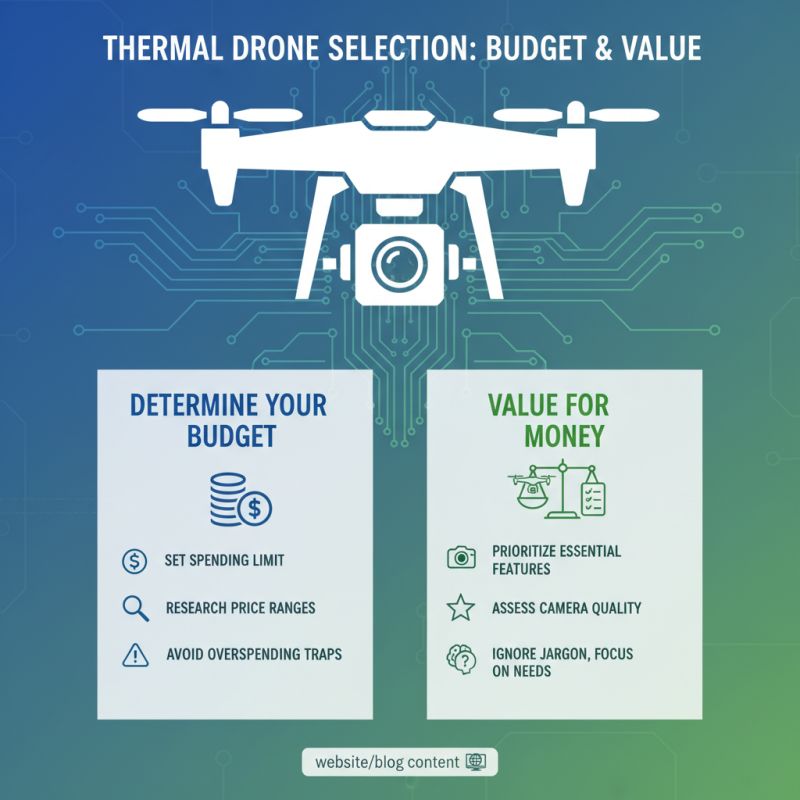
When selecting a thermal imaging drone, budget is a critical factor. Determine what you are willing to spend before beginning your search. Prices can vary significantly based on features, capabilities, and camera quality. It's easy to get overwhelmed by flashy promotions and technical jargon. Focusing on what you truly need is essential.
Value for money goes beyond the initial price tag. Investigate the drone's features against its cost. A lower-priced model might have inferior thermal resolution or shorter flight time. These aspects can affect your overall experience. Consider the long-term usability of the drone. Is it versatile enough for future applications?
User reviews can offer insights into that value. Pay attention to feedback about durability and performance. Not all drones will meet your expectations, especially in rugged environments. Some users find their chosen model lacking in real-world scenarios. Reflect on these details when making your decision. Choose wisely, as the right drone can make a difference in your projects.