UAV Unmanned Aerial Vehicle Tips for Beginners?
As technology advances, the popularity of UAV Unmanned Aerial Vehicles grows rapidly. Many enthusiasts are eager to pilot their own drones. However, beginners often face challenges that may seem daunting. Understanding how to operate these devices requires knowledge and practice.
UAVs can be intricate machines. Every model has unique features and functions. Beginners might struggle with settings and controls. It’s essential to familiarize yourself with your specific UAV Unmanned Aerial Vehicle before taking it out for a flight. Spend time reading the manual and watching tutorials.
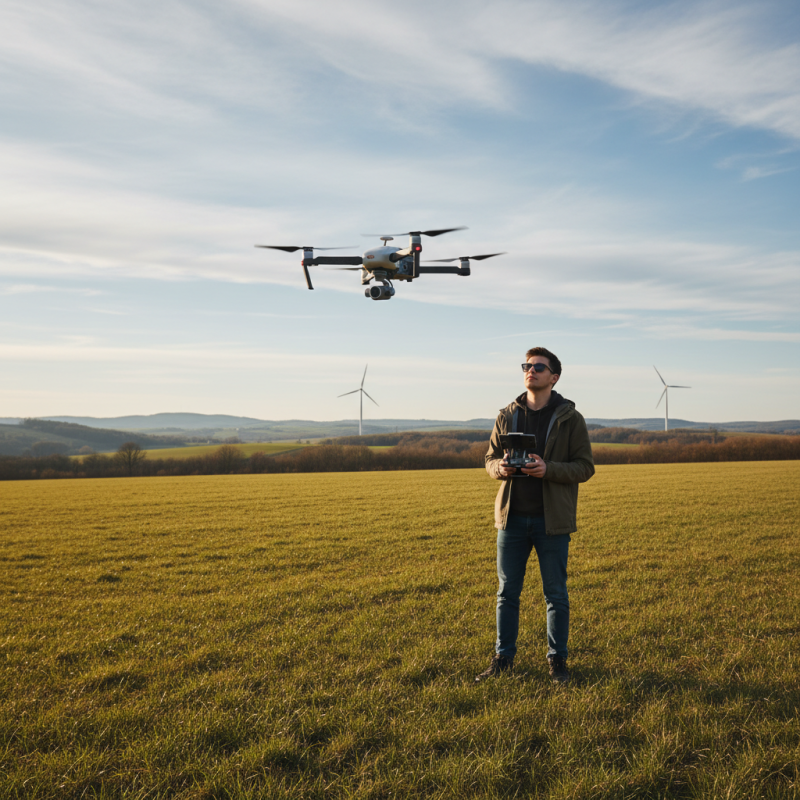
Flight practice is crucial. Start in open spaces with minimal wind. This allows you to focus on controlling your UAV without obstacles. It is normal to make mistakes during early attempts. Reflecting on these errors will help you improve as a pilot. Patience and persistence are key to mastering the art of flying a UAV.
Understanding Unmanned Aerial Vehicles: A Beginner's Overview
Understanding Unmanned Aerial Vehicles (UAVs) can be intriguing for beginners. UAVs are flying devices without pilots. They come in many shapes and sizes. Some are small drones for personal use, while others are large vehicles for commercial applications. The global UAV market is projected to reach $43 billion by 2024, according to industry reports. This growth highlights their increasing relevance in various fields.
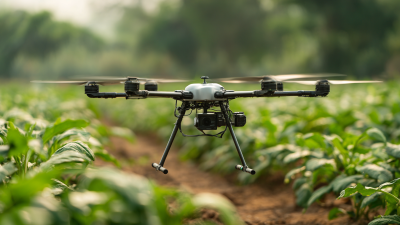
For beginners, the variety of UAV types can be overwhelming. Choosing the right one requires careful consideration. Not every UAV is suitable for every purpose. Some are designed for aerial photography, while others excel in surveying or agriculture. Miscommunication and misuse are common pitfalls. Beginners might think any UAV can fulfill all needs. They must reflect on their objectives before purchasing.
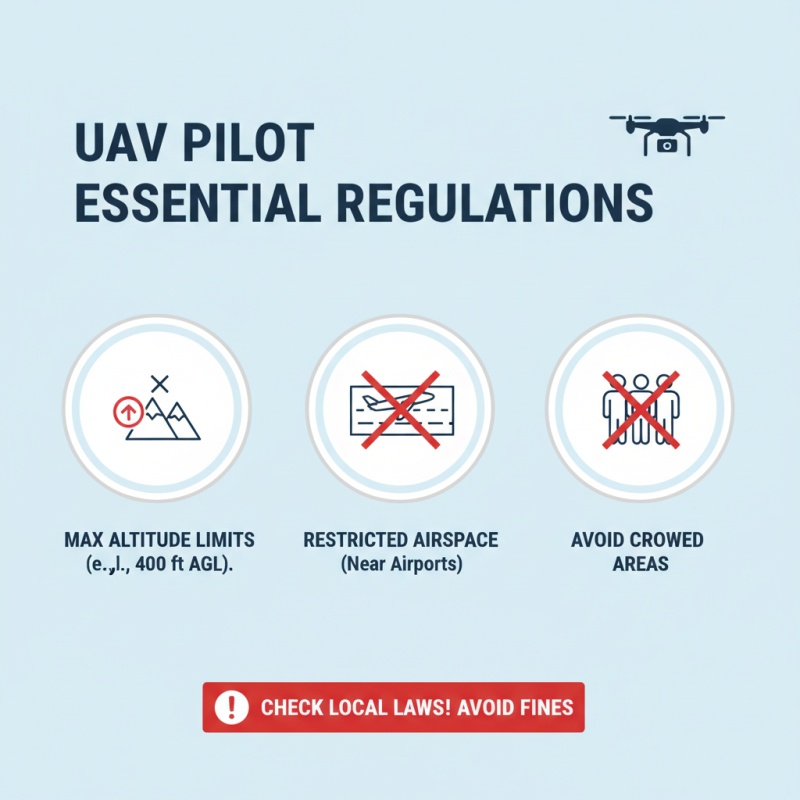
Battery life is another critical factor. Many UAVs have limited flight times, usually ranging from 20 to 30 minutes. Users should plan for this limitation. Longer flights often require multiple batteries or charging stations. It's essential to understand these logistics. Beginners should also familiarize themselves with local regulations before flying. Doing so can prevent future complications.
Types of UAVs: Choosing the Right One for Your Needs
Choosing the right UAV type can be overwhelming. With various options available, understanding their differences is crucial for beginners. According to industry reports, the global UAV market is projected to reach $58 billion by 2026, reflecting the growing interest in this technology.
For hobbyists, multirotors are popular due to their ease of use. They are excellent for aerial photography and racing. Fixed-wing UAVs cover longer distances and offer better flight time, but they require more skill to operate. Additionally, hybrid models can provide the benefits of both. Beginners should think about their specific needs. Consider whether you want to use it for fun, photography, or surveying.
Tip: Start with a simulator. It allows you to practice without the risk of crashing an expensive drone. Also, check for local regulations. Understanding the rules can save unnecessary headaches. Lastly, think about your budget. Some models can be pricey, but there are affordable options that still offer great features. Finding the right UAV may take time. Reflecting on your own needs will guide you in this complex field.
Essential Components of a UAV: What You Should Know
Understanding the essential components of a UAV (Unmanned Aerial Vehicle) is crucial for beginners. Firstly, consider the frame.
It provides structure and stability. Common materials used include carbon fiber and plastic. A strong frame ensures durability in various conditions. The choice of material can impact the UAV’s weight and flight time.
Next, look at the propulsion system. This includes motors, propellers, and electronic speed controllers (ESCs). According to industry data, nearly 70% of UAV performance relates to these components. A poor selection can result in inefficiency. Balancing the right motor size with the propeller is necessary for optimal performance. Beginners often overlook this important detail.
Flight controllers are another key element. They manage stabilization and navigation. A high-quality flight controller can significantly improve your UAV experience. However, setting up these systems can be complex for novices. Many users may struggle with firmware settings initially, leading to flight inaccuracies. Additionally, sensors like GPS and cameras can enhance functionality. Yet, integrating them requires technical knowledge. Understanding these components can help you avoid common pitfalls.
Basic Flight Principles: How to Operate Your UAV Safely
Operating a UAV requires understanding basic flight principles. Orientation and control are fundamental. New flyers often struggle with these concepts. The UAV should feel like an extension of your body. Knowing how it reacts to inputs is crucial. According to a report by the Federal Aviation Administration (FAA), 70% of drone accidents occur due to pilot error.
It’s essential to familiarize yourself with the control sticks. Make small movements at first. This helps maintain stability and prevents crashes. Proper pre-flight checks are necessary. Inspect the battery, propellers, and controls. Reports indicate that pre-flight checks can reduce accidents by 30%. Inadequate preparation often leads to regret later, especially when the UAV gets damaged.
Weather can also play a significant role. Wind and rain complicate flying. Beginners often underestimate these factors. Flying conditions can change rapidly. A National Oceanic and Atmospheric Administration (NOAA) study showed that uncontrolled UAVs are often linked to unexpected weather changes. Keeping an eye on conditions is vital. Always be ready to adapt your plans. Reflecting on each flight will help you improve your skills over time.