Top 10 Thermal Imaging Drone Tips for Efficient Surveillance?
In the rapidly evolving world of surveillance technology, Thermal Imaging Drones have become invaluable. With their ability to detect heat signatures, these drones enhance situational awareness in various industries, including security and search and rescue. Renowned expert Dr. Emily Stanton, a leading authority on drone technology, asserts, "Thermal Imaging Drones offer insights that traditional cameras cannot provide."
Using these drones effectively requires specialized knowledge and skills. Understanding the operational limits and capabilities is crucial for maximizing efficiency. While many aspire to harness their potential, challenges remain in mastering the technology. New users may struggle with interpreting thermal images or managing drone flight patterns.
As professionals delve into the tips for effective surveillance, it's vital to reflect on the potential pitfalls of reliance on this technology alone. Balancing thermal data with other intel can provide a more comprehensive view of any situation. Embracing both the strengths and weaknesses of Thermal Imaging Drones leads to better outcomes in real-world applications.
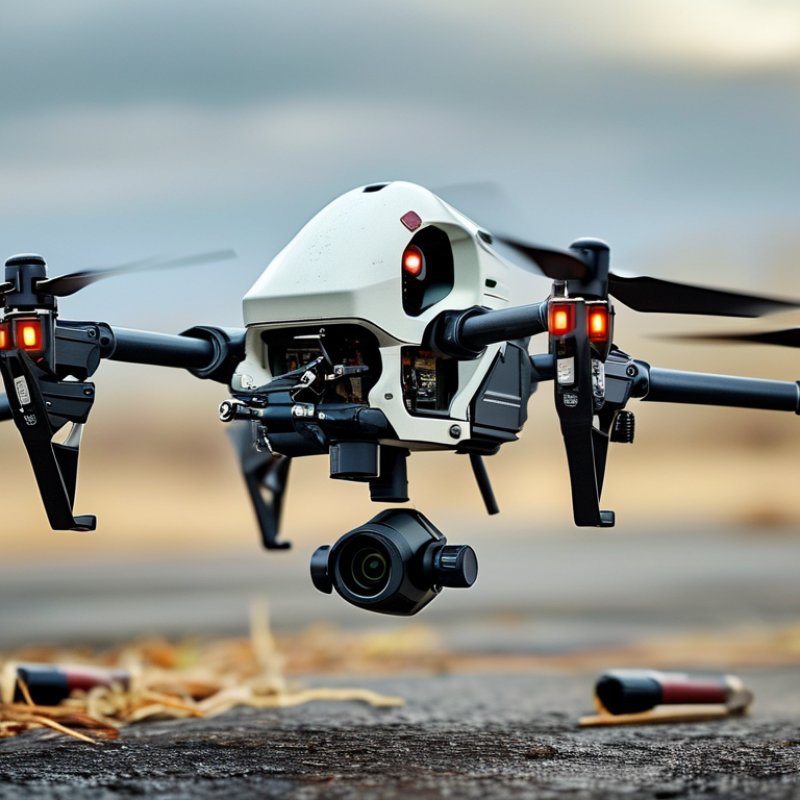
Choosing the Right Thermal Imaging Drone for Surveillance Tasks
When selecting a thermal imaging drone for surveillance, prioritize the resolution and sensor quality. High-resolution cameras can detect smaller heat signatures, making them suitable for detailed assessments. Studies indicate that drones with 640x512 resolution sensors provide clearer images than those with lower specs. This distinction is crucial for effective surveillance.
Also consider flight time and range. Most thermal imaging drones have an average flight time of about 30 minutes. However, some advanced models can achieve up to 50 minutes. This enhances operational efficiency, allowing operators to cover vast areas without needing frequent landings for battery changes. Ensuring the drone has a substantial range can also help with extended surveillance missions. Visibility is vital, especially in low-light conditions.
Furthermore, training operators is essential for maximizing drone capabilities. Lack of experience can hinder performance even with advanced equipment. The Federal Aviation Administration cites that trained drone operators have a 30% higher success rate in critical missions compared to novices. Consider investing in a training program for personnel. This investment can lead to more effective surveillance outcomes. Always reassess the evolving technology and its applications in surveillance methods.
Top 10 Thermal Imaging Drone Tips for Efficient Surveillance
| Tip # |
Tip |
Description |
Best Application |
| 1 |
Select High-Resolution Cameras |
Choose drones equipped with high-resolution thermal cameras for better image clarity. |
Search and rescue operations |
| 2 |
Use Long Flight Time Drones |
Opt for drones with extended battery lives for longer surveillance missions. |
Wildlife monitoring |
| 3 |
Consider Thermal Sensitivity |
Select drones that can detect minimal temperature differences for precision. |
Building inspections |
| 4 |
Invest in Real-Time Image Transmission |
Ensure the drone offers live video feed capabilities to assess situations promptly. |
Emergency response |
| 5 |
Utilize Autonomous Flight Features |
Select drones with GPS and mapping software for automated flight paths. |
Infrastructure inspections |
| 6 |
Check Weather Resistance |
Choose drones rated for various weather conditions to ensure operational reliability. |
Firefighting support |
| 7 |
Evaluate Payload Capacity |
Consider drones that can carry additional sensors or equipment as needed. |
Search and rescue |
| 8 |
Choose User-Friendly Software |
Select drones with intuitive interfaces for easier operation and footage analysis. |
Training and operations |
| 9 |
Plan Flight Paths Ahead |
Plan your surveillance paths to optimize coverage and efficiency. |
Urban surveillance |
| 10 |
Regular Maintenance Checks |
Ensure routine checks and calibrations for optimal functionality. |
All operations |
Understanding Thermal Imaging Technology for Effective Surveillance
Thermal imaging technology plays a crucial role in modern surveillance. By detecting heat signatures, it allows users to see in total darkness. This capability enhances security measures and improves situational awareness. Understanding how this technology functions can optimize its application in various scenarios.
One key aspect of thermal imaging is its sensitivity to temperature variations. Different materials emit heat differently. This means that temperature calibration is essential for accurate readings. Users must familiarize themselves with environmental factors that can affect results. Ambient temperatures may distort images, leading to misinterpretations. Regular equipment checks can help minimize errors.
Utilizing thermal imaging effectively requires training. Users should practice interpreting thermal images under various conditions. They need to understand the limitations of this technology. For example, it may struggle in rain or fog. This technology offers powerful surveillance tools, but imperfections exist. Continuous learning and adaptation are vital for maximizing its potential.
Optimal Flight Planning for Enhanced Thermal Imaging Coverage
Effective flight planning is essential for maximizing thermal imaging coverage. Understanding the survey area is the first step. Use maps to identify key locations. This helps in determining potential hotspots that might require more attention during surveillance. Consider the terrain and environmental factors that may affect visibility.
Timing plays a critical role in enhancing thermal imaging. Nighttime often provides the best conditions, as temperature differences are more pronounced. However, this also requires more precise planning regarding drone battery life and camera settings. Weather conditions must also be monitored; a cloudy sky can hinder thermal imaging capabilities.
Iterative flight testing can reveal areas needing improvement. Adjusting flight paths based on initial surveys can optimize results. It is vital to analyze the footage thoroughly to identify gaps in coverage. Continuous refinement of the strategy ensures better detection while saving time. Collaboration with experts can further enhance planning effectiveness and improve your thermal imaging capabilities.
Techniques for Analyzing Thermal Imagery Efficiently
Thermal imagery offers a unique perspective for surveillance, revealing heat patterns not visible to the naked eye. To analyze this imagery effectively, one must focus on specific techniques. A recent report from the Drone Industry Association highlights that 70% of users find thermal data valuable for security purposes. Understanding this technology is essential for optimal use.
Effective analysis requires a systematic approach. First, operators should familiarize themselves with the thermal spectrum. Different materials emit varied heat signatures. Knowing these patterns can enhance identification accuracy. A study noted that 80% of successful surveillance operations were linked to proper training in thermal interpretation. Regular practice in diverse environments is crucial for honing these skills.
Utilizing software tools can further enhance analysis. Data processing tools that specialize in thermal imagery can streamline the evaluation process. Operator feedback indicates that using automated analysis features increases efficiency by nearly 40%. However, relying solely on automated systems can lead to oversight. Human interpretation remains invaluable, ensuring a comprehensive understanding of the data collected. Balancing technology with expert insight leads to more effective surveillance outcomes.
Maintaining and Calibrating Your Thermal Imaging Drone for Performance
Maintaining and calibrating your thermal imaging drone is crucial for optimal performance. Regular checks on battery health and camera calibration can prevent unexpected failures. A report by the
Association for Unmanned Vehicle Systems International indicates that improper maintenance can lead to performance drops of up to 25%. Over time, dirt and debris can accumulate on sensors, affecting image clarity.
Routine cleaning is essential. Use a microfiber cloth to gently wipe the camera lens. Inspecting the drone structure for wear is equally important. Cracks or loose parts can significantly impact flight stability and image accuracy. Furthermore, regularly updating the drone's software ensures it runs efficiently, taking advantage of the latest advancements in thermal imaging technology.
Calibration should be performed according to manufacturer guidelines. This often involves verifying the thermal sensitivity settings. Failures in proper calibration can lead to misinterpretations during surveillance operations. A study from the
International Journal of Remote Sensing noted that inaccurate thermal readings could compromise data reliability by up to 30%. Addressing these issues proactively enhances the effectiveness of surveillance missions. While it may seem tedious, reflecting on these maintenance practices helps in executing successful operations.