What is a Long Range Drone and How Does It Work?
Long Range Drones have transformed various industries, offering new possibilities in surveillance, delivery, and exploration. According to Dr. Sarah Thompson, a leading expert in drone technology, “Long Range Drones can cover vast distances while providing real-time data.” This capability makes them invaluable for diverse applications, from agricultural monitoring to environmental research.
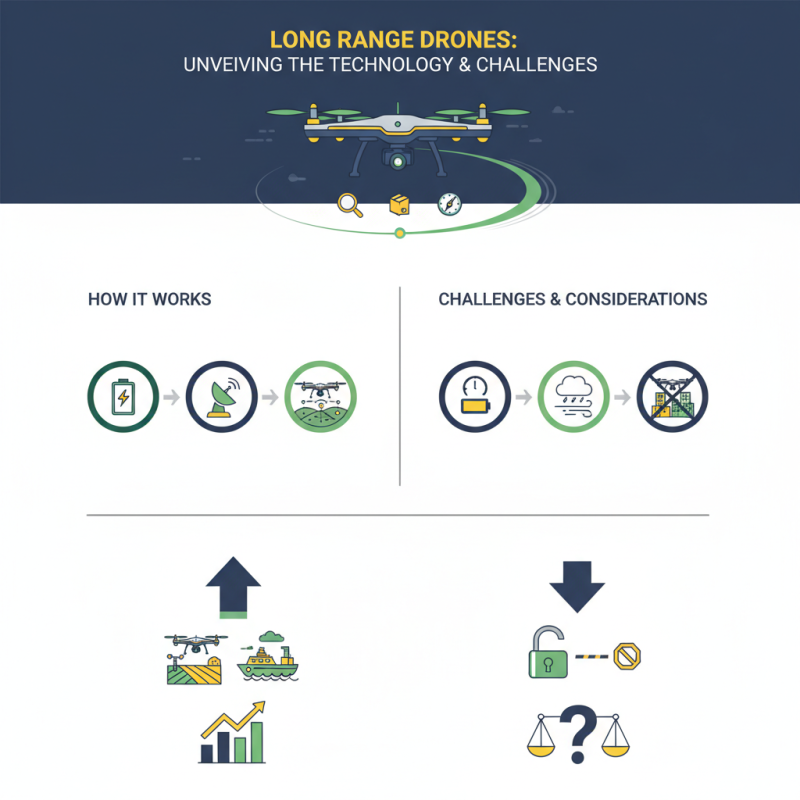
The technology behind Long Range Drones is continually advancing. They are equipped with high-capacity batteries and improved navigation systems. These drones often utilize GPS and various sensors for efficiency and accuracy. Yet, challenges remain. Battery life limitations can hinder their performance in longer missions. Additionally, weather conditions can severely affect their functionality, leading to frustrating setbacks.
Despite their potential, users must remain aware of these limitations. The incorrect use of Long Range Drones can result in unintended consequences. For instance, privacy concerns and airspace restrictions are essential considerations. Companies must navigate these issues as they integrate this technology into their operations, revealing both the promise and pitfalls of Long Range Drones.
What is a Long Range Drone?
Long-range drones have revolutionized various industries. These unmanned aerial vehicles (UAVs) can cover vast distances, usually exceeding two miles. They are designed for extended flight times and often incorporate advanced technology.
A long-range drone typically features a robust battery. This allows for prolonged operation without frequent recharging. Many models also use efficient propulsion systems. They can fly higher and faster, making them ideal for applications like aerial photography, surveying, and environmental monitoring.
Despite their impressive capabilities, long-range drones face challenges. Battery life can be a limitation. Weather conditions also affect performance. Pilots must plan routes carefully, considering potential obstacles. Training for operators is essential, as improper handling can lead to accidents. Overall, while long-range drones offer exciting possibilities, their operation requires thoughtful consideration.
Long Range Drone Flight Range Comparison
Key Components of Long Range Drones
Long range drones are sophisticated machines designed for extended operations. Their key components play vital roles in ensuring effective performance. One essential part is the propulsion system, which typically includes powerful motors and efficient propellers. These elements enable the drone to maintain speed and altitude over long distances.
Another crucial component is the communication system. This allows the drone to maintain a stable connection with its operator. Strong antennas and reliable radio systems are common in long range drones. They ensure that the signal remains strong, even at great distances. Cameras and sensors are also key. High-resolution cameras aid in capturing detailed images during flights. Sensors help the drone navigate and avoid obstacles.
Long range drones often include sophisticated batteries. These batteries provide the power needed for extended flights. However, managing battery life can be tricky. Operators must always plan for power needs, which requires careful consideration. The overall design should focus on balance. A well-balanced drone performs better but can be challenging to achieve. Each component must work together seamlessly.
How Long Range Drones Operate: A Technical Overview
Long range drones are designed for extended flights, capable of covering vast distances autonomously. These drones typically employ advanced navigation systems and high-capacity batteries. For instance, many can fly over 100 miles on a single charge. The integration of GPS technology allows for accurate positioning and navigation in various environments.
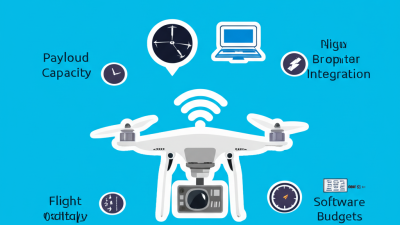
How do these drones operate? The key components include a flight control system, communication links, and payload options. The flight control system manages altitude, speed, and direction. Communication links enable real-time data transfer between the drone and the ground station. According to industry reports, the global drone market is expected to reach $63 billion by 2025, reflecting the growing demand for long-range capabilities.
Tip: When using long range drones, consider the battery life and weather conditions. These factors significantly impact the drone's performance. Always plan your flight path to avoid obstacles. Additionally, ensure your drone's firmware is updated for optimal functionality. Regular maintenance can also enhance flight safety and efficiency.
Experts also emphasize the importance of training. Operators should understand the drone's capabilities. Misjudging these can lead to operational failures or accidents. Continuous learning about the technology is essential. As the industry evolves, staying informed can prevent mishaps in the field.
What is a Long Range Drone and How Does It Work? - How Long Range Drones Operate: A Technical Overview
| Parameter |
Value |
| Maximum Range |
25 miles (40 km) |
| Flight Time |
Up to 60 minutes |
| Payload Capacity |
Up to 10 lbs (4.5 kg) |
| Camera Resolution |
4K UHD |
| Control Method |
GPS and Remote Control |
| Charging Time |
1-2 hours |
| Operating Temperature |
-20°C to 40°C (-4°F to 104°F) |
| Transmission Range |
3 miles (5 km) |
Applications of Long Range Drones in Various Industries
Long range drones are transforming several industries today. They can cover vast distances with precision. This capability is particularly useful in agriculture. Farmers use them to monitor crops. Drones can fly over large fields, gathering data on plant health. This data helps in making crucial decisions about irrigation and fertilization.
In logistics, long range drones have become essential. They can deliver packages to remote areas quickly. This reduces delivery times significantly. Companies are experimenting with drone technology for last-mile logistics. However, challenges remain. Weather conditions can affect flight paths. Regulatory approvals are also often slow. These hurdles need to be addressed for wider adoption.
Another exciting application lies in environmental conservation. Long range drones assist in wildlife monitoring. They track animal movements and habitats. However, the presence of drones can disturb wildlife. Careful planning is required to minimize this impact. Balancing technology with ecology remains a complex task.
Future Trends in Long Range Drone Technology
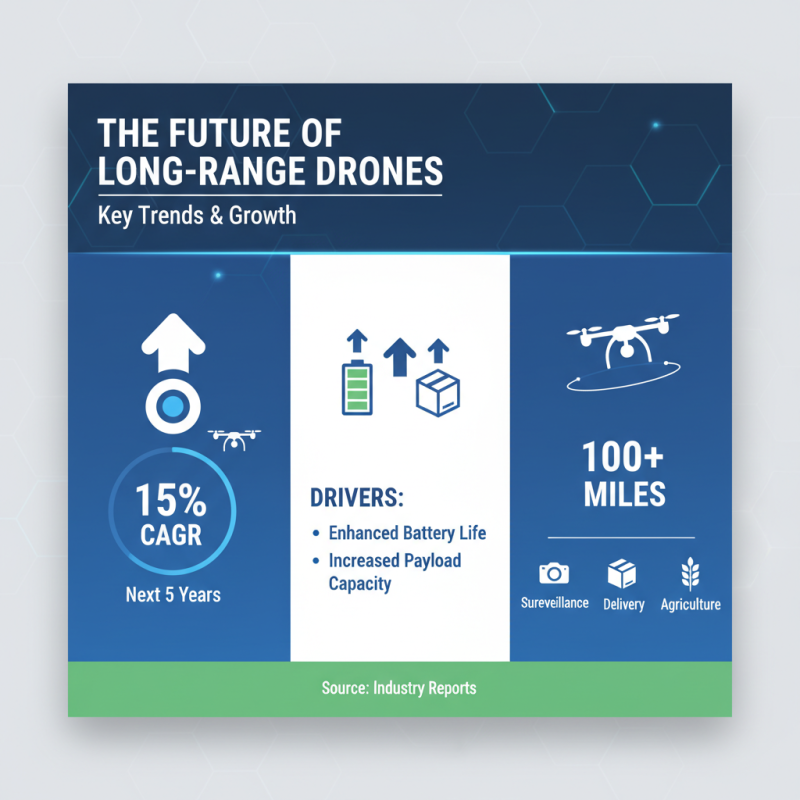
The future of long-range drone technology appears promising. Reports predict a compound annual growth rate (CAGR) of 15% over the next five years. This growth is driven by advancements in battery life and payload capabilities. Drones are now capable of flying over 100 miles on a single charge. This opens doors to various applications, including surveillance, delivery, and agriculture.
As the technology evolves, we notice a sharper focus on energy efficiency. Innovative designs optimize weight and power consumption. Still, challenges remain. The need for reliable communication systems over long distances is critical. Current systems often struggle with connectivity in remote areas. Moreover, regulatory hurdles could slow down widespread adoption. Ensuring safety and compliance is paramount.
Enhanced artificial intelligence (AI) integration is another trend to watch. AI can improve navigation, obstacle detection, and decision-making. Yet, reliance on AI raises concerns about job displacement. The balance between automation and human oversight needs careful consideration. As society moves forward, these dynamics must be addressed to fully harness drone technology’s potential.