2026 How to Choose the Best UAV Drone for Your Needs?
When selecting the best UAV drone for your needs, understanding the options available is crucial. UAV drones come in various shapes and sizes, each designed for specific tasks. From aerial photography to mapping, the right drone can greatly enhance your productivity. However, the choices can be overwhelming.
Many buyers focus solely on price or brand, but other factors matter too. Consider the flight time, camera quality, and easy-to-use controls. Battery life often dictates how long you can operate, while camera resolution affects image clarity. Don't underestimate the importance of these features.
Remember, selecting a UAV drone isn’t always straightforward. You might encounter models that seem perfect on paper but fall short in real use. User reviews can unveil hidden flaws. Therefore, take time to research. Each decision impacts your drone experience. A thoughtful approach will lead to a choice that truly meets your needs.
Understanding UAV Drones: Types and Technologies Explained
Understanding UAV drones requires a deep dive into their types and technologies. Different applications call for different drone specifications. For instance, aerial photography drones often emphasize camera quality and stability. According to a recent report by the Drone Industry Association, the market for UAVs for commercial use is projected to grow by over 50% by 2026. This rapid evolution pushes manufacturers to innovate consistently.
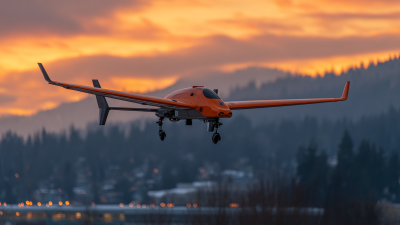
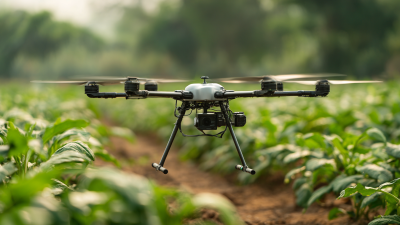
Multirotors remain the most popular type of UAV due to their versatility. Fixed-wing drones, however, can cover larger distances and fly longer. Data suggests that fixed-wing models often exhibit efficiency in agricultural monitoring. Yet, their complexity might lead to steeper learning curves for new users. A report from the Federal Aviation Administration highlights a rising interest in hybrid models that combine advantages from both worlds. The quest for the perfect UAV often reveals a balance between features and usability.
When choosing a UAV, considering technology is essential. GPS functionality, obstacle avoidance systems, and flight time are crucial factors. The choice can feel overwhelming. Ensuring the right balance of technology and user-friendliness is vital for effective operation. Potential users must weigh their specific needs against the features available, as not every UAV fits every scenario. This decision-making process may not have perfect answers. However, accumulating insights from various sources can enhance the selection experience.
2026: Understanding UAV Drones - Types and Technologies
Assessing Your Needs: Key Factors to Consider in UAV Selection
When selecting a UAV drone, assessing your specific needs is crucial. Determine the primary purpose of your drone. Are you using it for photography, surveying, or recreational flying? Each use case has distinct requirements that shape your choice. For example, a drone for aerial photography needs a high-quality camera and stable platform. Alternatively, surveying requires precise GPS and long flight times.
Consider your operating environment. Indoor flying demands smaller drones, while outdoor use often requires models with better wind resistance. Think about battery life too. Longer durations mean more flexibility in your operations. If you are unsure, read reviews and forums. They often provide insights from real users, revealing strengths and weaknesses that manufacturers don’t advertise.
Budget is another vital factor. High-end drones may offer advanced features, but they might exceed your budget. Good performance can also be found in mid-range models. Reflect on any additional costs, like batteries and maintenance. Make a list of must-have features and those you can compromise on. This will help clarify your decision without overspending. Balancing all these elements leads to a more thoughtful purchase.
2026 How to Choose the Best UAV Drone for Your Needs?
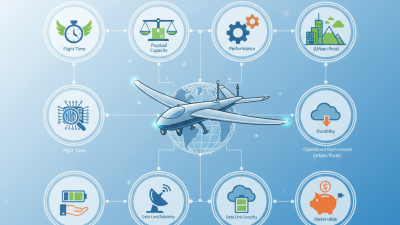
| Feature |
Importance (1-5) |
Description |
| Flight Time |
5 |
Duration the drone can stay airborne on a single charge. |
| Camera Quality |
5 |
Resolution and features of the onboard camera, essential for photography and videography. |
| Range |
4 |
Maximum distance the drone can operate away from the controller. |
| Payload Capacity |
3 |
Weight the drone can carry, important for professional applications. |
| GPS Precision |
4 |
Accuracy of GPS system for navigation and positioning. |
| Ease of Use |
4 |
User-friendliness of controls and software for operation. |
| Durability |
3 |
Ability to withstand harsh conditions and impacts. |
| Price |
5 |
Cost, relative to the features and intended use of the drone. |
Evaluating Drone Specifications: Essential Features to Look For
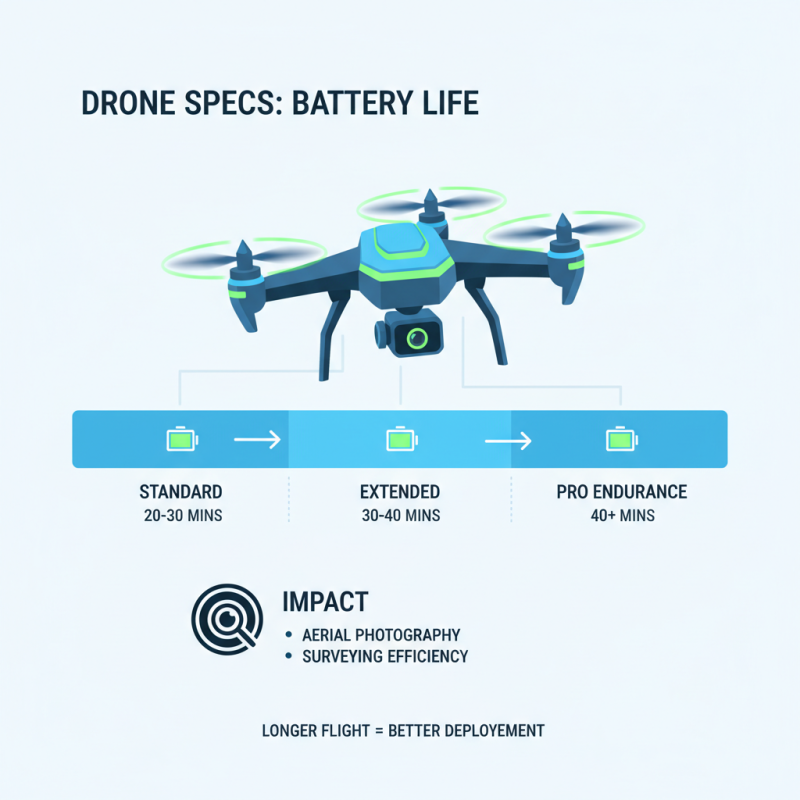
When selecting a UAV drone, understanding essential specifications is crucial. Battery life is a key consideration. Many drones offer flight times of 20 to 30 minutes. However, some models can last up to 40 minutes. According to industry reports, longer battery life can significantly impact deployment efficiency, especially in aerial photography and surveying.
Camera resolution is also vital. Drones with 4K cameras are becoming standard. High-resolution cameras provide clearer images and better data collection. Some drones even offer thermal imaging capabilities, suitable for search and rescue applications. However, these features may increase costs significantly. Evaluate your budget and the specific features you need.
**Tip**: Always check the drone's range before purchasing. Drones can operate anywhere from a few hundred meters to several kilometers. Choose one that meets your operational requirements without compromising control.
Consider the weight and portability of the drone. Lighter models are easier to transport but may sacrifice features. Always reflect on your primary uses. Some users favor advanced features, while others prioritize simplicity. Balancing these elements will guide you to the best UAV drone for your needs.
Budgeting for Your UAV: Cost Considerations and Value Assessment
Budgeting for a UAV is essential for anyone considering a drone purchase. The average cost of a consumer drone can range from $300 to over $2,000. According to a recent report by the Federal Aviation Administration, the drone market is expected to grow significantly, reaching a valuation of $43 billion by 2025. Understanding your specific needs will help you allocate your budget effectively.
When evaluating drones, consider not just the purchase price but also additional costs. Accessories like extra batteries, carrying cases, and enhanced camera options can drive up expenses. A survey from the Drone Manufacturers Alliance indicates that 60% of UAV owners report spending more than their initial budget due to these extras. Value assessment is crucial. A more expensive drone may offer advanced features that suit your needs better than a cheaper option.
However, it’s essential to realize that not all features are necessary for every user. For instance, a high-end camera is vital for professional photographers but may be redundant for casual users. Reflecting on your actual use cases can help pace your spending. A well-thought-out budget may save you from impulse buys and potential dissatisfaction later on.
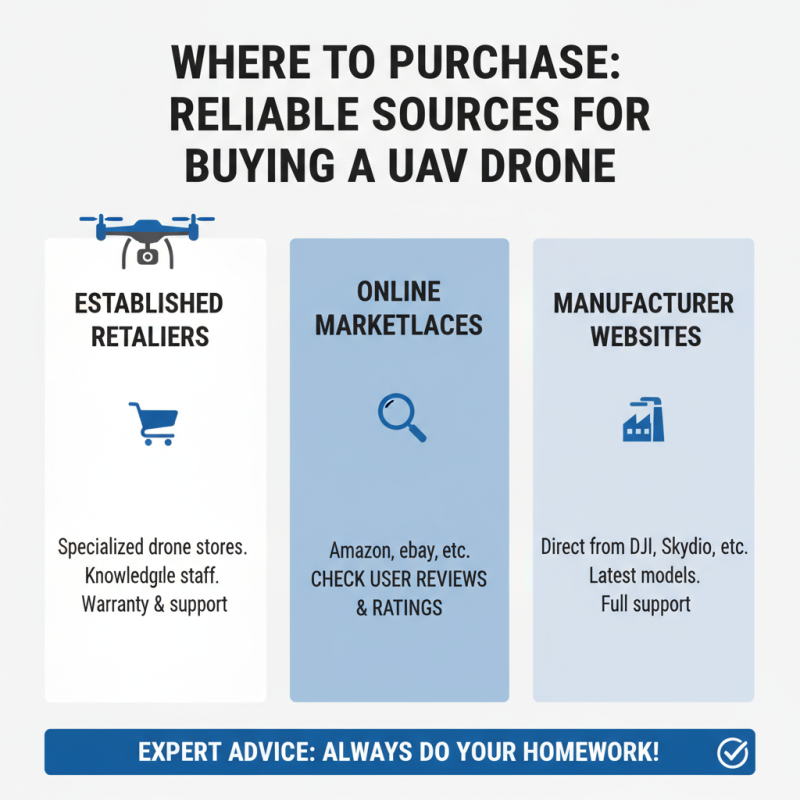
Where to Purchase: Reliable Sources for Buying a UAV Drone
When considering where to purchase a UAV drone, it’s essential to source from reliable vendors. Experts recommend looking for established retailers who specialize in drones. Online marketplaces can also be useful, but do your homework. Check user reviews and ratings to gauge the quality of service and product reliability.
Tips: Always verify if the retailer provides warranty options. This can significantly enhance your buying experience. A trusted vendor should also offer customer support for any queries, especially for beginners.
Local hobby shops are another excellent option. You can physically inspect the drone before purchasing. Additionally, local shops may offer demos, allowing you to test the drone's functionality firsthand. This can be a big advantage.
Tips: Attend local drone events. They are great for finding out which vendors are respected in the community. You might also discover exclusive discounts or special offers that aren’t available online.