What is a Delta Wing UAV Drone and How Does it Revolutionize Aerial Technology
The Delta Wing UAV Drone represents a significant advancement in aerial technology, combining innovative design with enhanced performance capabilities. Recent industry reports suggest that the global drone market is projected to grow from USD 14.1 billion in 2021 to USD 43.1 billion by 2026, highlighting the increasing demand for sophisticated aerial systems. Delta wing configurations, known for their high-speed and aerodynamic efficiency, are particularly well-suited for various applications, including surveillance, environmental monitoring, and agricultural analysis.
The unique design of the Delta Wing UAV Drone not only allows for improved fuel efficiency but also results in reduced acoustic signatures, making them ideal for covert operations. According to the AUVSI (Association for Unmanned Vehicle Systems International), the integration of delta wing technology in UAVs could enhance operational capabilities in both military and civilian sectors. As organizations seek to leverage the benefits of drone technology, understanding the advantages and functionalities of Delta Wing UAV Drones will be critical for staying competitive in this rapidly evolving market.
Delta Wing UAV Drone: Definition and Key Features
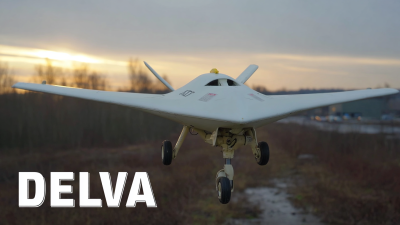
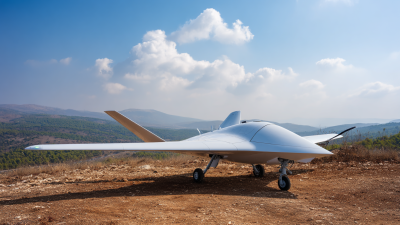
The Delta Wing UAV drone is characterized by its unique triangular shape, which enhances its aerodynamic efficiency. This design allows for a significant reduction in drag, enabling the drone to achieve higher speeds and improved fuel efficiency compared to traditional UAV aircraft. The delineation of its wings, often swept back, not only supports higher altitude operations but also facilitates stable flight even in turbulent weather conditions. This makes delta wing UAVs particularly suited for a variety of applications, including surveillance, mapping, and environmental monitoring.
In addition to its aerodynamic benefits, the Delta Wing UAV drone is equipped with advanced technologies that further elevate its capabilities. Many models feature state-of-the-art sensors and imaging systems that provide high-resolution data for real-time analysis. The integration of artificial intelligence into these drones enables automated flight operations, obstacle avoidance, and enhanced decision-making processes, revolutionizing how drones are utilized across various industries. Their abilities to carry longer payloads and operate over extended distances make delta wing UAVs a compelling choice for both commercial and military applications, shaping the future of aerial technology.
Historical Development of Delta Wing Technology in UAVs
The historical development of delta wing technology in unmanned aerial vehicles (UAVs) has marked a significant evolution in aerial engineering, from early military applications to advanced commercial uses. The delta wing design, characterized by its triangular shape, was first tested extensively during World War II and later in the 1950s by various air forces around the globe. The advantages of this configuration became evident, including superior stability at high speeds and improved lift-to-drag ratios, which are critical for UAVs that often operate in diverse environments.
According to a 2021 market report by Research and Markets, the global UAV market is anticipated to grow at a compound annual growth rate (CAGR) of 15.6% from 2021 to 2026. A significant portion of this growth is attributed to advancements in aerodynamic designs, particularly delta wings, which enhance flight efficiency and operational range. Moreover, the integration of delta wing technology into commercial drones has enabled extended surveillance, mapping, and delivery capabilities, making it a preferred choice in various sectors including agriculture, defense, and logistics.
The shift towards delta wing configurations has also been driven by ongoing innovations in materials and control systems. Modern UAVs leverage lightweight composites and sophisticated autopilot technology, allowing for more effective maneuverability and longer flight durations. With ongoing research and development in this area, delta wing UAVs are set to redefine the standards of performance, contributing to safer, faster, and more efficient aerial operations in both military and civilian arenas.
Advantages of Delta Wing Design in Aerial Performance and Efficiency
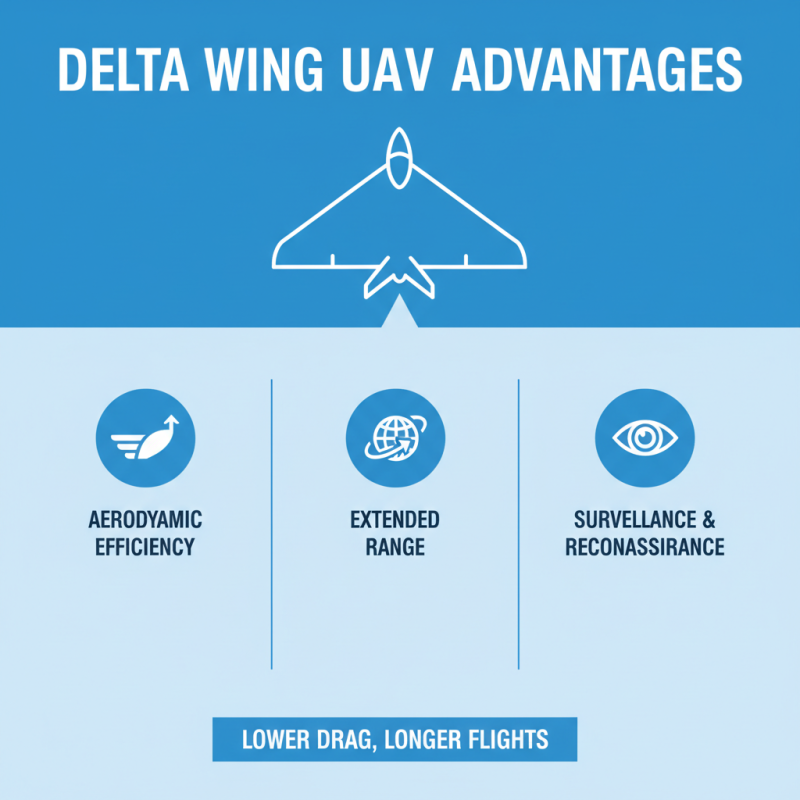
The delta wing design has emerged as a significant advancement in aerial technology, particularly in the field of Unmanned Aerial Vehicles (UAVs). This unique shape, characterized by its triangular form, offers several advantages that contribute to improved performance and efficiency. One of the key benefits is enhanced aerodynamic efficiency. The delta wing generates lower drag at various speeds, allowing for sustained flight at higher altitudes and longer distances. This translates to extended operational ranges, making delta wing UAVs ideal for numerous applications, including surveillance and reconnaissance.
Another advantage of the delta wing configuration is its superior stability during flight. The design inherently provides a wide aerodynamic footprint, which contributes to increased lift and better control under challenging conditions, such as strong winds or turbulent environments. This stability is particularly vital for missions that require precise maneuvering and navigation, ensuring that the drone can maintain its course and achieve its objectives effectively. Additionally, the structural integrity of delta wings allows for the ability to carry more payload without compromising performance, further enhancing the operational capabilities of these UAVs.
Applications of Delta Wing UAV Drones Across Various Industries
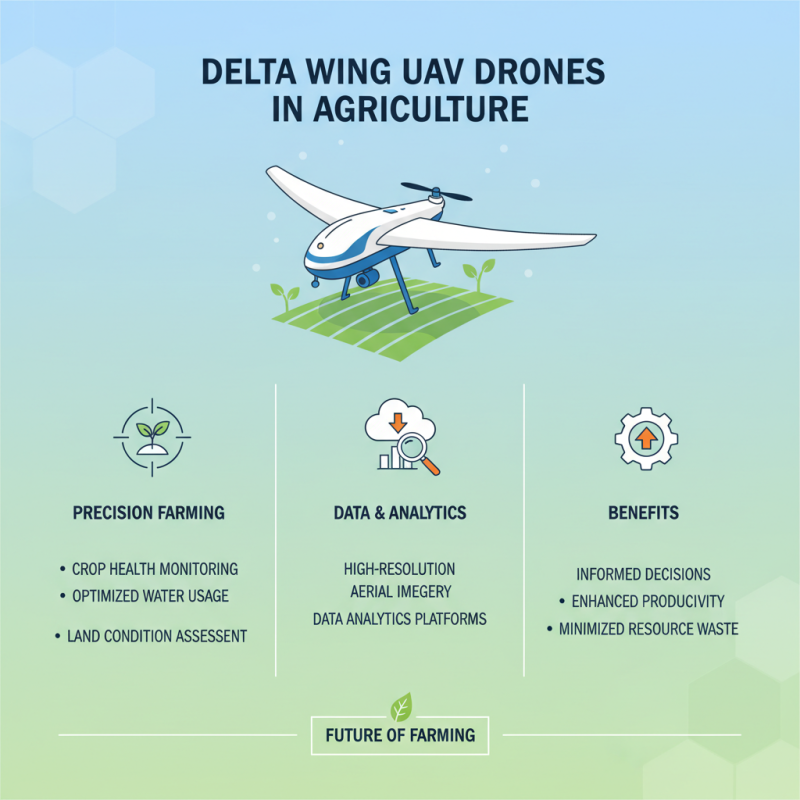
Delta wing UAV drones have gained significant attention due to their versatile applications across various industries. In agriculture, these drones are utilized for precision farming, allowing farmers to monitor crop health, optimize water usage, and assess land conditions efficiently. By capturing high-resolution aerial imagery and data analytics, they enable farmers to make informed decisions that enhance productivity while minimizing resource waste.
In environmental monitoring, delta wing UAV drones play a critical role in data collection and analysis. Their ability to cover large areas rapidly makes them invaluable for tracking wildlife, assessing natural habitats, and managing conservation efforts. They are also employed in disaster response scenarios, providing real-time aerial views of affected regions, thus facilitating efficient resource allocation and emergency response. The adaptability of delta wing designs also allows these drones to operate in challenging weather conditions, broadening their effectiveness across varied applications in fields such as search and rescue, infrastructure inspections, and transportation logistics.
Future Trends and Innovations in Delta Wing UAV Technology
Delta wing UAVs are increasingly gaining traction in the aerospace industry due to their unique aerodynamic properties and operational capabilities. As we look to the future, innovations in delta wing technology promise to reshape aerial missions in various sectors, from military applications to agricultural monitoring and disaster response. According to a recent market analysis report by the UAV Research Institute, the global market for delta wing UAVs is projected to grow at a compound annual growth rate (CAGR) of 15.4% through 2030, reflecting the growing adoption of these drones in both commercial and defense operations.
One of the most significant trends in delta wing UAV technology is the integration of AI and machine learning for enhanced navigation and autonomy. These advancements allow drones to operate in complex environments with minimal human intervention, significantly improving operational efficiency. Additionally, new materials and manufacturing techniques, such as additive manufacturing, have further enhanced the performance and durability of delta wing designs. The East Coast Drone Research Center estimates that incorporating advanced materials can reduce the overall weight of these UAVs by up to 30%, thus increasing their flight range and payload capacities.
Furthermore, the versatility of delta wing UAVs enables their deployment in diverse missions. A study from the International Journal of Aerospace Engineering highlights their effectiveness in surveillance and reconnaissance tasks, where the low-observable profiles reduce the chances of detection. Additionally, as governments and private sectors increasingly prioritize sustainable practices, delta wing designs are evolving to incorporate electric propulsion systems, reducing their carbon footprint while maintaining high performance. This combination of advanced engineering and environmental consciousness positions delta wing UAV technology as a critical player in the future of aerial dynamics.