How to Choose the Best Unmanned Aircraft for Your Needs?
The rapidly evolving field of Unmanned Aircraft is reshaping various industries, from agriculture to logistics. A recent report by MarketsandMarkets predicts that the global unmanned aircraft market will surpass $58 billion by 2026, driven by advancements in technology and growing adoption in commercial applications. As this sector expands, the quest for the best Unmanned Aircraft tailored to specific needs becomes crucial.
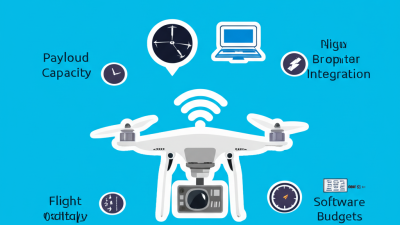
Jonathan A. Miller, a renowned expert in the Unmanned Aircraft domain, emphasizes, "Choosing the right unmanned aircraft is as vital as the mission itself." With numerous models available, users often face challenges in selecting aircraft that meet their technical requirements and budget constraints. It’s essential to evaluate factors such as payload capacity, flight time, and software compatibility.
However, many buyers overlook significant details, leading to suboptimal choices. Some aircraft may seem ideal but may lack essential features needed for specific tasks. Ensuring the selected Unmanned Aircraft aligns with both operational demands and financial capabilities is a delicate balance. The future of this industry promises innovation, but thoughtful consideration remains key.
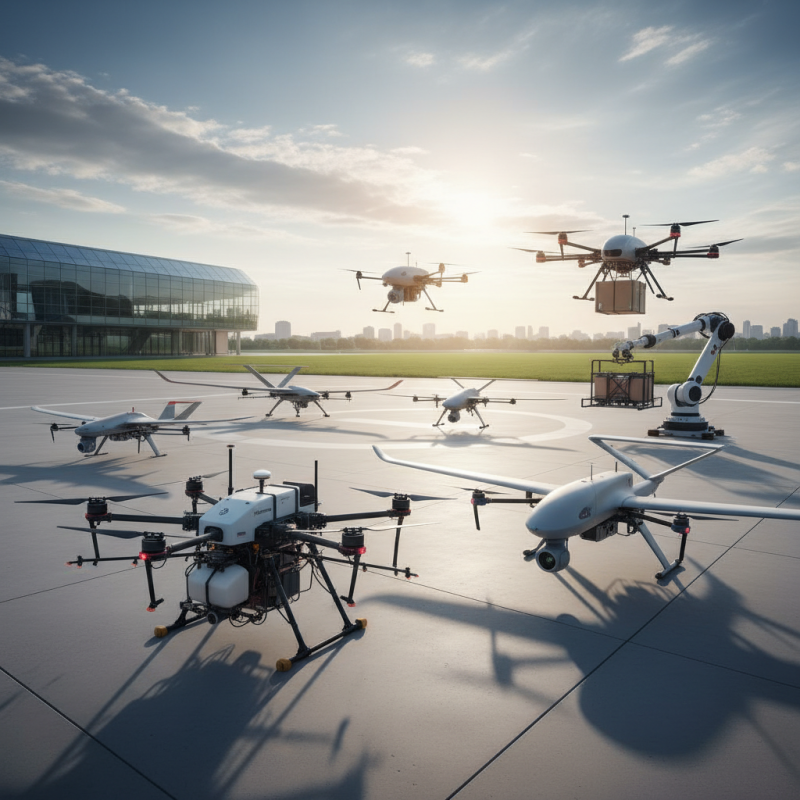
Identify Your Purpose and Requirements for an Unmanned Aircraft
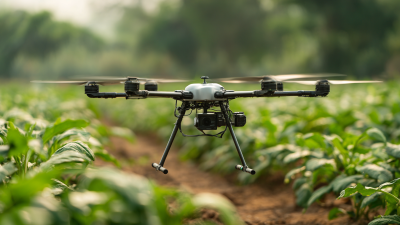
When choosing an unmanned aircraft, identifying your purpose is crucial. Different applications require specific features. For instance, agricultural drones often need advanced sensors for crop monitoring. According to a recent report by the Drone Industry Association, 40% of commercial drone users are in agriculture. This highlights the demand for specialized capabilities tailored to specific sectors.
Tips: Always define your goals clearly. Are you surveying land, capturing aerial footage, or inspecting infrastructure? Each task demands different specifications. A lightweight drone may meet your needs for photography but fall short for rigorous inspections.
You should also consider your environment. A report from the Federal Aviation Administration (FAA) shows that flying in urban areas poses unique challenges. Drones might need robust GPS and obstacle avoidance systems. In contrast, open fields allow for simpler designs. Reflect on your operational environment to avoid future issues. Balancing between functionality and ease of use can save time in the long run. Keep in mind that not all drones perform well in every situation.
How to Choose the Best Unmanned Aircraft for Your Needs?
| Type of Unmanned Aircraft |
Payload Capacity (kg) |
Flight Time (minutes) |
Range (km) |
Best For |
| Multi-Rotor |
2-5 |
20-40 |
2-5 |
Photography, Surveying |
| Fixed-Wing |
5-20 |
60-120 |
50-150 |
Large Area Mapping |
| Hybrid VTOL |
5-15 |
30-60 |
10-30 |
Urban Delivery, Inspection |
| Nano Drone |
<1 |
10-20 |
1-2 |
Indoor Surveillance |
| Professional Racing |
1-2 |
8-15 |
2-10 |
Competitive Racing |
Evaluate Different Types of Unmanned Aircraft Available on the Market
When choosing an unmanned aircraft, understanding the various types available is crucial. Drones come in different forms, each serving unique purposes. For photography enthusiasts, quadcopters might be the best fit. Their stability in the air helps capture stunning aerial images. Fixed-wing drones, on the other hand, excel in surveying large areas. They can cover more ground faster but require more space to take off and land.
Consider your primary use case. Racing drones provide thrill and speed but lack camera capabilities. If you’re looking for agricultural applications, multi-rotor drones are often preferred. They can monitor crops easily and provide data for precision farming. Additionally, account for your skill level. Some models are beginner-friendly, while others demand expertise. You may need to invest time learning to fly effectively, and that can be frustrating.
Reflect on the features that matter most. Battery life, flight time, and range can vary significantly among products. However, not all expensive models guarantee high performance in every area. Weighing cost against the specific features you need is essential. Balancing your requirements with available options can lead to tough decisions, but it is a necessary part of the selection process.
Assess the Key Features and Specifications Important for Your Needs
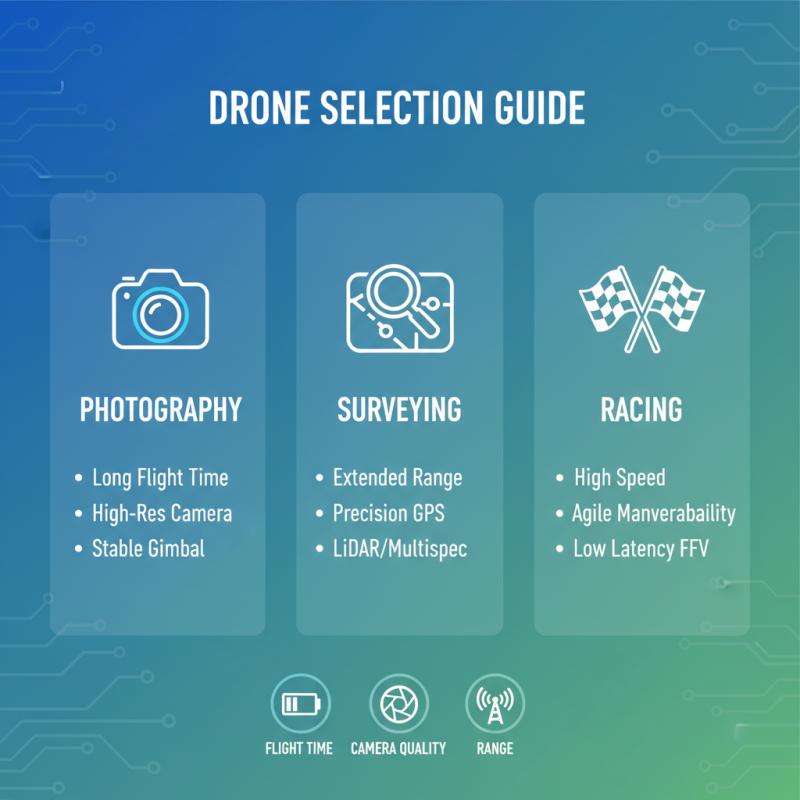
Choosing the best unmanned aircraft involves careful assessment. Identify the purpose of your drone. Will it be used for photography, surveying, or racing? Each purpose requires different features. Consider flight time, camera quality, and range. These specifications define your experience.
Tips: Always check the battery life. A short flight time can be frustrating. Look for drones with at least 20-30 minutes of flight. This helps during extensive projects.
Think about ease of use. Some drones have complex controls. You might struggle to operate them effectively. A user-friendly interface is essential for beginners. Look for models that offer intuitive controls or GPS assistance.
Tips: Read user reviews. They often highlight common issues. Knowing potential problems can save you time and money. Consider the weight of the drone, too. A heavier model may be less portable. This could impact your ability to travel with it. Keep these factors in mind as you make your choice.
Consider Budget and Cost Factors in Your Decision-Making Process
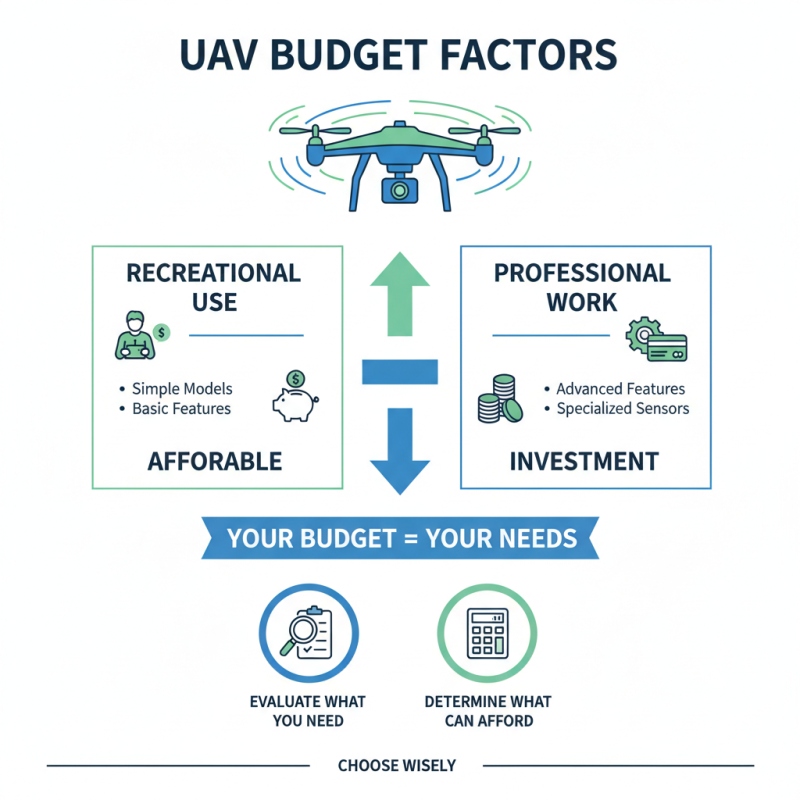
Choosing the right unmanned aircraft requires careful consideration of budget factors. Your budget is not just a number; it dictates many aspects of your purchase. Are you looking for a simple model for recreational use? Or do you need advanced features for professional work? Evaluate how much you can afford and what you really need.
Consider the total cost of ownership. It's not just the initial price. Accessories, software, and maintenance can add up quickly. An inexpensive drone might require costly updates or replacements later. For instance, if your job requires longer flight times, investing in a more expensive model with better battery life might save you money in the long run.
Think about potential return on investment. A higher upfront cost may lead to better efficiency and results. Reflect on your specific needs and analyze if it's worth the expense. Sometimes, going for the cheaper option backfires. Proper research will help you find the best fit without overspending. Make a list of priorities. What features are non-negotiable? This can clarify your decision-making process.
Research Regulatory and Safety Considerations for Unmanned Aircraft Use
When considering unmanned aircraft, it's crucial to research regulatory and safety aspects. Recent studies indicate that over 50% of drone users encounter regulatory challenges. Understanding these regulations helps in legal compliance and safe operation.
The Federal Aviation Administration (FAA) has outlined stringent rules for unmanned aircraft. For instance, operators must register their drones and stay below 400 feet. Compliance with these regulations is non-negotiable for avoiding penalties. However, many newcomers are unaware of these requirements, leading to potential fines and safety risks.
Safety is another critical factor. Data from industry reports suggest that drone-related incidents have increased by 17% in the past year. This underscores the need for thorough safety training. Educating users on pre-flight checks can significantly reduce accidents. Leaving out safety protocols can be disastrous. Reflecting on these aspects will guide you in making informed choices for your unmanned aircraft needs.
Unmanned Aircraft Use: Regulatory and Safety Considerations