Why Choose a Folding Wing Drone for Your Business Needs?
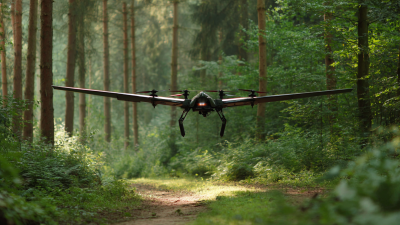
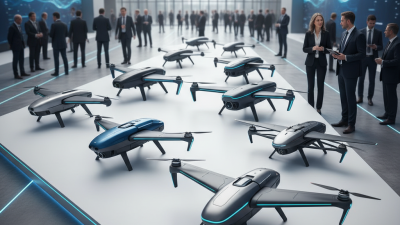
In today's fast-paced business environment, efficiency and adaptability are key. The Folding Wing Drone emerges as a robust solution for various commercial applications. Its innovative design combines compactness with expansive functionality, making it invaluable for industries like agriculture, logistics, and surveillance.
Equipped with advanced technology, these drones outperform traditional models. The ability to fold their wings allows for easy transport and storage, which can save valuable time and resources. Many businesses face challenges in managing logistics and surveillance tasks effectively. The Folding Wing Drone addresses these hurdles by offering reliable performance without sacrificing portability.
Investing in a Folding Wing Drone may seem complicated. However, understanding its benefits can lead to smarter business decisions. Exploring this technology might reveal new opportunities for growth and efficiency. It's crucial to weigh these options carefully and consider how they align with your specific needs.
Key Advantages of Folding Wing Drones for Business Applications
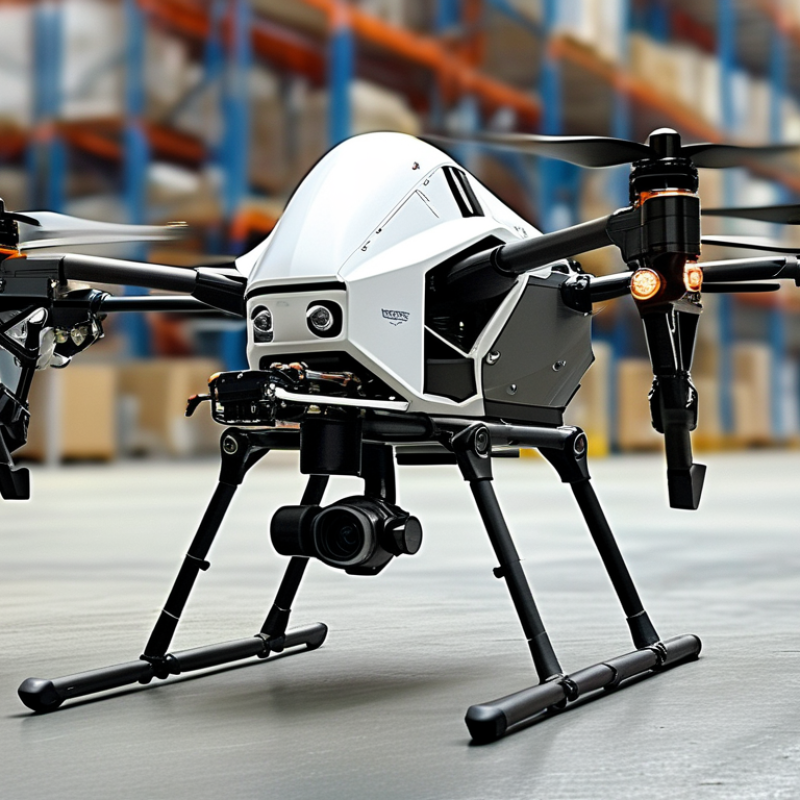
Folding wing drones have become popular for various business applications due to their unique design and functionality. These drones are compact and easy to transport, which is a significant advantage for businesses that require mobility. Their folding mechanism allows users to quickly set up and pack away, making them efficient for fieldwork. This adaptability is crucial for industries like agriculture, surveying, and logistics, where on-site deployment is key.
Another advantage is their aerodynamics. The folding wings enhance flight stability and efficiency. This feature contributes to longer flight times and reduced energy consumption. Businesses can complete more tasks without frequent recharges, leading to improved productivity. Additionally, their lightweight structure allows for versatile use in different environments. This capability can lead to better mapping, monitoring, or inspections.
However, businesses must consider the potential learning curve associated with operating these drones. Not everyone may be familiar with the technology. Investing in training could be beneficial. Understanding local regulations regarding drone usage is also essential. The benefits can be substantial, yet the challenges require careful navigation for optimal outcomes.
Why Choose a Folding Wing Drone for Your Business Needs? - Key Advantages of Folding Wing Drones for Business Applications
| Advantage |
Description |
Business Applications |
Weight Capacity (kg) |
Flight Time (minutes) |
| Compact Design |
Easily folds for transport and storage. |
Emergency Services, Inspection |
5 |
35 |
| Increased Stability |
Better aerodynamic design improves flight stability. |
Agriculture, Mapping |
10 |
40 |
| Versatility |
Can be used for various applications across different industries. |
Surveying, Parcel Delivery |
15 |
50 |
| Extended Range |
Longer flight range due to improved designs. |
Infrastructure Inspection, Search and Rescue |
7 |
60 |
| Easy Deployment |
Can be set up rapidly for immediate use. |
Construction, Event Monitoring |
12 |
30 |
Comparative Analysis: Folding Wing Drones vs. Traditional Drones
When it comes to choosing between folding wing drones and traditional drones, there are key differences worth considering. Folding wing drones are designed for efficiency. They save space during transport, making them ideal for businesses on the go. Traditional drones, while robust, can be bulky and require more storage area. For companies that need portability, folding wing drones present a significant advantage.
Performance is another critical factor. Folding wing drones often feature better aerodynamics due to their design. This can lead to longer flight times and more stability in windy conditions. Traditional drones can struggle with these issues. However, some users find that the innovation of folding wing drones can come with a learning curve. Understanding their mechanics can be challenging for beginners.
Cost may also play a role in your decision. Folding wing drones can initially seem pricier. Yet, their long-term benefits often outweigh the upfront costs. This requires careful budgeting and planning. Businesses should evaluate their specific needs before making a choice. Ultimately, the proper drone can enhance operational efficiency considerably. Consider the factors that matter most for your business goals.
Factors to Consider When Choosing a Folding Wing Drone
When considering a folding wing drone for business needs, several key factors should be assessed. Weight and portability are essential. A lightweight drone is easier to transport and can save time during setup. Look for models with a compact design that can easily fit into a backpack. This enhances operational efficiency, especially in remote areas.
Battery life is another critical component. Drones with longer flight times will maximize your productivity. Think about the duration of your missions. Ensure that the drone can operate long enough to complete your tasks without frequent recharges. Consider the drone's range as well. A wider operational range allows you to cover more ground without limitations.
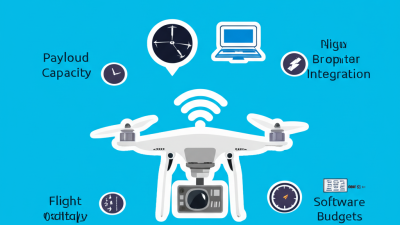
Additionally, don’t overlook the technology used in the drone. High-quality cameras and sensors enhance data collection. The right software can offer advanced features like automated flight paths and obstacle avoidance. These features improve reliability but may require a learning curve. It's important to weigh the technological benefits against potential complexities. Embrace the opportunity for improvement while also being cautious of the initial challenges.
Applications of Folding Wing Drones Across Different Industries
Folding wing drones are transforming operations across various industries. Their compact design allows for easy transport and deployment. In agriculture, these drones effectively monitor crop health over large areas. A report from MarketsandMarkets predicts the agricultural drone market will reach $6.2 billion by 2026. This growth highlights the increasing reliance on drones for data collection and precision farming.
In the logistics sector, folding wing drones are being used for last-mile delivery. Their ability to navigate tight urban spaces and deliver packages quickly is becoming essential. According to a study by Deloitte, 80% of businesses believe drone delivery will become mainstream by 2024. This trend emphasizes the need for efficient transportation alternatives as online shopping continues to rise.
Despite these benefits, challenges exist. Regulatory hurdles and public perception about drones can hinder adoption. Companies must address privacy concerns and safety regulations to operate efficiently. As folding wing drones become more prevalent, ongoing assessment of their impact will be vital. Industries should remain adaptable to maximize the advantages while mitigating potential drawbacks.
Cost Efficiency and Value Proposition of Folding Wing Drones
Folding wing drones are increasingly popular for various business applications. Their cost efficiency is a key factor driving this trend. Businesses can save on transportation and storage costs. These drones are compact and can easily fit in smaller spaces. This is particularly beneficial for companies with limited storage capacity.
In addition to savings, the value proposition of folding wing drones lies in their versatility. They can carry different payloads depending on the task required. For industries like agriculture or surveillance, this adaptability means greater utility. However, potential users must consider the learning curve associated with this technology. Training employees to handle these drones effectively is essential, which can incur additional costs.
Investing in folding wing drones requires careful thought. Organizations should weigh the initial investment against long-term savings. It's important to pinpoint whether the benefits align with specific operational needs. Without a clear strategy, companies might find that the drones do not serve their intended purpose. Ensuring proper alignment between technology and business goals is crucial.