Best Long Range Drones for Ultimate Aerial Adventures?
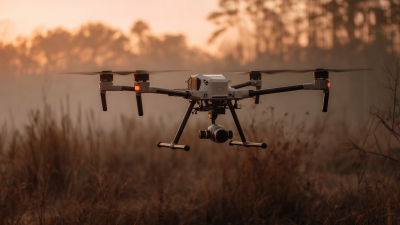
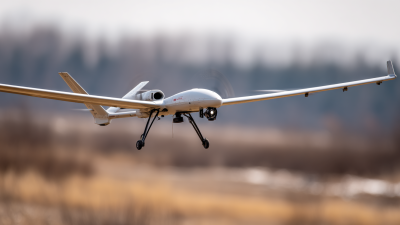
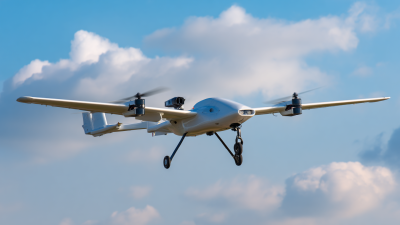
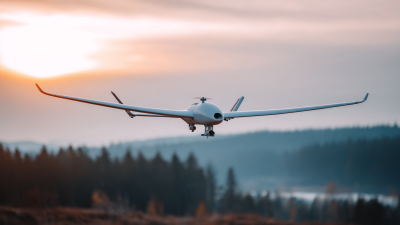
In recent years, the demand for long range drones has surged. A long range drone offers unparalleled opportunities for exploration and breathtaking aerial views. Whether you seek stunning landscapes or wildlife observation, these drones deliver.
Advanced technology enables long range drones to travel significant distances. Many models boast flight ranges of several kilometers. This capability excites avid adventurers and photographers alike. Yet, mastering these devices can be challenging. Users must account for battery life and signal strength. Drones can lose connection if obstacles interfere, leading to frustrating situations.
Long range drones inspire both creativity and responsibility. Pilots must remain aware of their surroundings. Respecting local regulations is crucial. Sometimes, a little patience is necessary to capture the perfect shot. Ultimately, a long range drone can transform your adventures, opening up new horizons. Discovering the best options on the market could inspire your next journey.

Top Features to Consider in Long Range Drones
When considering long range drones for aerial adventures, it's essential to focus on specific features.
Battery life stands out as a crucial element. Look for drones that offer at least 30 minutes of flight time.
A longer battery life allows for more extended exploration. But remember, battery performance can vary under different conditions.
You'll need to account for wind and temperature, which can drain the battery faster than expected.
Another key feature is range. Many drones boast impressive distances, but real-world performance may differ.
Aim for drones that can fly over several miles. This allows you to capture scenic landscapes from various angles.
However, the communication link may weaken at larger distances. It's vital to stay aware of potential signal loss and have a backup plan.
Camera capabilities are equally important. A high-resolution camera enhances your photos and videos, allowing for stunning visuals.
Drones with stabilization features produce smoother footage, reducing shaky videos.
Yet, even the best cameras won't guarantee perfect shots every time.
Weather conditions and lighting can drastically impact results. Always prepare for unexpected challenges during your aerial adventures.
Best Long Range Drones for Different Budget Levels
In the world of long-range drones, budget plays a crucial role in choosing the right model. Research indicates that long-range drones vary significantly in price, with entry-level models starting around $300. These basic drones often offer a range of up to 1 mile. However, users might find their features limited. On the flip side, premium models exceed $1,500 and deliver ranges of up to 7 miles, combined with advanced camera technology.
Mid-range options, generally between $500 and $1,200, strike a balance between functionality and cost. Many provide a range of 3 to 5 miles, appealing to hobbyists seeking quality features without breaking the bank. A study by the Drone Industry Insights shows that over 60% of drone users prefer mid-tier models for recreational use. Yet, users must consider the additional costs, like batteries and accessories.
Some may overlook the importance of battery life. A drone's maximum range can drop significantly as the battery depletes. Many users report issues with connection stability at long distances. Investing a little more in a robust model could mitigate these concerns. Prior research suggests regular maintenance can extend a drone's lifespan. This can be crucial for ensuring every flight goes smoothly, especially during excursions.
Comparative Analysis of Popular Long Range Drone Models
When exploring long-range drones, various models offer unique features and capabilities. Data from industry reports indicate that many long-range drones have a flight range exceeding 10 kilometers. This feature significantly enhances their usability for aerial adventures. Advanced navigation systems often include GPS and obstacle avoidance technology. These improvements impact both safety and ease of operation for users.
Battery life is another critical factor. Leading models can achieve flight durations of up to 40 minutes on a single charge. However, performance can vary by payload and environmental conditions. Wind resistance may diminish range and battery efficiency. Users may experience unexpected limitations under specific conditions, highlighting the need for careful planning.
Camera quality also differs greatly among models. High-resolution cameras provide stunning views, but many drones require additional stabilization for clear images. Users must weigh the pros and cons of each camera and the type of footage desired. In aerial photography, the right equipment can make or break a project. It is essential to evaluate these factors when choosing a drone for ultimate aerial adventures.
Best Long Range Drones for Ultimate Aerial Adventures
| Model |
Max Range (km) |
Flight Time (mins) |
Camera Quality (MP) |
Weight (kg) |
| Drone A |
25 |
30 |
20 |
1.5 |
| Drone B |
20 |
28 |
12 |
1.2 |
| Drone C |
30 |
35 |
24 |
1.8 |
| Drone D |
15 |
25 |
8 |
0.9 |
| Drone E |
35 |
40 |
30 |
2.2 |
Tips for Maximizing Flight Range and Performance
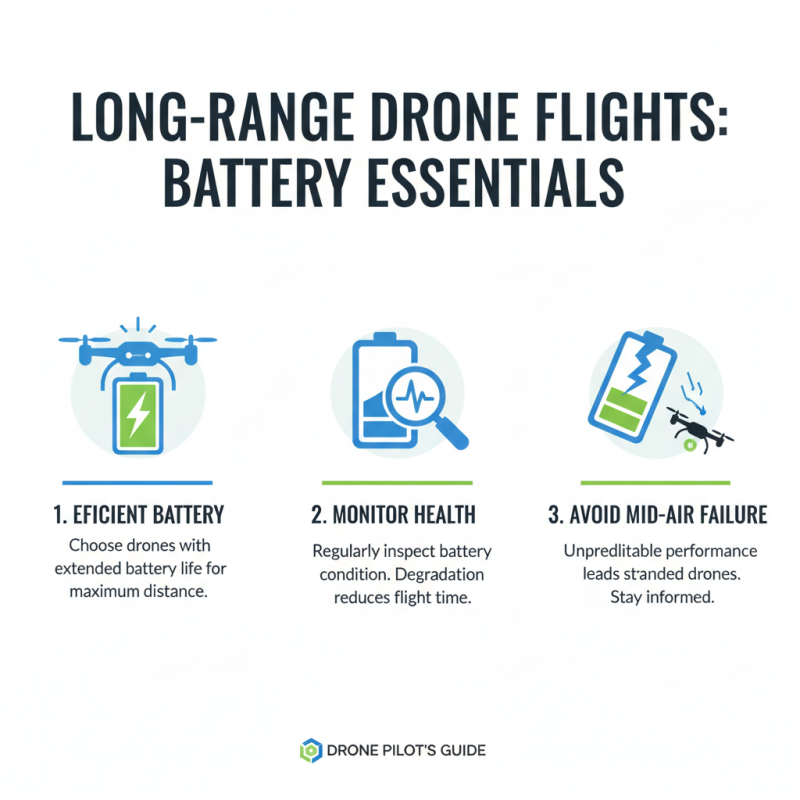
When planning for long-range drone flights, several factors come into play. Understanding battery life is crucial. Aim for a drone with an efficient battery as it dictates how far you can go. Regularly check the battery health too. Fluctuations in performance can lead to shorter flight times, leaving you stranded mid-air.
Wind conditions are another significant factor. High winds can drastically reduce your flight range. Staying updated with weather reports before flying is essential. Make sure to choose a flight path that minimizes exposure to strong gusts. Adjusting your altitude can help evade turbulence while maximizing distance.
Lastly, maintain your drone meticulously. Regularly inspect rotors, motors, and electronics. Small issues can escalate quickly during long flights. Always have a plan for emergencies, such as a safe landing area. This foresight can save your drone from unnecessary crashes. Pay attention to every small detail for a successful adventure.