Top 10 Advantages of Using UAV Unmanned Aerial Vehicles?
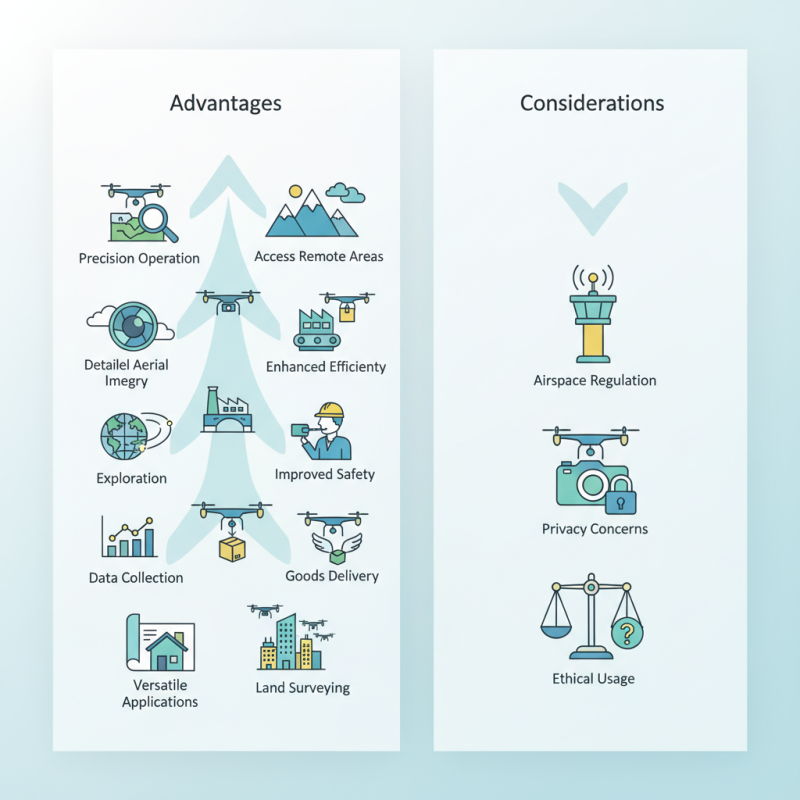
The rise of UAV unmanned aerial vehicles has transformed various industries. These versatile tools offer unique advantages that enhance efficiency and safety. From surveying land to delivering goods, UAV technology has become a game-changer.
UAV unmanned aerial vehicles operate with precision. They can reach remote areas that are often challenging for humans. This capability opens up new opportunities for exploration and data collection. Additionally, their ability to fly at different altitudes allows for detailed aerial imagery.
However, one must acknowledge potential drawbacks. The reliance on UAV technology raises questions about airspace regulation and privacy. As we embrace these advantages, it is crucial to reflect on ethical considerations. The future of UAV unmanned aerial vehicles is bright, yet it requires responsible usage.
Benefits of Enhanced Surveillance and Monitoring with UAVs
Unmanned Aerial Vehicles (UAVs) are revolutionizing surveillance and monitoring. With their ability to capture detailed imagery, they offer a new perspective. Drones can cover vast areas quickly, providing real-time data. This capability is beneficial for various fields, from agriculture to disaster management.
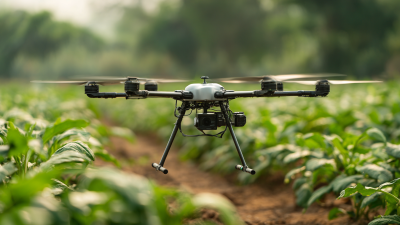
In agriculture, UAVs can monitor crop health effectively. Farmers can identify issues like drought or pest infestations early. Quick responses can save yields. UAVs also support infrastructure inspections. They can safely assess bridges, pipelines, and power lines from above. However, there is a need for careful analysis of the collected data. Misinterpretation can lead to costly decisions.
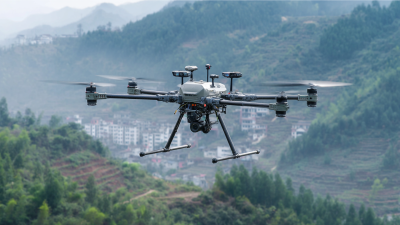
One notable advantage of UAVs is their flexibility. They can be used in remote areas where traditional methods may struggle. But, operating these drones requires skilled personnel. Training is essential to maximize effectiveness. Improper usage can lead to data loss or security breaches. The constant evolution of technology means continuous learning is necessary. Some challenges remain, but the benefits are undeniable.
Top 10 Advantages of Using UAV Unmanned Aerial Vehicles
Cost-Effectiveness of UAV Operations in Various Industries
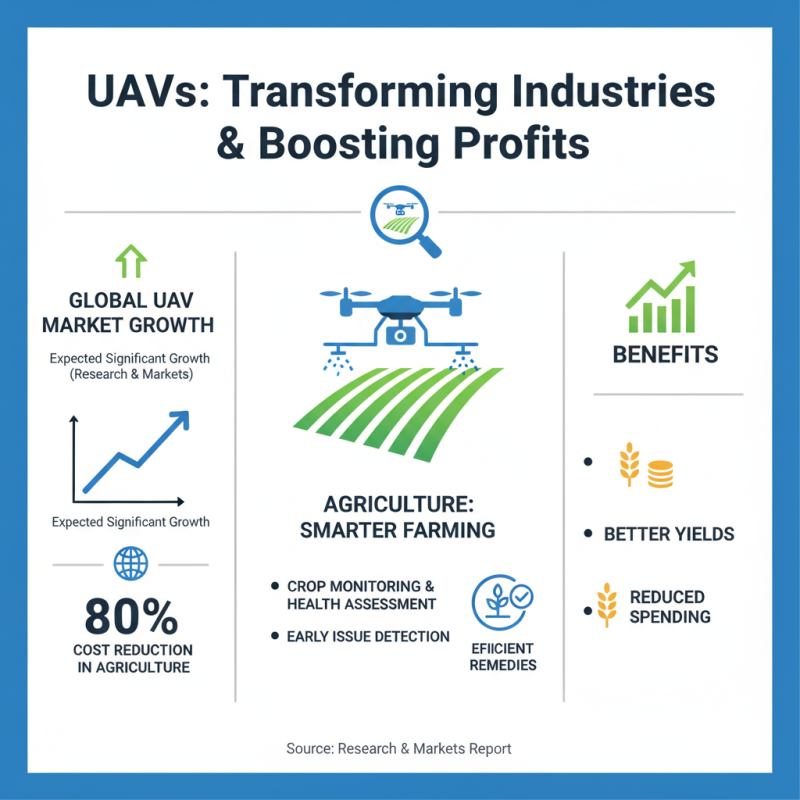
The cost-effectiveness of UAV operations has transformed various industries. A report from Research and Markets reveals that the global UAV market is expected to grow significantly. In agriculture, UAVs reduce costs by up to 80% for crop monitoring and health assessment. Farmers can identify issues early and apply remedies efficiently. This leads to better yields without excessive spending.
In construction, UAVs enhance safety and efficiency. They lower the expenses of surveying and site inspections by about 50%. A recent study showed that companies implementing UAV technology reported project timelines shortened by 30%. However, there are challenges. Training personnel to operate UAVs can be costly initially. Not all projects benefit equally from UAV use.
Even in logistics, UAVs are making waves. Costs are projected to decrease by 70% in last-mile delivery operations. Yet, regulatory hurdles remain a concern for some companies. To gain full benefits, firms must navigate varying laws and regulations. This may slow adoption, reminding stakeholders that new tech comes with both promises and pitfalls.
Versatility of UAV Applications Across Different Sectors
Unmanned Aerial Vehicles (UAVs) are transforming various sectors. Their versatility enables a wide range of applications.
In agriculture, UAVs survey vast fields quickly. They help monitor crop health and optimize irrigation. Farmers can collect real-time data, improving yields without excessive resources. Yet, there can be challenges. Weather conditions may limit UAV usage, impacting efficiency.
In construction, UAVs conduct site inspections from above. They provide accurate images and measurements. This data speeds up planning processes. However, navigating complex urban areas can be difficult. There’s often a need for skilled operators to maximize effectiveness. Without proper training, UAV deployment might lead to missed opportunities.
In emergency services, UAVs assist with search and rescue missions. They can reach areas unreachable by foot. Their ability to deliver supplies in critical situations is invaluable. Still, operators must be prepared for unexpected obstacles, such as changing terrain. As they continue to evolve, the real potential of UAVs is just beginning to unfold.
Improved Safety and Risk Reduction in Hazardous Environments
Unmanned Aerial Vehicles (UAVs) play a crucial role in enhancing safety. They can access hazardous environments without putting human lives at risk. For example, in disaster zones, UAVs can perform aerial surveys, gathering data from areas that are too dangerous for ground crews. This allows responders to plan their actions more effectively.
Moreover, UAVs help in monitoring dangerous industrial sites. They can detect gas leaks or chemical spills while keeping operators at a safe distance. This reduces the chance of accidents and enhances overall safety protocols. However, reliance on UAVs also raises questions. What happens when technology fails? If a UAV crashes, it could cause harm instead of preventing it. Thus, while UAVs offer significant benefits, their limitations must be acknowledged.
UAVs enhance operational efficiency but aren't foolproof. They cannot completely replace human expertise, especially in unpredictable situations. The technology has its flaws, and users must stay cautious. Balancing technology with human oversight is essential to maximize safety in hazardous environments.
Top 10 Advantages of Using UAV Unmanned Aerial Vehicles - Improved Safety and Risk Reduction in Hazardous Environments
| Advantage |
Description |
Impact on Safety |
Risk Reduction Level |
| Remote Inspection |
Allows monitoring of hazardous areas without human presence. |
High |
Significant |
| Search and Rescue Operations |
Utilizes UAVs to quickly locate missing persons in dangerous terrains. |
Very High |
Critical |
| Disaster Assessment |
Provides aerial views post-disaster for damage assessment. |
High |
Moderate |
| Infrastructure Inspection |
Inspects buildings, bridges, and other structures safely. |
High |
Substantial |
| Environmental Monitoring |
Monitors environmental conditions and hazardous spills. |
Medium |
Moderate |
| Traffic Monitoring |
Surveils traffic conditions to reduce accidents. |
High |
Significant |
| Event Surveillance |
Ensures safety at public events through aerial oversight. |
High |
Notable |
| Agricultural Monitoring |
Oversees crop health and pest issues without chemical exposure. |
Medium |
Moderate |
| Delivery of Emergency Supplies |
Quickly delivers supplies to inaccessible locations. |
Very High |
Critical |
| Training for Hazardous Situations |
Simulates dangerous conditions for training responders. |
High |
Significant |
Rapid Data Collection and Analysis Using UAV Technology
Unmanned Aerial Vehicles (UAVs) are revolutionizing data collection and analysis in various fields. Their ability to gather real-time information is unmatched. In agriculture, for example, UAVs can cover large areas quickly. A report from the International Journal of Remote Sensing indicates that UAVs can collect data 5 times faster than traditional methods. This rapid collection allows farmers to make timely decisions about crop health.
Moreover, UAV technology enhances the precision of data analysis. With high-resolution cameras, these drones can capture detailed images of the land below. According to a study by Deloitte, using UAVs for inspections can reduce costs by up to 30%. This data precision helps in identifying issues like pest infestations early. However, there are limitations. For instance, UAVs may struggle in bad weather conditions. This can lead to delays in data collection and analysis.
Moreover, data processing from UAVs may require advanced software. The learning curve can pose challenges for companies. Not everyone is equipped with the necessary skills. Adopting UAV technology comes with its hurdles. Yet, the benefits of rapid data acquisition often outweigh these challenges. Organizations must weigh these factors carefully to achieve optimal results.