2026 Top UAV Drone Models What to Expect?
The UAV drone market is rapidly evolving. As we look ahead to 2026, various models promise innovative features and enhanced performance. Companies aim to push the limits of flight capabilities. With advancements in technology, expect drones that are smarter and more efficient.
New sensors and AI integration will make UAV drones easier to operate. They could transform industries like agriculture and logistics. Enhanced navigation systems may improve safety and reliability. However, these changes come with challenges. Consumers must weigh cost versus functionality.
2026 will likely see an influx of consumer-focused drones too. These models may cater to hobbyists and professionals alike. Yet, the question remains: will the market keep pace with user expectations? Buyers need to prepare for a range of options, but not all will meet their needs effectively.
Overview of UAV Drones in 2026: Key Developments and Trends
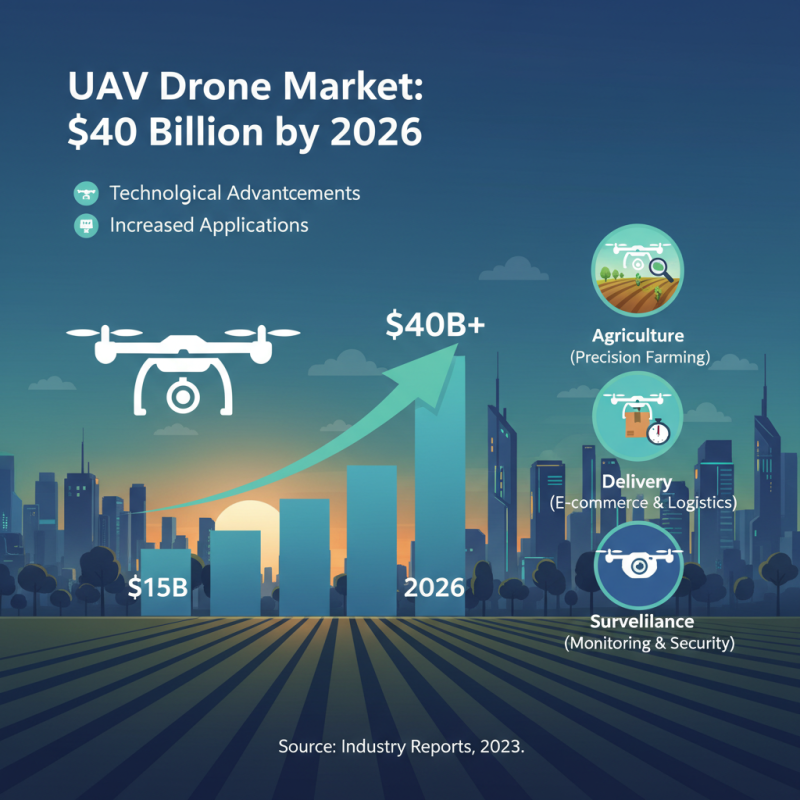
The UAV drone market is set for substantial growth by 2026. According to recent industry reports, the global UAV market is expected to reach over $40 billion. This surge comes from advancements in technology and increased applications across various sectors. The agriculture, delivery, and surveillance industries are particularly promising. Demand for precision agriculture tools is rising. Drones help farmers monitor crops efficiently.
Key developments will center on AI and improved battery life. Reports indicate that battery technology is expected to advance significantly, allowing drones to operate longer and further. This change is crucial for delivery services. Additionally, AI integration will enhance navigation and obstacle avoidance. However, regulatory challenges still exist. Balancing innovation with safety remains a concern. Ensuring drones do not disrupt public spaces is vital.
Moreover, privacy issues must be addressed. As drone usage increases, so do fears about surveillance. Many communities are voicing concerns. There is a need for clear regulations. The industry must remain transparent to build trust. Ultimately, while the potential is enormous, several hurdles must be overcome for smooth integration.
Innovative Features to Expect in Upcoming Drone Models
As we look toward 2026, the UAV drone market is evolving rapidly. Many upcoming models promise groundbreaking features that will enhance user experience. Expect increased battery life. Some drones may run for hours without needing a recharge. This is crucial for long-distance missions or detailed aerial surveys.
Another innovative aspect is the integration of AI technology. Drones will soon process data in real time. This can significantly improve navigation and obstacle avoidance. However, there are concerns about how well these systems will work in adverse conditions. Will they still operate effectively in heavy winds or storms?
Improved camera capabilities are also on the horizon. Expect higher resolutions and enhanced low-light performance. These improvements will allow for stunning photography and videography. Yet, one must consider how these advancements will affect storage needs and data management. The future of drones is exciting, but challenges remain.
Top Manufacturers Shaping the 2026 UAV Drone Market
The UAV drone market in 2026 promises significant advancements. Some manufacturers are leading the charge, focusing on innovation and efficiency. Enhanced battery life and payload capacity are hot topics. Improved navigation systems will also play a role. The excitement is palpable among enthusiasts and professionals alike.
As companies invest in research, competition grows. Challenges remain, such as regulatory hurdles and safety concerns. Unmanned vehicles must operate seamlessly alongside manned aviation. Some manufacturers push boundaries, but others lag behind. The balance between advancement and safety is delicate.
Details matter in this rapidly changing field. User feedback shapes designs, but sometimes it feels like voices go unheard. Many newer models struggle with user-friendliness. It's essential for manufacturers to listen closely to their customers. Engaging with users can drive better experiences and satisfaction. The evolution of UAV drones is not just about technology; it is about meeting people's needs effectively.
Regulatory Changes Impacting UAV Drone Technology by 2026
The landscape of UAV drone technology is shifting rapidly as regulatory changes emerge. By 2026, these regulations will define how drones operate in various sectors. Governments will establish clearer rules to ensure safety and privacy. New air traffic management systems are being developed to handle increased drone traffic. This transition is not without challenges, as companies must adapt to these evolving rules.
Many businesses are eager to harness drone technology for delivery, agriculture, and surveillance. However, compliance with regulations poses a significant hurdle. Companies may face delays in obtaining necessary permits. This can stifle innovation and hinder the growth of the drone industry. Moreover, smaller firms may struggle to meet regulatory requirements, limiting their ability to compete.
The need for public trust is a key factor in shaping future regulations. Drone operators must prove they can use these technologies responsibly. Concerns about safety and surveillance are prevalent. Striking a balance between innovation and regulation will require ongoing dialogue among stakeholders. As we approach 2026, the regulatory landscape will continue to play a pivotal role in the evolution of UAV drone models.
2026 Top UAV Drone Models: Market Growth and Regulatory Changes
This chart illustrates the projected growth of the UAV drone market from 2023 to 2026. As regulations evolve, we can expect significant increases in market size, highlighting the impact of regulatory changes on technology advancements in this field.
Future Applications of Drones in Various Industries
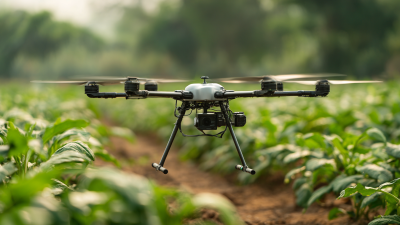
The future applications of drones are vast and varied. In agriculture, drones provide precision farming solutions. They can measure crop health, monitor water usage, and optimize fertilizer application. According to a recent industry report, the agricultural drone market is expected to exceed $1 billion by 2025. This growth is driven by the need for sustainable farming practices.
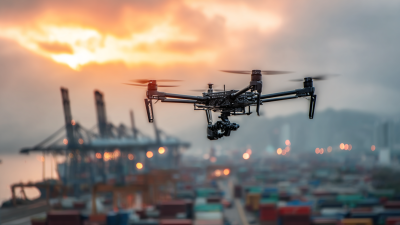
In logistics, drones are changing how goods are delivered. Companies are exploring drone deliveries for last-mile logistics. A study suggests that drone deliveries could reduce shipping costs by 15% by 2024. This transition is not without challenges. Regulatory hurdles and concerns over airspace safety need addressing.
Tip: When considering drone applications in business, conduct a cost-benefit analysis. Also, keep abreast of evolving regulations.
In urban planning, drones assist in mapping and data collection. They can survey areas quickly and capture detailed aerial imagery. However, privacy issues remain a significant concern. Establishing clear guidelines for drone usage is essential to address public apprehension.
Tip: Engage with local communities to build trust regarding drone usage in urban settings. This helps mitigate public concerns.