2026 Top Long Range FPV Drone Features Buyers Should Know?
As the drone industry continues to expand, the Long Range FPV Drone segment is gaining significant traction. According to a report by Drone Industry Insights, the market for long-range drones is projected to reach $12.4 billion by 2026, highlighting an increasing demand for advanced features and capabilities. This anticipated growth is driven by various sectors, such as agriculture, inspection, and recreational use, where extended range and enhanced features are crucial.
When selecting a Long Range FPV Drone, buyers must consider several technical aspects. Battery life, signal stability, and camera quality are paramount for optimal performance. For instance, drones equipped with high-capacity batteries can exceed flight times of 60 minutes, offering vast operational efficiency. However, not all models can deliver on these promises, often leaving users disappointed due to underwhelming performance.
In this evolving market, potential buyers should stay informed about the latest advancements. Each year, new technologies emerge, but not every feature will suit all users. Reflecting on customer feedback indicates that many drones fall short in user experience, despite impressive specifications. Understanding these nuances is essential for making an informed choice in this competitive landscape.
Key Specifications to Look for in Long Range FPV Drones
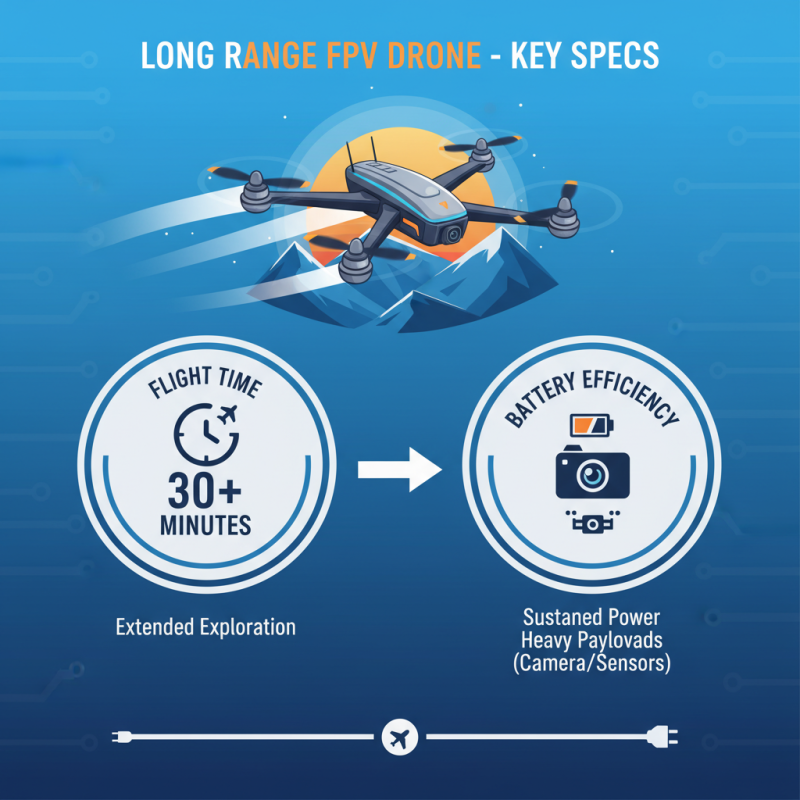
When considering long-range FPV drones, several key specifications are essential. One crucial feature is flight time. A drone with extended flight time allows for more exploration. Ideally, look for models that can fly at least 30 minutes on a single charge. In addition, battery efficiency is also vital. Drones should maintain power even while handling heavy payloads like cameras or sensors.
Another important factor is transmission range. A long-range video transmission system ensures you maintain a clear view from distances. Some drones can operate up to several kilometers away without signal loss. Additionally, robust GPS functionality is crucial. It enhances navigation and provides safety features such as return-to-home functions.
Also, consider the drone's build quality. Lightweight materials can improve range and speed, but durability matters too. A balance between weight and sturdiness is necessary for long flights. While many specifications seem impressive, some users report issues with responsiveness or control. Reflect on these aspects before making a decision. A well-informed choice leads to better flying experiences.
Battery Life and Flight Time Considerations for 2026 Drones
Battery life and flight time are critical factors for long-range FPV drones in 2026. Many users expect drones to fly longer before needing a charge. Recent industry reports indicate that drones in this category average around 30 to 45 minutes of flight time. However, this varies widely based on payload and weather conditions. A drone carrying a heavier payload may see its flight time reduced by as much as 20%.
Users often overlook battery technology innovations. LiPo (Lithium Polymer) batteries remain the standard, but new developments in solid-state batteries show promise. These batteries can increase energy density, potentially extending flight time by 50% compared to conventional LiPo batteries. However, they are not yet widely adopted due to production costs and reliability concerns.
Manufacturers need to balance battery size with overall drone weight. A larger battery offers longer flight times but can also make the drone less agile. Flight time efficiency is also affected by other factors, such as wind resistance and video transmission systems. The trade-offs can be frustrating for users trying to optimize performance. As technology evolves, both better batteries and smarter energy management systems should help alleviate these issues.
2026 Top Long Range FPV Drone Features Buyers Should Know
| Feature |
Description |
Average Battery Life (minutes) |
Flight Range (km) |
Payload Capacity (kg) |
| Battery Technology |
LiPo batteries with high energy density |
30 |
10 |
2 |
| Intelligent Flight Modes |
Includes Follow Me, Waypoint, and Orbit |
25 |
15 |
1.5 |
| Camera Quality |
4K Ultra HD with gimbal stabilization |
20 |
12 |
1 |
| GPS Accuracy |
RTK and GNSS for precision |
35 |
20 |
2.5 |
| Safety Features |
Obstacle avoidance and return-to-home |
40 |
18 |
3 |
Advanced Camera Features for High-Quality FPV Footage
In the realm of FPV (First Person View) drones, advanced camera features significantly elevate the quality of footage captured. An impressive 71% of drone enthusiasts consider camera quality as their top priority when selecting a drone. Key specifications, like sensor size and resolution, directly impact the clarity and detail of the images produced. A larger sensor, for instance, allows for better light collection, improving low-light performance. This is crucial for nighttime or indoor flying, where lighting can be challenging.
Furthermore, the integration of features such as 4K video and HDR (High Dynamic Range) is becoming standard in long-range FPV drones. Reports indicate that drones capable of 4K recording have seen a 45% increase in demand over the past two years. However, while high-resolution footage is desirable, it often requires substantial storage and processing power. Many users overlook this aspect, leading to potential frustrations during editing or playback.
Additionally, stabilization technology plays a vital role. Drones with advanced gimbal systems reduce footage shake, ensuring smoother visuals. It is essential to understand that even with top-tier stabilization, external factors like wind can still introduce challenges. Balancing technical capabilities with practical flying conditions remains an ongoing conversation in the drone community. As drone technology evolves, buyers should critically assess which camera features align with their specific needs and environments.
Importance of Durability and Build Quality in Long Range Drones
When considering a long-range FPV drone, durability and build quality are crucial. These drones often face challenging environments. Harsh winds and impacts can occur during flights. A sturdy design prevents damage and prolongs the drone's lifespan. Materials like carbon fiber or high-strength plastic can make a significant difference. Lightweight yet robust frames are ideal for navigating difficult conditions.
Investing in a durable drone can save you money. It's essential to weigh initial costs against long-term benefits. A well-constructed drone withstands wear and tear better. This resilience translates to fewer repairs, minimizing downtime and enhancing your flying experience. Often, it’s the overlooked details that matter. Check for sealing properties, which protect internal components from dust and moisture.
Consider these tips when evaluating build quality: Look for user reviews about durability. They can provide insight into real-world performance. Inspect the joints and attachment points where wear often starts. Ensure that propellers are secured firmly; loose ones can lead to crucial failures. Remember, even small issues can lead to larger problems during long flights.
Features of Long Range FPV Drones
Emerging Technologies Impacting Long Range FPV Drone Performance
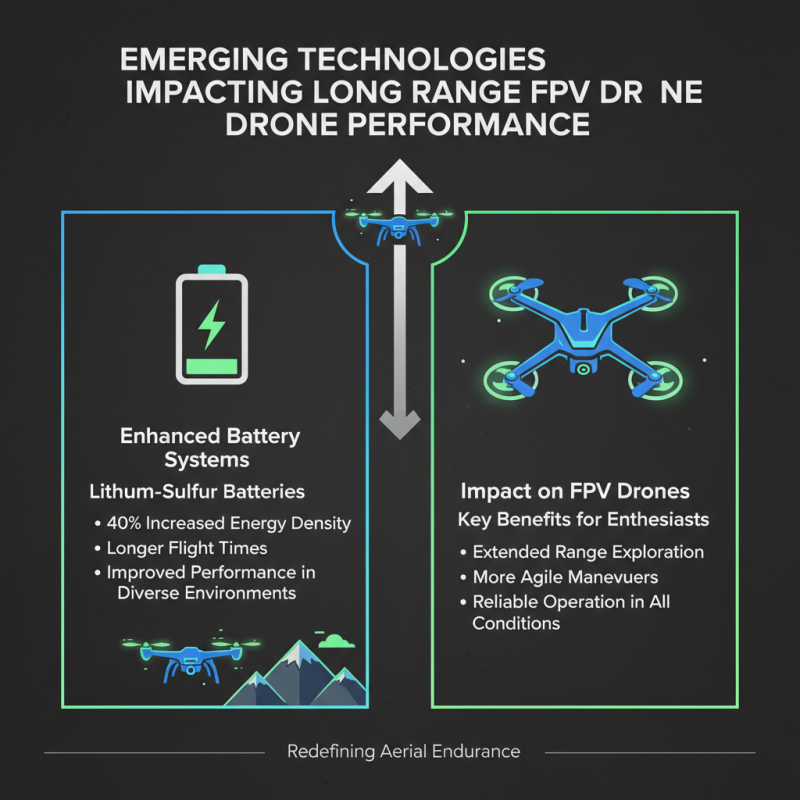
Emerging technologies are redefining the performance of long-range FPV drones. Enhanced battery systems, like lithium-sulfur batteries, promise significant improvements in flight time. Reports indicate that these batteries can increase energy density by 40%. As a result, drone enthusiasts can expect longer flights and improved performance in diverse environments.
Additionally, advancements in AI-driven navigation systems are gaining traction. These systems allow drones to optimize flight paths and adapt to real-time obstacles. Industry data highlights that AI integration can reduce collision rates by up to 30%. This gives users more confidence while flying in complex settings. However, it also raises concerns about reliance on technology. Trusting AI may lead to decreased pilot vigilance.
Furthermore, the integration of advanced materials, such as carbon fiber and lightweight composites, enhances durability. Drones built with these materials can endure harsh conditions. A recent market analysis shows that lightweight designs can improve speed by 15–20%. While these features are promising, they also invite questions about the balance of performance and stability. Such aspects must be carefully considered by buyers.