Leave Your Message

2026 Top Delta Wing Drone Innovations and Applications?

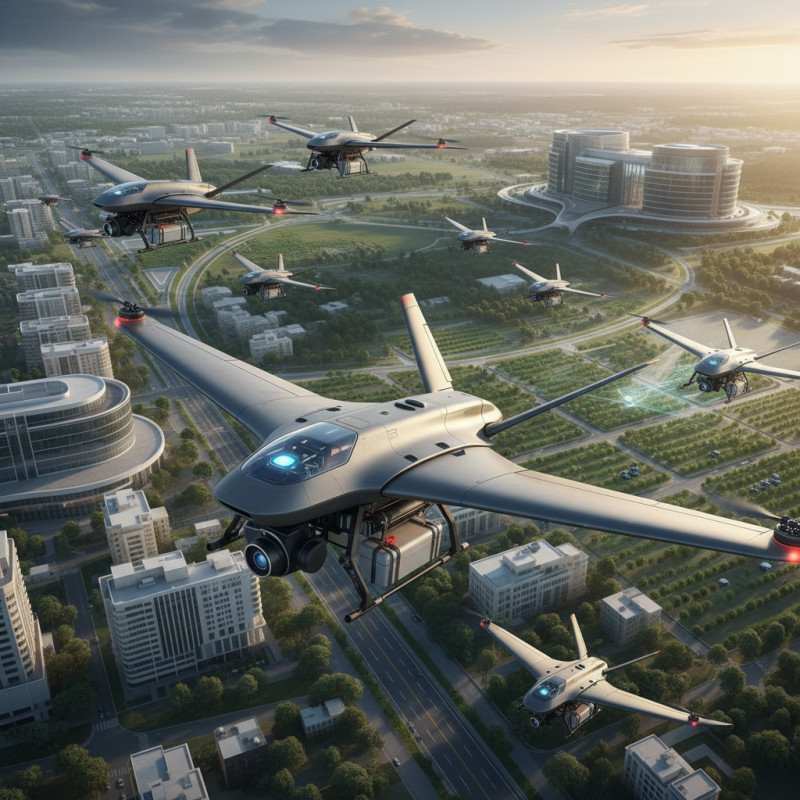
The advancements in Delta Wing Drone technology are captivating. These drones are changing how we approach various fields. In 2026, several innovations have emerged, creating new applications that were unimaginable just a few years ago.

Delta Wing Drones offer impressive features, including enhanced aerodynamics and increased payload capacity. Their unique shape allows for better maneuverability in tight spaces. This makes them suitable for tasks like search and rescue missions or agricultural monitoring. However, not all innovations have been smooth. Challenges remain in areas like battery life and real-time data processing.

As we explore the latest innovations, we must reflect on their implications. Are we using these drones ethically? Can they be trusted in sensitive environments? While Delta Wing Drones promise efficiency, we must remain cautious. Embracing these technologies requires a balance between innovation and responsibility.
2026 Top Delta Wing Drone Innovations and Applications?

Overview of Delta Wing Drone Design Principles

2026 Top Delta Wing Drone Innovations and Applications?

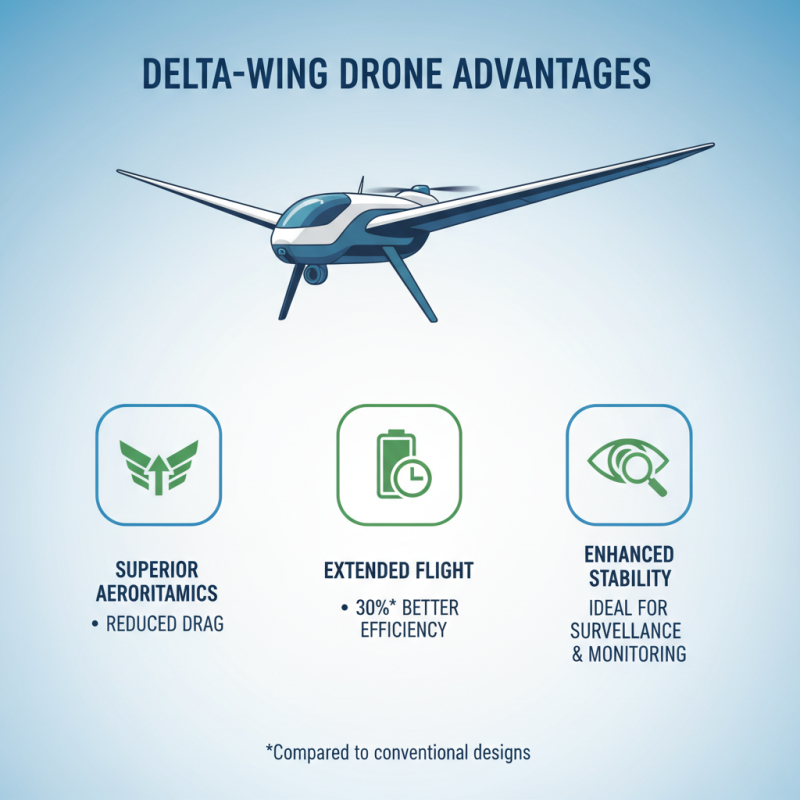
Delta wing drones are gaining attention in various sectors. Their unique design offers advantages in aerodynamics and stability. Unlike traditional drones, the delta wing shape significantly reduces drag. This enables longer flight times and greater energy efficiency. According to a recent industry report, delta wing drones can achieve up to 30% better fuel efficiency than conventional designs. This efficiency is crucial for applications such as surveillance and environmental monitoring.

The design principles of delta wing drones focus on the airfoil's shape and aspect ratio. The triangular wing configuration allows for high lift-to-drag ratios. Cadence Technologies reports that delta wing drones demonstrate improved maneuverability, especially at high speeds. However, the stability at lower speeds poses challenges. Fine-tuning the control systems can be complex, leading to unpredictable behavior under varying conditions.

One should consider the material selection for delta wing structures. Lightweight composites are ideal, but they can be cost-prohibitive. The trade-off between weight and durability is pivotal. As reported by Aerospace Innovation Forum, many developers are exploring hybrid materials for optimal performance. The rapid evolution in delta wing drone technology invites ongoing reflection on engineering choices and operational applications.
Key Innovations in Delta Wing Drone Technology for 2026

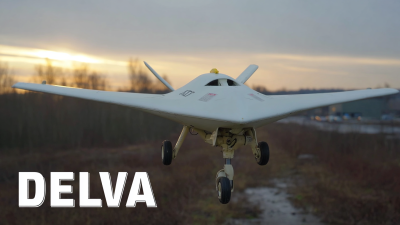
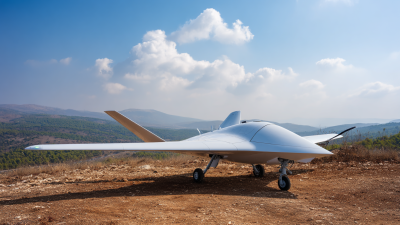
Delta wing drones are set to revolutionize the skies in 2026. These innovative designs offer improved aerodynamics for enhanced performance. With a flat triangular shape, they glide through the air efficiently. This efficiency means longer flight times and lower energy consumption. Who doesn't want that?

Key innovations include advanced materials that reduce weight. Some prototypes incorporate smart sensors for better navigation. These sensors can detect obstacles and adjust flight paths autonomously. Imagine drones that can see and react in real time. It's fascinating but raises questions about reliability. Are we over-relying on technology?

Applications are vast, ranging from agriculture to emergency response. Farmers can monitor crops efficiently. In disaster scenarios, these drones can assess damage quickly. There’s a tangible benefit to these innovations. Yet, we must consider privacy implications. As they gather data, how do we ensure it’s handled responsibly? Balancing innovation with ethical concerns will be crucial as we move forward.

Applications of Delta Wing Drones in Various Industries

Delta wing drones are transforming several industries with their unique design and capabilities. These drones have a triangular shape that allows for increased stability and maneuverability. In agriculture, delta wing drones are revolutionizing crop monitoring. They can cover large fields quickly and gather real-time data. This information helps farmers detect issues with crops early.

In the field of logistics, delta wing drones show promise for package delivery. Their aerodynamic structure allows for efficient flight over long distances. However, the technology still faces challenges, such as navigating urban environments. Safety remains a critical concern as these drones become more prevalent. Many industries are excited about potential uses but must also address regulatory hurdles.

The film and photography sectors benefit from delta wing drones for capturing stunning aerial footage. Their ability to glide smoothly enhances the quality of visuals. Still, operators must learn to manage these drones effectively to ensure stable shots. In conclusion, delta wing drones present exciting possibilities across various industries while also requiring careful consideration of their limitations.

Assessment of Delta Wing Drone Performance and Capabilities

2026 Top Delta Wing Drone Innovations and Applications?

Delta wing drones have gained attention for their unique design and performance capabilities. Their aerodynamic shape allows for efficient flight, especially at higher speeds. These drones often exhibit stability, making them suitable for various applications. They can cover vast areas quickly, which is critical for tasks such as surveillance and agriculture.

Testing their flight performance reveals both strengths and weaknesses. While they handle turbulence well, their maneuverability can be limited compared to other designs. Pilots need practice to master their controls, particularly in tight spaces. The ability to carry payloads varies significantly. Some models excel in transporting equipment, while others struggle. Understanding these nuances is vital for users.

The real question lies in their adaptability. Delta wing designs must evolve to meet specific needs. In many cases, innovations aim to enhance their intelligence and autonomy. However, the challenge remains: how to balance performance with ease of use. Users often express concerns about their complexity. There is much room for improvement in user interfaces and control systems. All these factors contribute to the ongoing conversation about the future of delta wing drones.

Future Trends in Delta Wing Drone Development and Research

Delta wing drones are revolutionizing various sectors. Their unique shape allows for better aerodynamics and efficiency. In future developments, engineers will prioritize energy conservation and enhanced control systems. This focus will lead to breakthroughs in flight duration and payload capacity.

When considering new delta wing designs, keep weight in mind. Lighter materials can improve performance but may compromise durability. Balancing these aspects is crucial. Experimenting with design can lead to unexpected insights. Testing prototypes often reveals flaws or areas for improvement. Iteration is key.

Future trends indicate rising interest in autonomous flight. Urban air mobility is on the horizon. Delta wing drones can navigate complex environments effectively. However, challenges remain. Safety protocols must evolve. Developers should not overlook regulations and community concerns. Engaging with local stakeholders fosters trust and encourages collaboration. This will facilitate the integration of delta wing drones into everyday life.

2026 Top Delta Wing Drone Innovations and Applications

Innovation/Application Description Technological Features Potential Industry Impact
Autonomous Flight Systems Advanced navigation and control enabling fully autonomous missions. GPS-denied navigation, AI-driven obstacle avoidance. Increased efficiency in logistics and surveillance.
Hybrid Propulsion Systems Combination of electric and thermal propulsion for better range. Energy-efficient design, reduced carbon footprint. Sustainable aerial transport and monitoring solutions.
Advanced Material Use Utilizing lightweight, durable materials for drone construction. Carbon fiber, bio-composite materials for structural integrity. Enhanced performance and longer flight duration.
Swarm Technology Collaboration of multiple drones for coordinated tasks. Real-time data sharing, distributed decision making. Revolutionizing search and rescue operations.
Enhanced Sensor Integration Integration of advanced sensors for data collection and analysis. LiDAR, HD cameras, multi-spectral imaging. Improved precision in agriculture, environmental monitoring.